Guatemala: Coffee, Ritual, and the Space Between
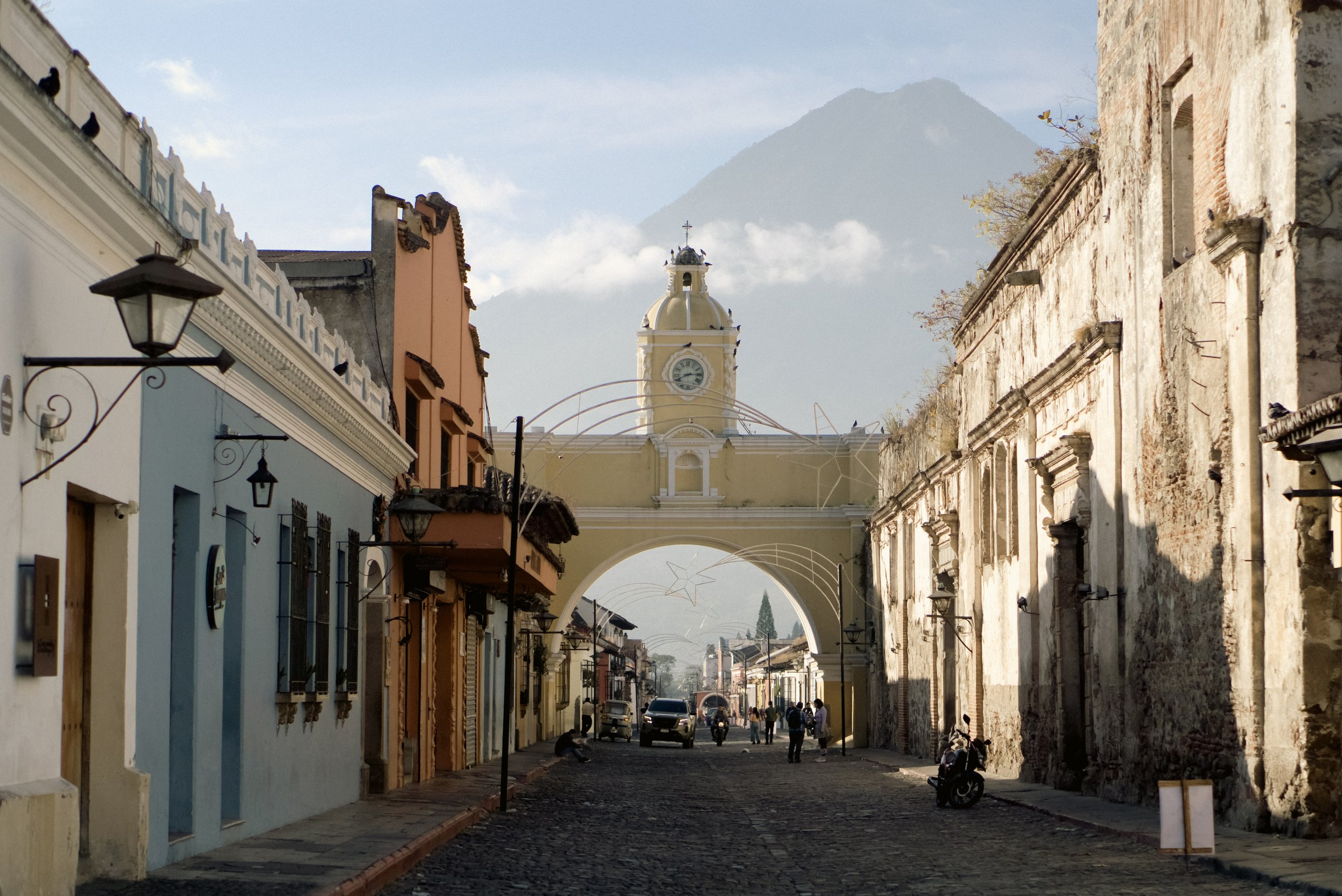
Arco de Santa Catalina - Antigua, Guatemala
We arrived in Guatemala on December 21st.
A short six-hour flight was all it took to land somewhere that felt like another world — and considerably warmer than the Bay Area. The kind of warmth that hits you before you’ve even found the baggage claim.
Guatemala City airport is hectic in the best and worst ways. People offering rides, tours, help with bags — all delivered with confidence.
“Yeah… I think I’ll wait for the one we booked,” I say, waving off a guy dragging on his cigarette who looked far too relaxed to be trusted with our luggage.
Destination: Antigua.
The traffic there is something to be remembered, especially this time of year when everyone seems to be heading in the same direction. It crawls. It stalls. You learn patience fast.
Antigua is deeply religious and intensely historic. It’s a major pilgrimage and festival hub, most famously during Semana Santa, when sawdust carpets, incense, and processions take over the streets.
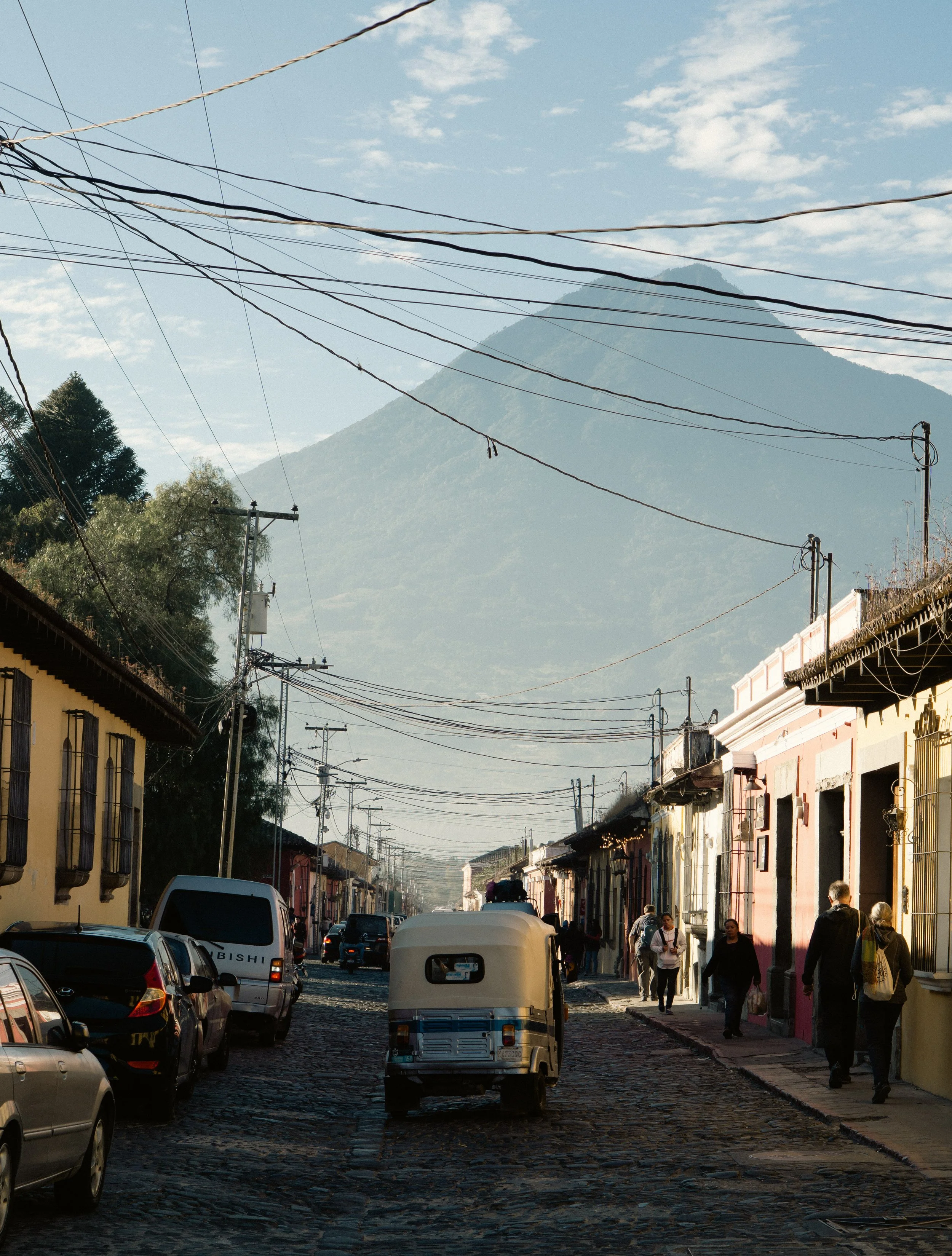
But looming over everything — always — are the volcanoes.
Volcán de Agua, Volcán de Fuego, and Acatenango sit on the horizon, ever present, shaping the city’s past and its psychology. Antigua has been destroyed and rebuilt multiple times, most notably after devastating earthquakes in the 18th century, which ultimately led to the capital being relocated to Guatemala City. Volcanic eruptions, ash fall, and seismic instability have always been part of life here — reminders that the city exists by grace, not permanence.
You feel it walking the streets.
When you arrive, the history doesn’t feel preserved — it feels present.
Cobbled streets.
Colonial buildings.
Churches layered with centuries of belief and routine.
It never left.
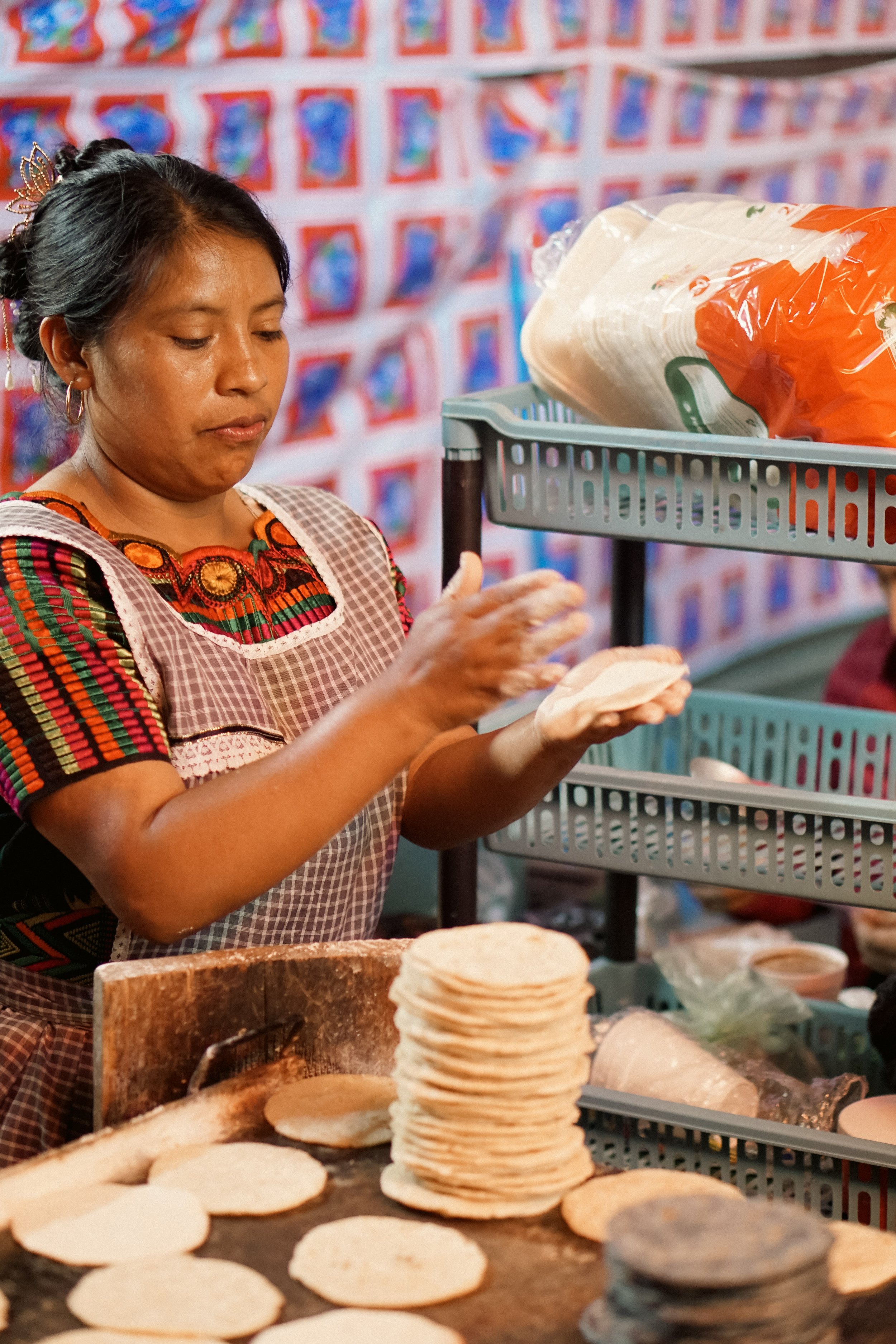
Food-wise, Mayan cuisine was interesting and educational, though often restrained. Not bland — just subtle. You start to understand how much of the flavor here comes from process rather than excess.
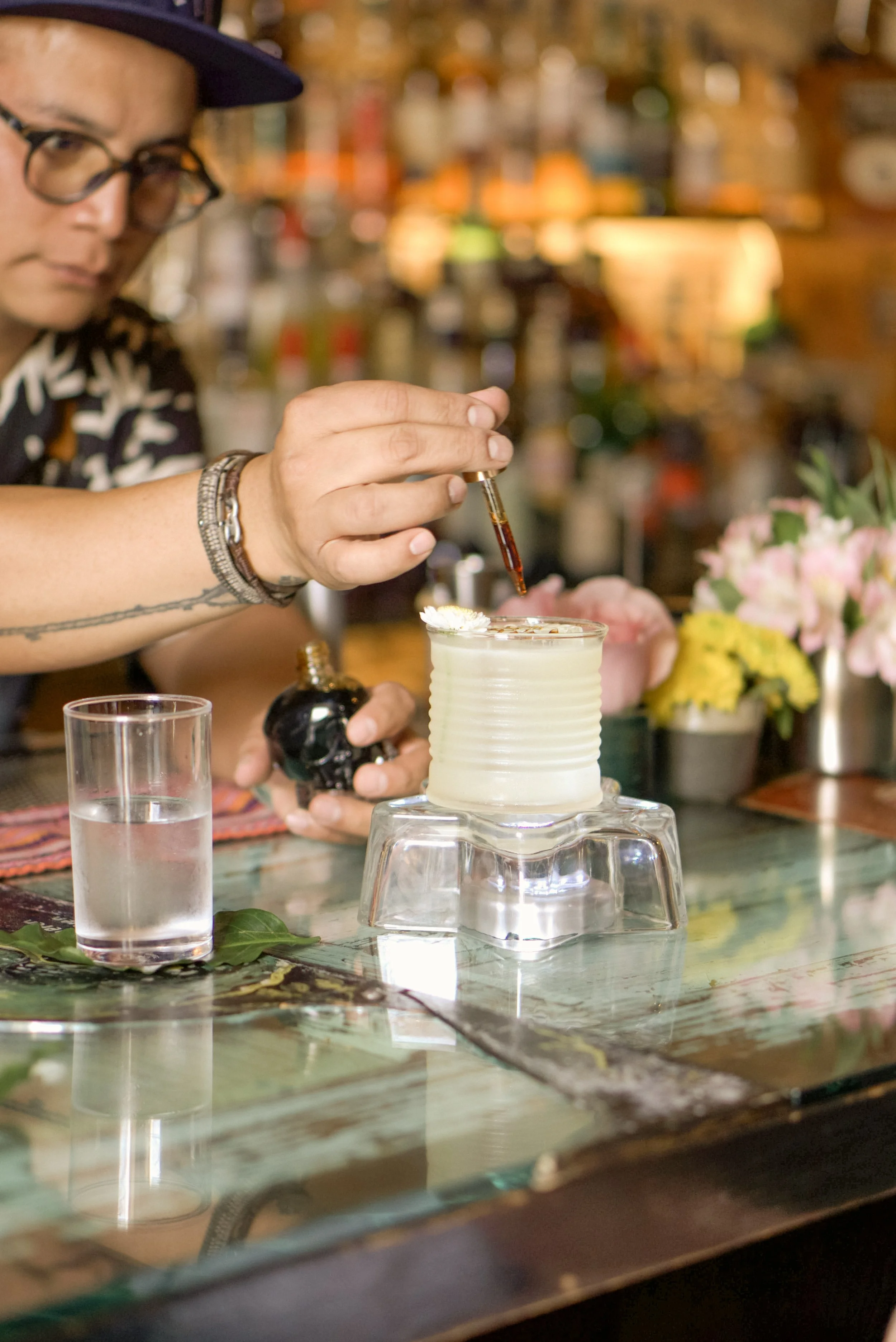
Beer, as always around the world, was solid. I’ve never been to a country and said, “The beer here is terrible.”
Christmas, however, is another story.
For reasons I still don’t fully understand, they — much like northern Mexico — absolutely love blowing shit up to celebrate. Fireworks, explosions, bangs far too close to be festive. Don’t expect much sleep.
We didn’t get much anyway — courtesy of a couple who had very obviously just met, separated from us only by paper-thin walls, and apparently determined to make Christmas Eve unforgettable for everyone in the building.
Fire, Steam, and Letting Go (Earth Lodge Temazcal)
While based in Antigua, we took a short trip — about a 15-minute drive — out to Earth Lodge, tucked into the hills just beyond town.
They offer a traditional Temazcal sauna, a Mesoamerican steam ritual practiced for centuries. This wasn’t a spa experience. It was heat, stone, steam, and intention.
Inside the low earthen dome, an older Mayan woman — the temazcalera — poured herbal infusions over hot volcanic stones. The steam thickened. The air changed. At some point, she began lightly striking me with bundled twigs, chanting in Mayan, telling me I needed to release something.
She wasn’t wrong.
Whatever it was, though, it wasn’t coming out on command.
You leave drenched, slightly disoriented, and oddly reset — less relaxed, more grounded.
If you’re near Antigua and want something genuinely rooted in place, this is worth seeking out:
https://earthlodgeguatemala.com/wellness/temazcal-sauna/
Coffee Instead of Wine: DLG Coffee
While in Antigua, we spent the better part of a day at DLG Coffee, a family-run coffee operation just outside the city that offers one of the most comprehensive coffee tours we’ve experienced anywhere.
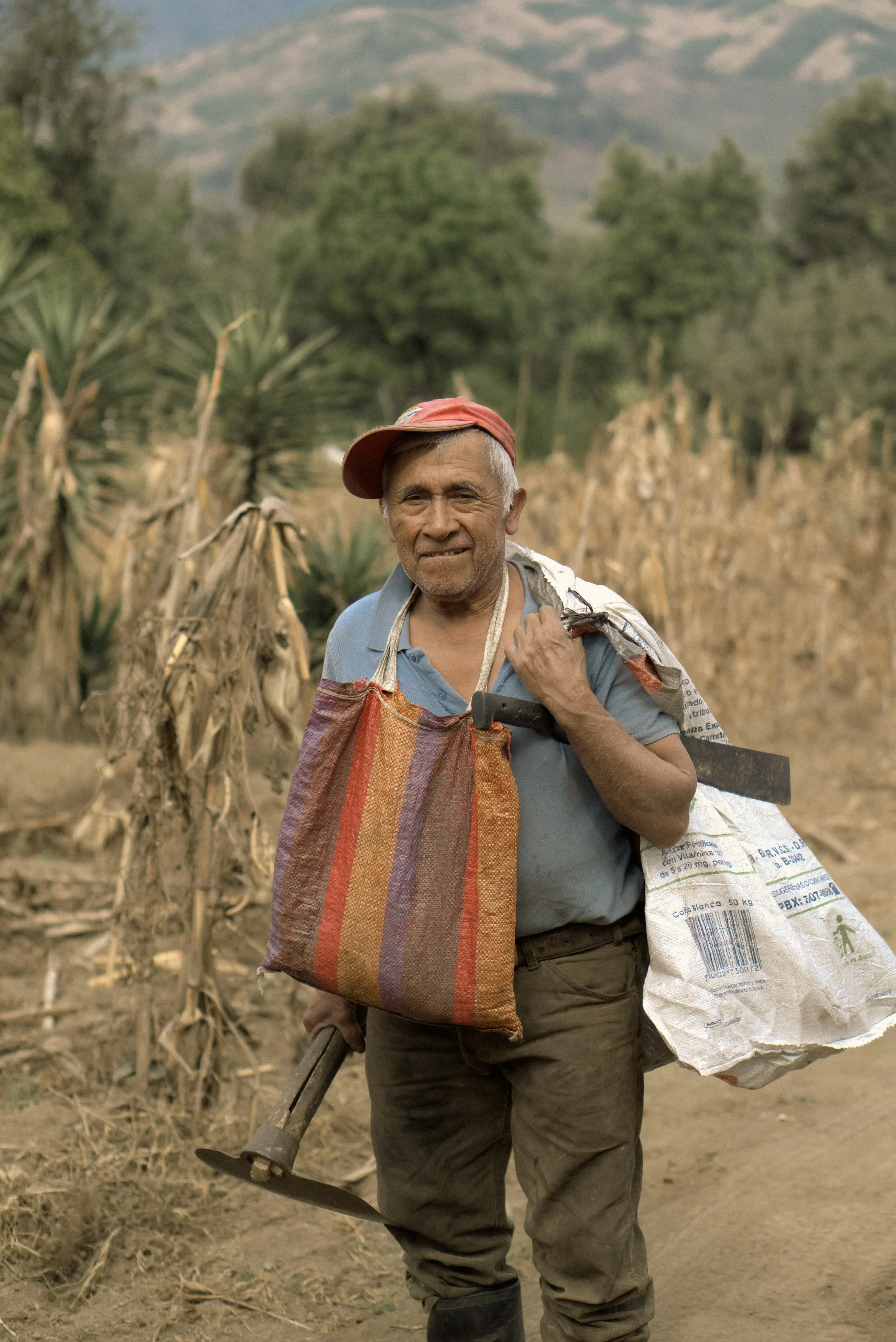
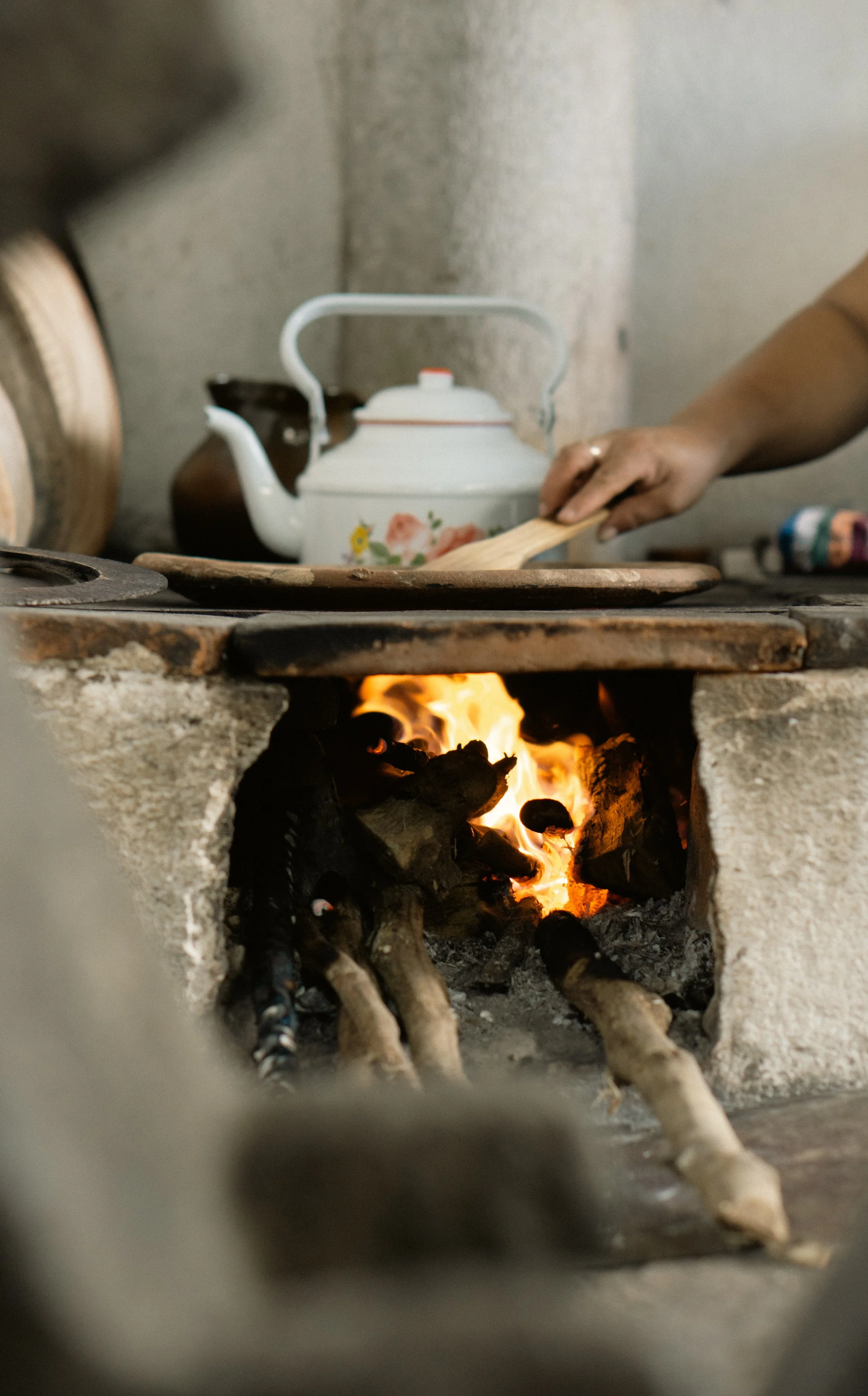
This wasn’t a quick walk-through or a tasting dressed up as education. The tour runs four to six hours, taking you through the entire lifecycle of coffee — from plant material and cultivation, through harvesting, processing, drying, roasting, and finally brewing.
What stood out most was the emphasis on traditional methods alongside practical, modern understanding. You see coffee as an agricultural product first, not a lifestyle brand. Fermentation, drying times, and roasting choices are discussed openly, in ways that feel familiar if you come from wine or any other fermentation-driven craft.
It’s the kind of experience that resets how you think about coffee — not as a daily habit, but as something deeply tied to land, labor, and patience.
Wine was nowhere to be found.
But fermentation was very much alive.
If you’re in or around Antigua and want to understand why Guatemalan coffee is held in such high regard, this tour is genuinely worth the time:
https://www.dlgcoffee.org/coffee-tour
Guatemala’s Coffee Story: Land, Labor, and Uncertainty
Coffee in Guatemala isn’t a side note — it’s foundational. The industry dates back to the mid-19th century, when coffee was introduced as a commercial crop and quickly became one of the country’s primary exports. Volcanic soils, high elevations, and distinct microclimates allowed coffee to flourish, particularly in regions like Antigua, Huehuetenango, Atitlán, and Cobán.
Guatemala built its reputation on quality over volume. High-altitude growing conditions slow cherry maturation, developing complexity and acidity in much the same way cool-climate viticulture does. The parallels to wine are hard to miss — site matters, elevation matters, and small decisions compound over time.
The dominant varieties planted today are largely Arabica, with Bourbon still widely grown. In response to disease pressure — particularly coffee leaf rust (la roya) — newer, more resilient hybrids like Anacafé 14, Sarchimor, and Catimor have been introduced, though often at the expense of some cup character. It’s a tension familiar to anyone farming for quality in a changing climate.
And the challenges moving forward are real.
Climate volatility has made harvest timing less predictable. Warmer temperatures at lower elevations are pushing viable coffee production higher up the slopes, while extreme rain events and prolonged dry periods threaten consistency. Labor shortages are growing as younger generations leave rural farming communities in search of more stable work, and global coffee pricing often fails to reflect the true cost of producing high-quality beans.
Despite this, what stood out during our time there was resilience.
Coffee here is still treated as an agricultural craft, not a commodity abstraction. Fermentation times are discussed. Drying methods matter. Roasting is approached with restraint rather than branding theatrics. It feels closer to old-world farming than modern food marketing — and that’s exactly why it resonates.
Wine may have been absent in Guatemala, but the lessons weren’t.
Lake Atitlán: Atmosphere Over Agenda
From there, we headed to Lake Atitlán — and if Antigua is history, Atitlán is atmosphere.
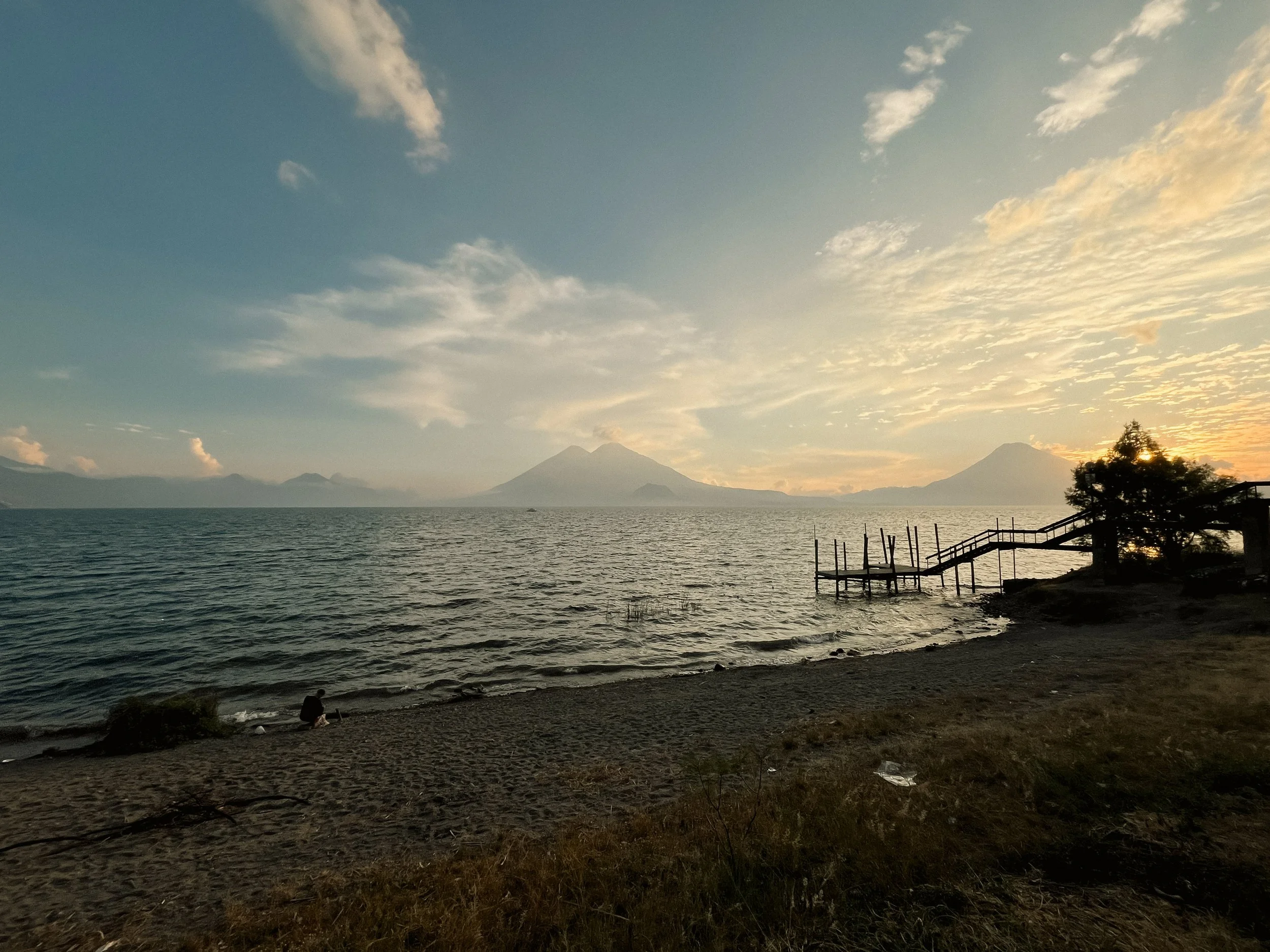
Lake Atitlán - Guatemala
Markets. Calm energy. Slow mornings. Boats linking lake towns like a loose floating network.
One of those towns — San Marcos La Laguna — was full of expat hippies and somehow housed one of the best cafés we’d visited since arriving. Sitting there listening to American expats discuss the esoteric, it felt like a strange convergence of yoga retreat, digital nomad hub, spiritual awakening seminar, and an OnlyFans conference.
We stayed at a homestay near the lake and met fellow travelers — Zak, an artist based out of New York City, and a Russian woman who carried the quiet intensity of someone escaping something.
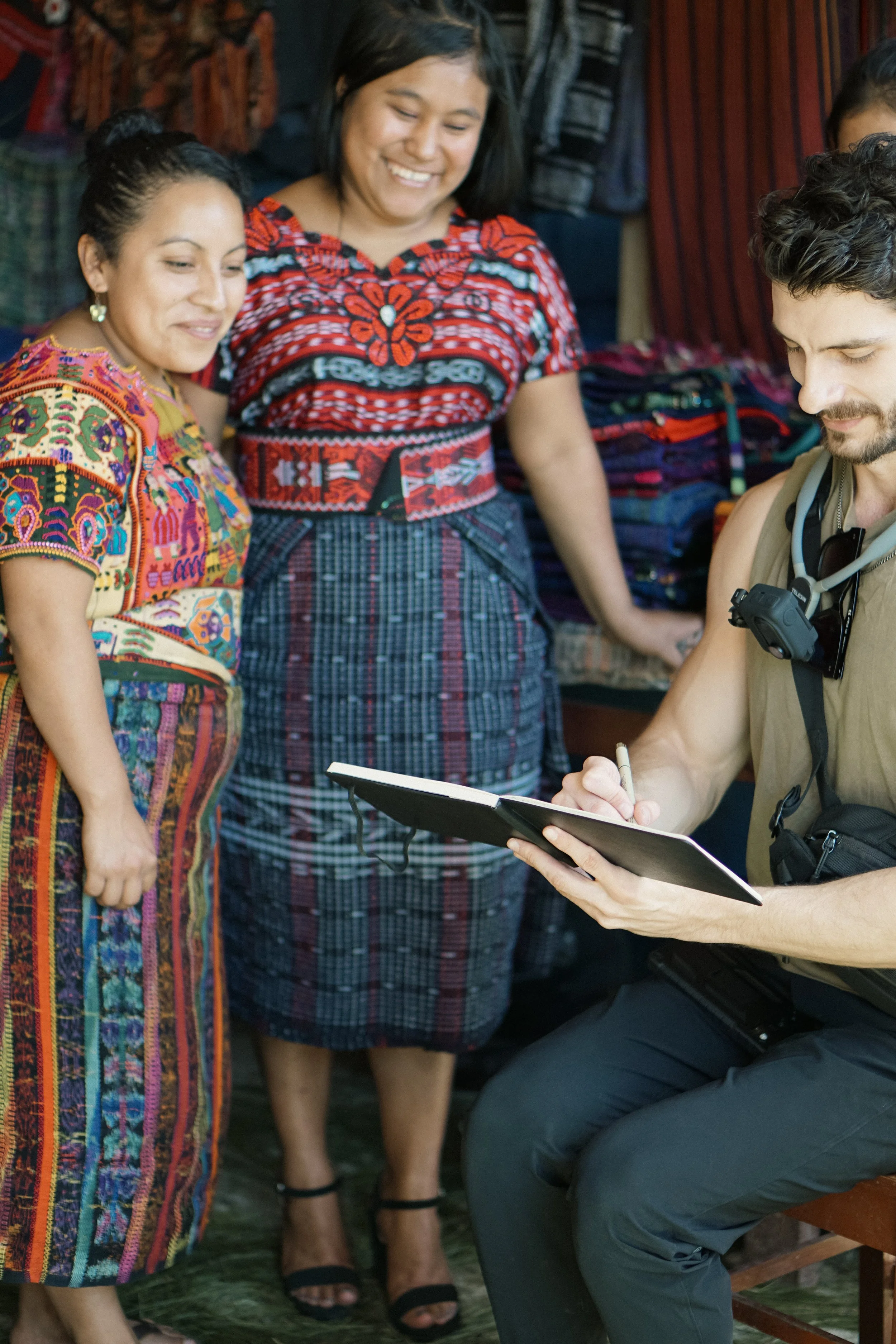
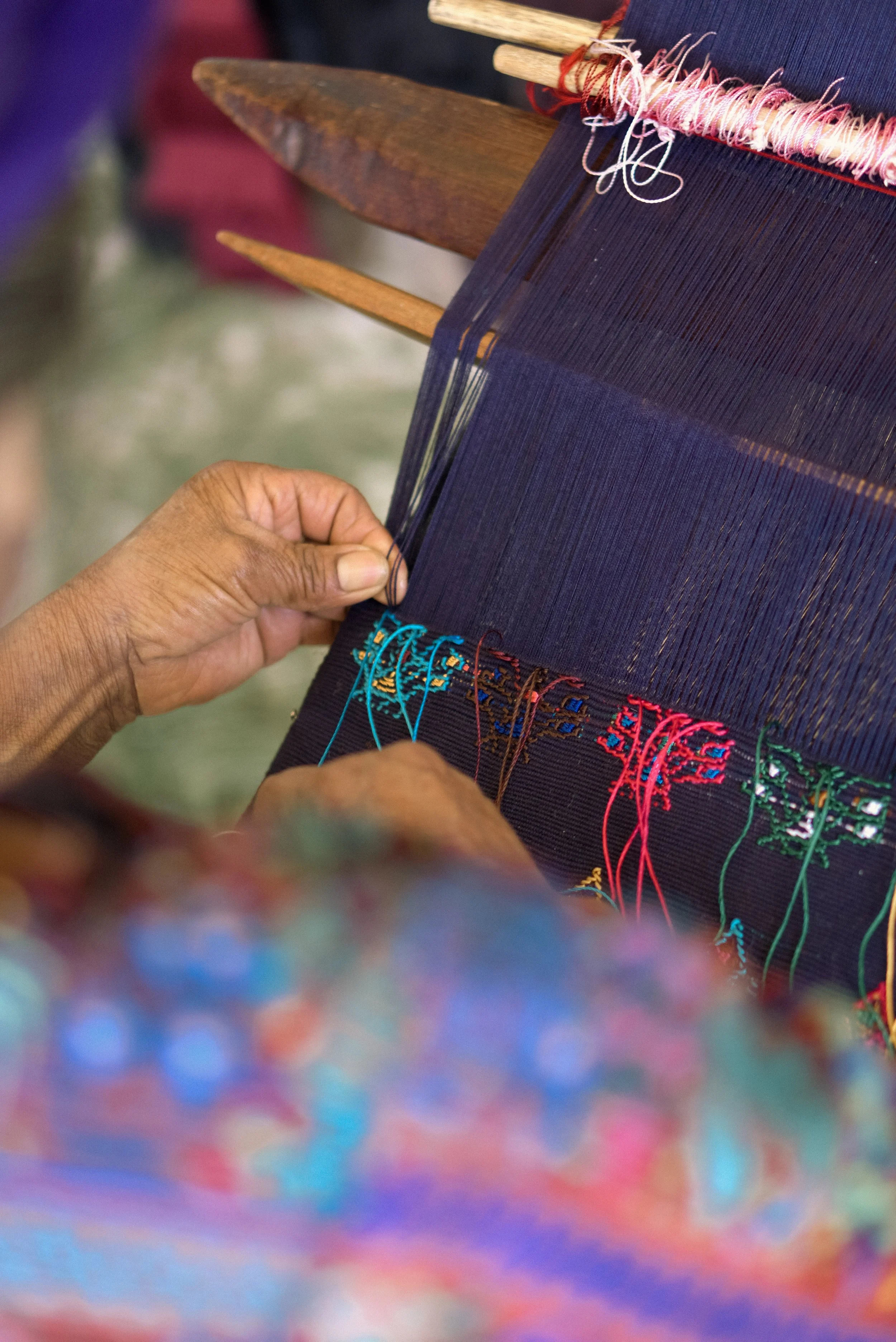
Evening walks along the lakeside after dinner became ritual.
The food was diverse.
The pace was right.
And the coffee? Always incredible.
Chaos, Color, and Chichicastenango
Our final major stop was Chichicastenango — about a two-hour bus ride that I spent feeling sick as a dog — only to be dropped straight into one of the largest open-air markets in the world.
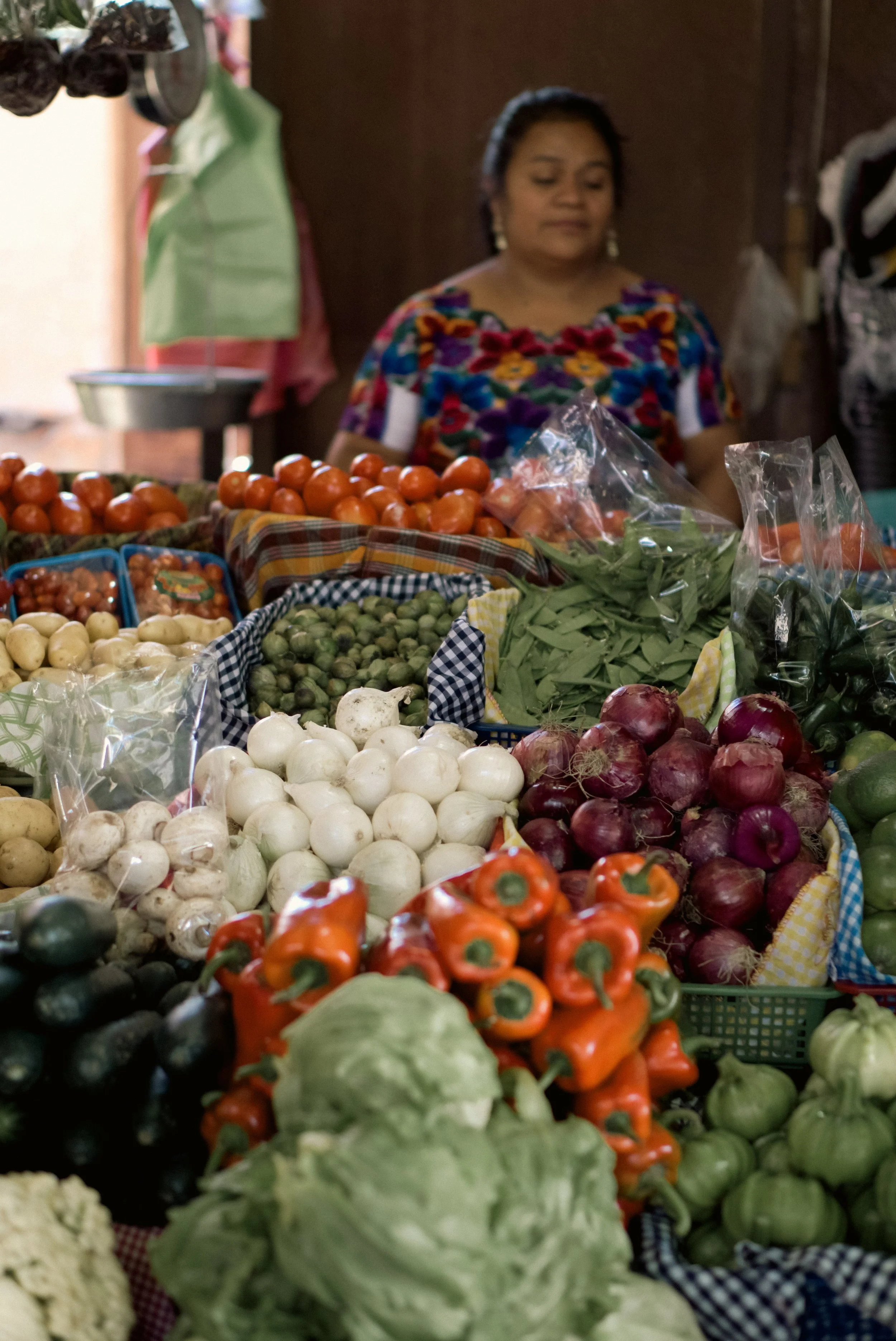
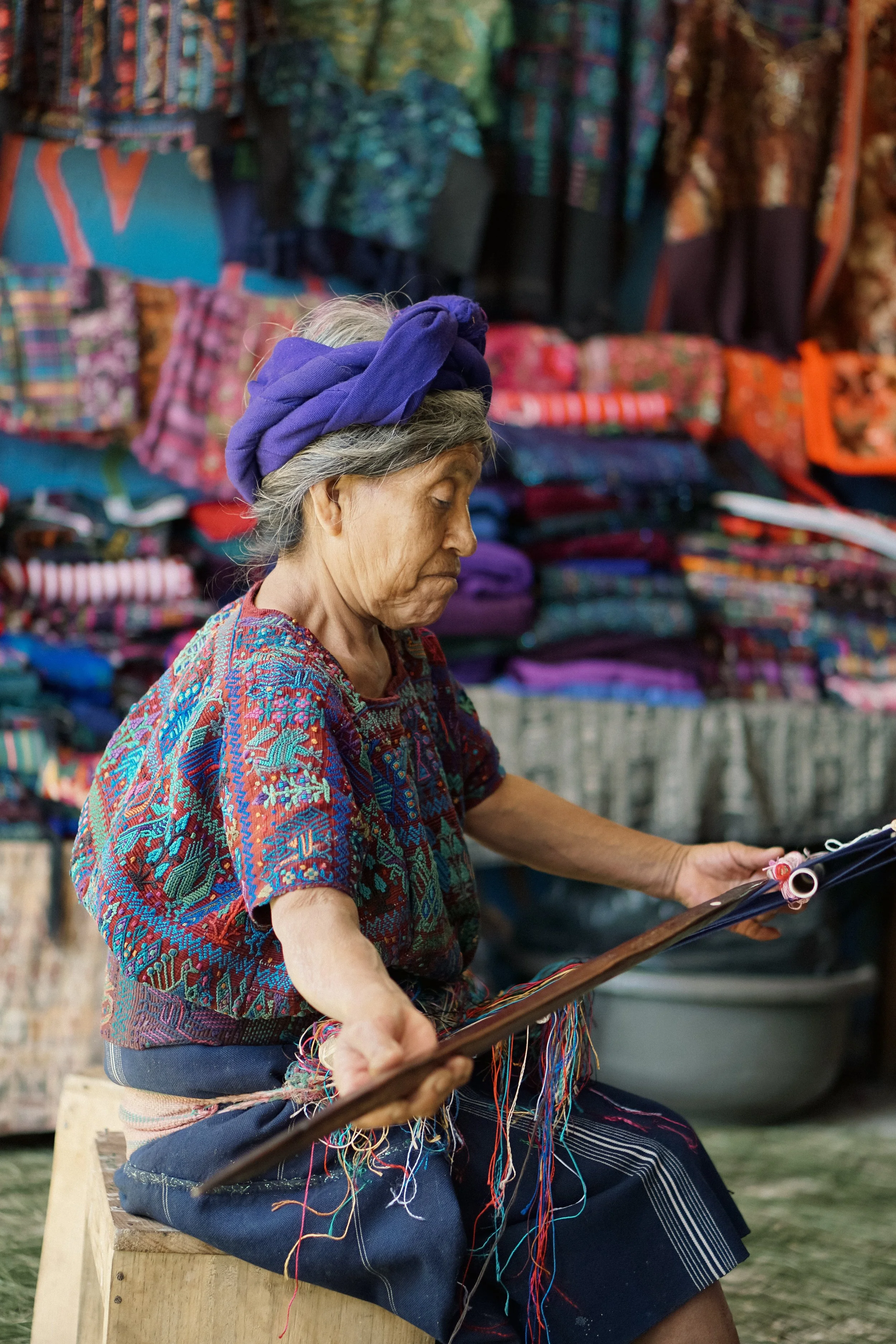
Absolute chaos.
People everywhere. Stalls on top of stalls. And strangely, everyone selling more or less the same things, which makes you wonder how anyone actually makes money. But the hand-woven textiles — clothing, rugs, blankets — are genuinely incredible and well worth bringing home if you want something that carries real place with it.
Final Notes
Guatemala was one of the best travel experiences we’ve had in recent years.
Coffee, ritual, noise, and a pace that reminds you there are many ways to live well.
