Organic & Biodynamic: When Farming Becomes a Marketing Language
At what point does “organic” stop being a philosophy and start being positioning?
Organic and biodynamic farming didn’t begin as marketing terms.
They emerged as responses — philosophical, agricultural, even spiritual — to the industrialization of food and farming. A way of saying: there is another path.
Somewhere along the way, those words became shorthand.
Not explanations.
Not conversations.
Badges.
And when that happens, the language tends to evolve faster than the farming.
Certification as shorthand — not the full truth
To consumers, “organic” and “biodynamic” now operate as compression tools. They reduce complexity into a single signal: this is good, this is ethical, this is better.
But farming is not binary. It never has been.
Certification systems — regardless of country — are administrative frameworks, not philosophies. They define what is allowed, not what is ideal. They measure compliance, not intention. And they don’t capture the thousands of decisions made between budbreak and harvest.
That nuance is rarely reflected in marketing.
Case study one: the copper problem no one loves to talk about
Copper-based fungicides remain one of the most relied-upon tools in organic viticulture, particularly in regions with high disease pressure. Their effectiveness against downy and powdery mildew is undeniable.
So are their long-term consequences.
Copper does not degrade. It accumulates.
Decades of peer-reviewed research show that repeated copper applications lead to elevated soil concentrations that:
reduce microbial biomass and diversity
suppress beneficial mycorrhizal fungi
impair earthworm populations
disrupt enzymatic activity critical to nutrient cycling
Long-established organic vineyards frequently exceed ecological toxicity thresholds while remaining fully compliant with certification rules.
This isn’t fringe science. It’s well documented — to the point that the European Union has repeatedly reduced allowable copper limits in organic farming. Even so, accumulation remains unresolved.
And yet, copper persists not because it is environmentally neutral, but because there is no fully effective organic substitute under current rules.
Which creates an uncomfortable paradox:
systems marketed as soil-regenerative often rely on a persistent heavy metal to survive.
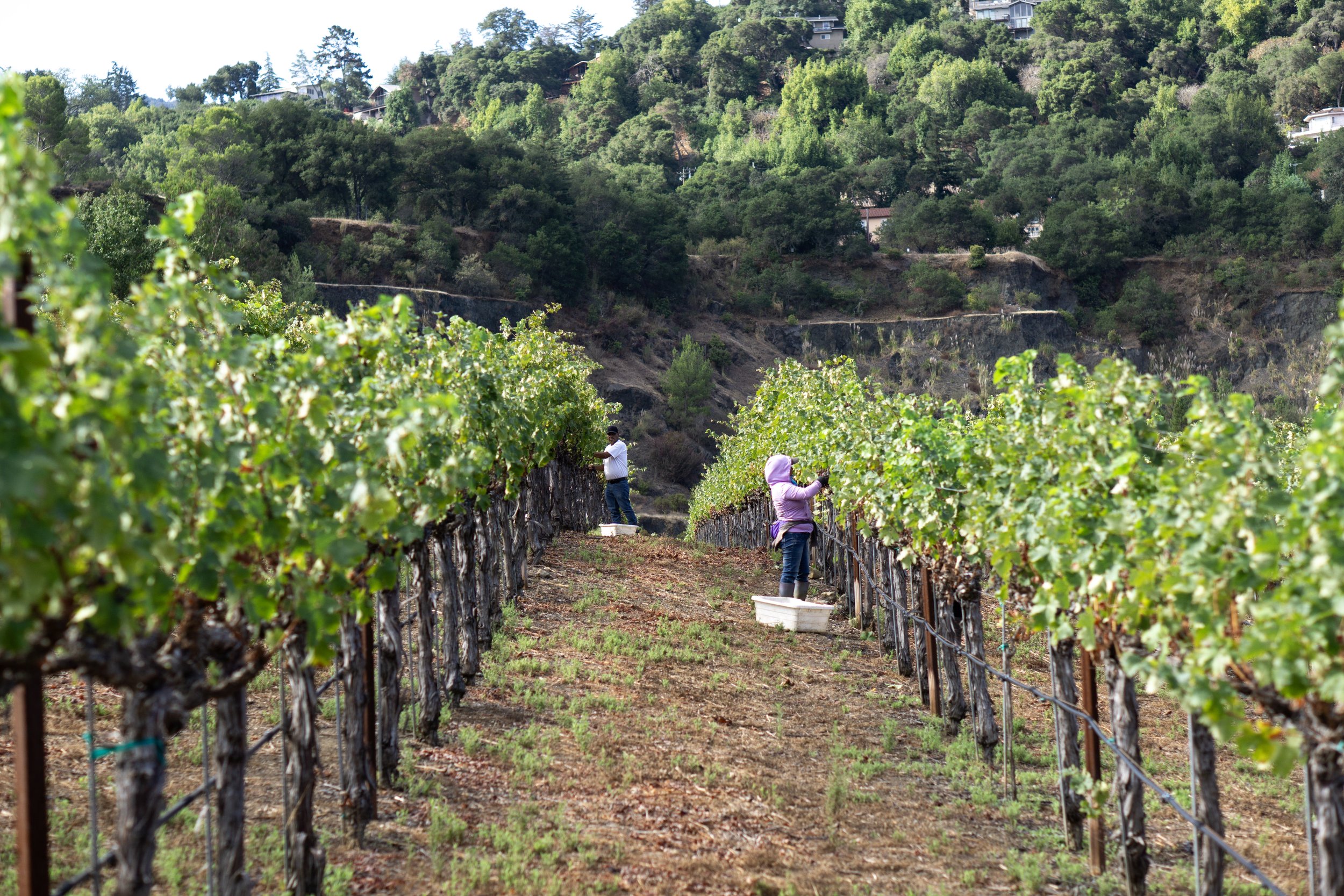
Santa Cruz Mountains, California
Case study two: when “natural” becomes industrial
Another contradiction emerges when natural origin is confused with low impact.
While working in an organic-certified vineyard in New Zealand, we moved away from glyphosate in favor of a weed control product derived from concentrated pine resin — marketed as a natural, organic alternative.
In practice, it was anything but gentle.
The product worked by aggressively disrupting plant tissue on contact. It required full protective equipment, strict handling protocols, and careful application conditions. Despite this, two vineyard staff members were hospitalized following exposure.
This wasn’t misuse.
It was chemistry doing exactly what it was designed to do.
Pine-derived compounds are well documented as respiratory irritants and corrosive at high concentrations. When aerosolized, they pose serious inhalation risks — a fact clearly stated in safety data sheets, but rarely reflected in marketing language.
Calling a product “organic” because it originated from a tree does not make it inherently safer, more ethical, or more sustainable than a tightly controlled, low-dose synthetic alternative.
Concentrating a natural substance into an industrial-strength input — then framing it as environmentally virtuous — reveals one of the central contradictions of modern organic agriculture: origin is often prioritized over impact.
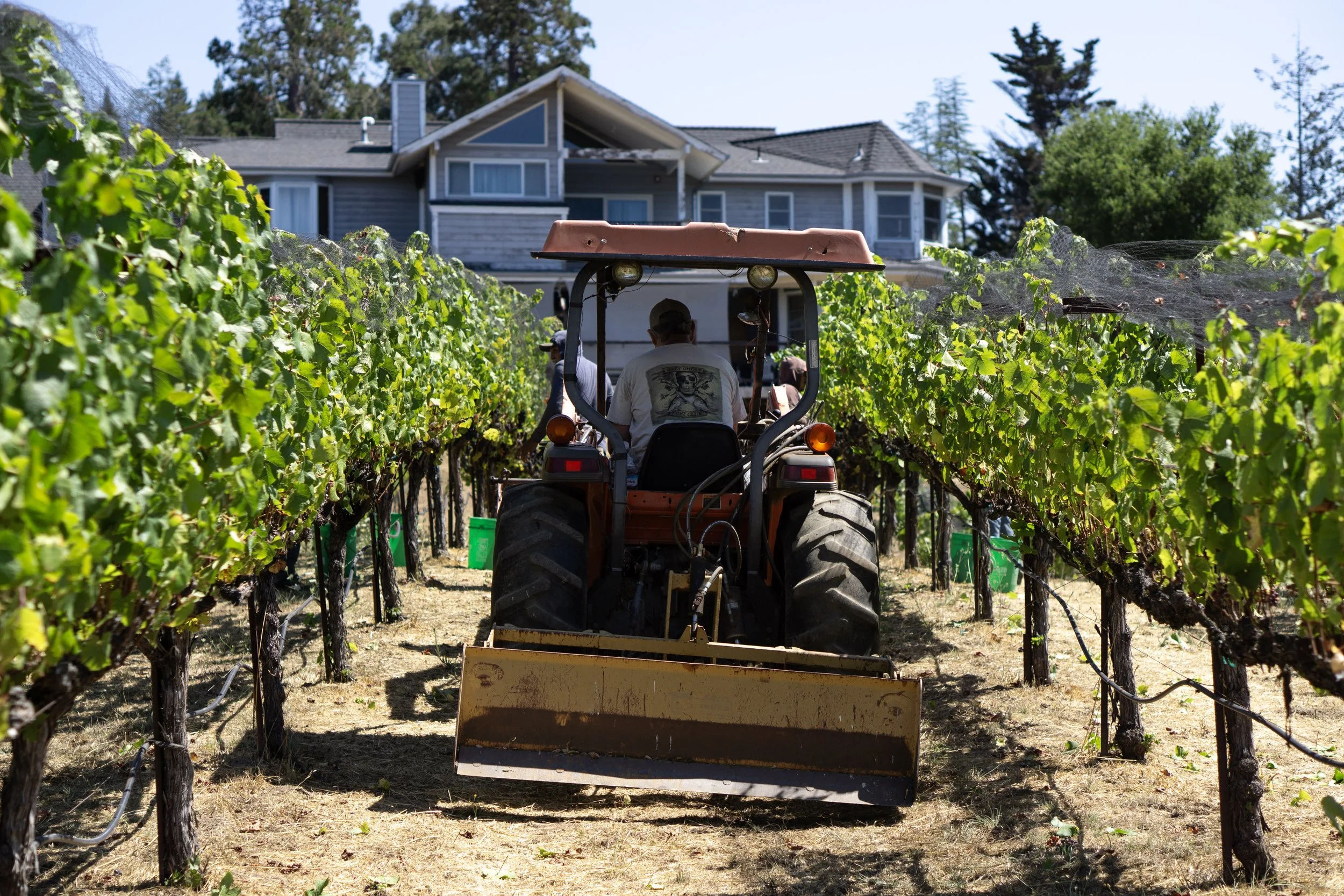
Santa Cruz Mountains, California
A pattern, not an anomaly
Copper and pine resin aren’t outliers — they’re examples of a broader pattern.
Other commonly allowed organic inputs raise similar questions:
Sulfur, Sulfur, while effective, can disrupt soil chemistry and harm beneficial insects with repeated use, particularly in warm-climate viticulture.
Pyrethrins, plant-derived, are broad-spectrum and highly toxic to pollinators
Spinosad, Spinosad is a widely used, low-toxicity insecticide for mammals and is approved for organic farming. However, documented resistance from repeated use, along with significant toxicity to aquatic life and to bees until residues have dried, means its sustainability depends heavily on responsible application and restraint — a nuance often lost in its “soft” marketing.
None of these make organic farming illegitimate. But they do undermine the idea that “natural” automatically means gentle, or that certification alone guarantees sustainability.
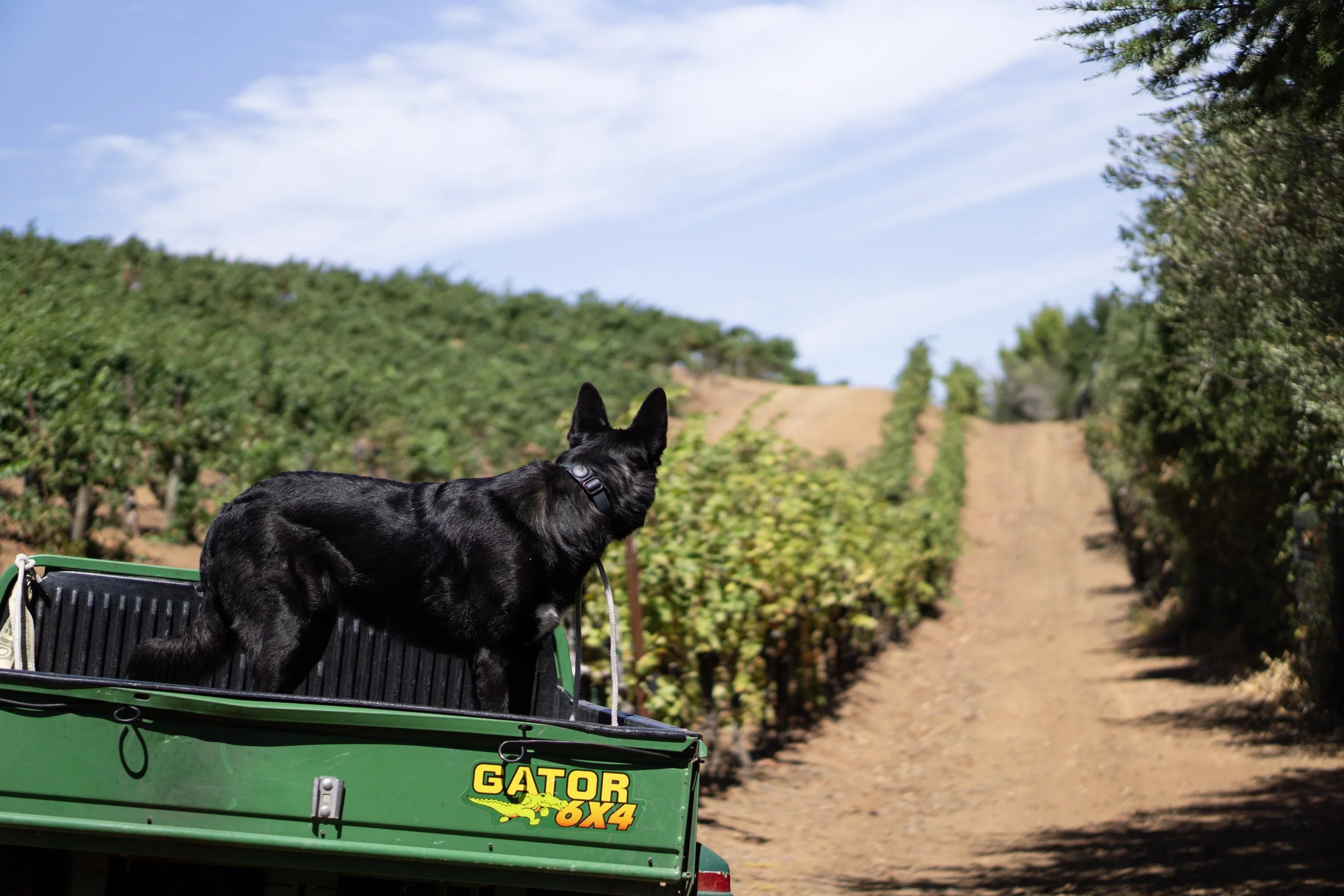
Santa Cruz Mountains, California
A brief, affectionate detour into biodynamics
This is where things get interesting — and, honestly, kind of beautiful.
I’ve worked in biodynamic wineries. I’ve assisted at a biodynamic preparation farm in the Weinviertel in Austria. I love the esoteric. I believe in aliens. So yes — stuffing chamomile flowers into a cow’s intestine sounded intriguing.
And there was something undeniably compelling about it all.
There was calm. Intentionality. A sense of care and presence that’s rare in modern agriculture. I met genuinely thoughtful, grounded, beautiful people. The Winemaker I worked for at the time said that converting to biodynamics made him relax — and I believe him. The system forces attentiveness. It slows you down. It reconnects you to place.
That part matters.
But here’s the distinction that rarely makes it into marketing:
The issue isn’t belief — it’s claims.
Concerns arise when:
preparations lack reproducible scientific evidence of efficacy
ritualized application is framed as agronomy
outcomes are overstated without measurable data
Many growers value biodynamics for the discipline, observation, and intention it encourages. Far fewer quietly claim that the preparations themselves are the primary drivers of vine health or wine quality.
That nuance — belief versus proof — is almost never communicated to consumers.
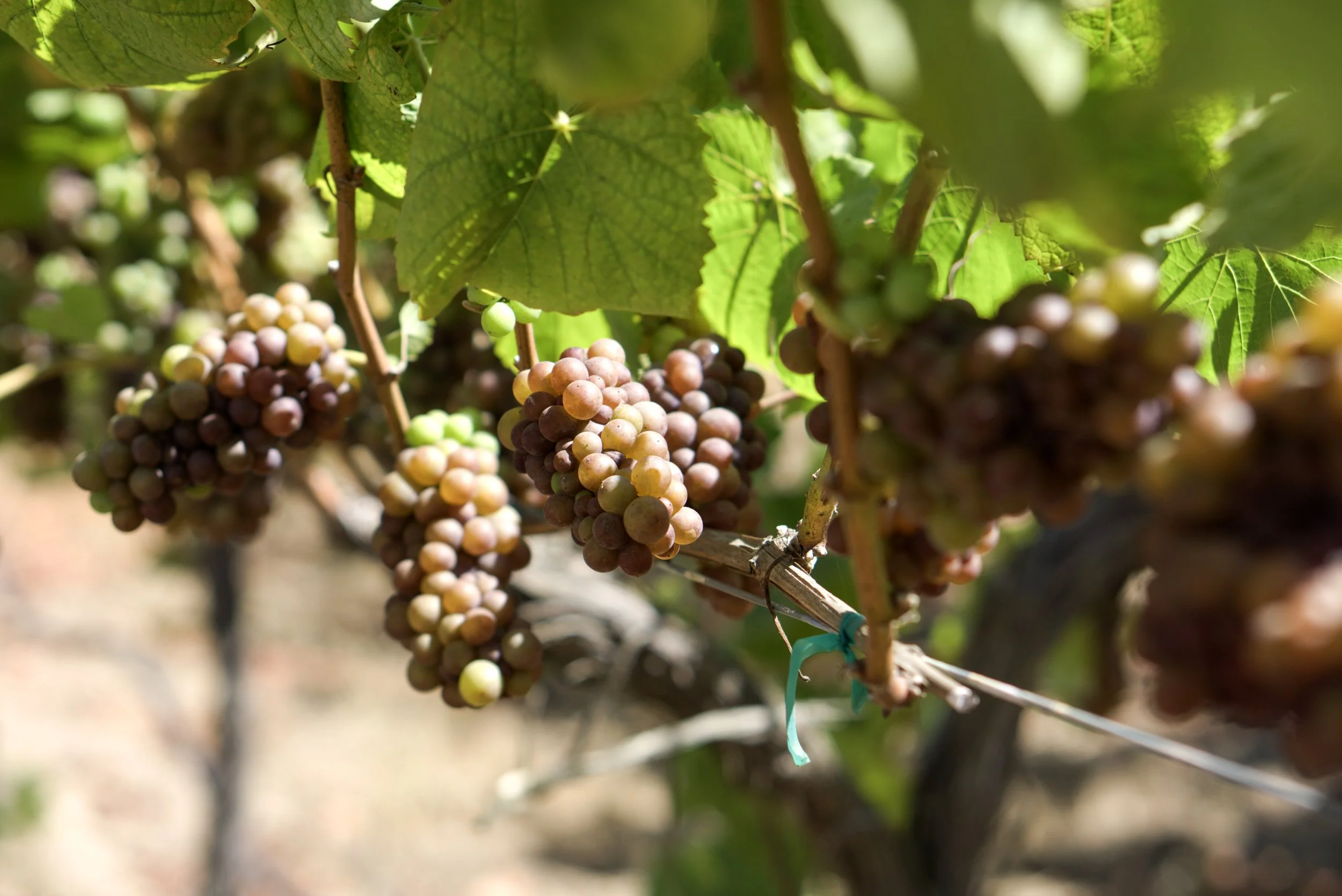
Santa Cruz Mountains, California
Allowed inputs vs ethical intent
This is where the conversation becomes uncomfortable.
A practice can be fully compliant and still feel philosophically misaligned with why many people farm organically or biodynamically in the first place.
Aggressive copper programs.
Highly concentrated “natural” herbicides.
Rituals presented as results.
None of this makes growers dishonest. It reflects the pressure of operating within rigid systems while trying to farm living landscapes.
But it does expose the gap between paper compliance and ethical intent.
Why non-certified doesn’t automatically mean less sustainable
Some non-certified vineyards operate with lower total impact than certified ones — using fewer passes, fewer persistent inputs, and more adaptive decision-making.
Flexibility, in certain contexts, can be more sustainable than strict adherence to a checklist.
Yet branding often flattens this complexity into a moral hierarchy, where certification becomes shorthand for virtue.
That’s marketing. Not agriculture.
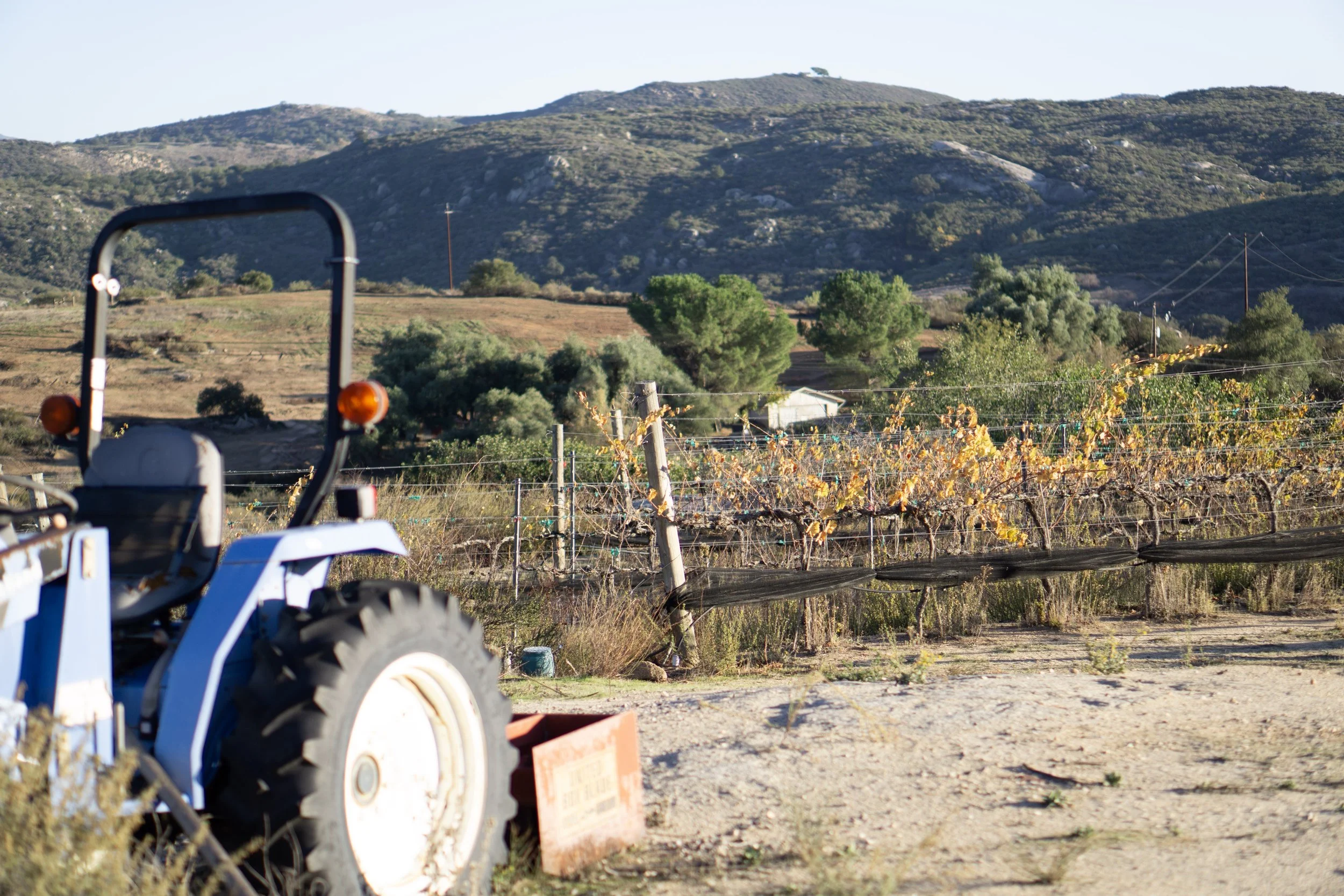
Ramona Valley, California
The real marketing takeaway
Consumers don’t need purity.
They need context.
The brands that will age well are the ones that:
explain why they farm the way they do
acknowledge trade-offs instead of hiding them
avoid absolute claims they can’t defend in ten years
Good farming is complex.
Good marketing should be honest enough to admit it.
I don’t pretend to have this all figured out.
Most of what I know comes from working alongside growers, watching what actually happens in the vineyard, and being willing to question things that sound good but feel incomplete.
If you’ve had similar experiences — or see this differently — I’d genuinely love to hear your perspective. The best ideas in wine rarely come from certainty.
