Percentages, Blending & When Wine Starts Moving
I was working in Margaret River, Western Australia when I witnessed how fluid “place” can become once wine leaves the vineyard.
This wasn’t about topping up a blend or smoothing an edge.
It was a direct swap.
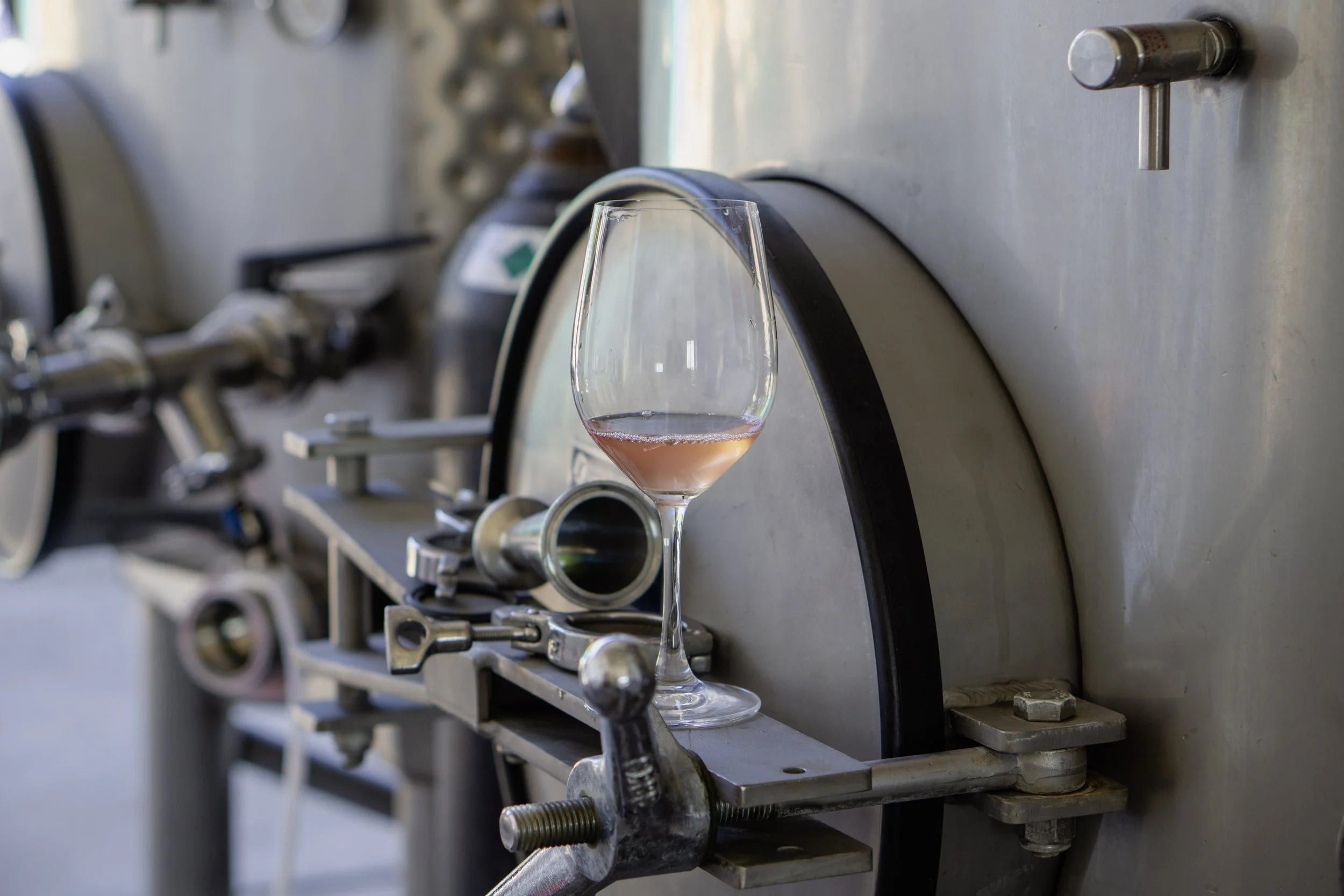
A small wine tanker arrived from the Hunter Valley — roughly 5,000 kilometers, crossing the Nullarbor Plain. The tanker was unloaded in full. Then it was refilled with the exact same volume and sent straight back across the country.
No change in volume.
No paper trail following the liquid.
Just wine exchanged, region for region.
The purpose was simple: to lift the quality of Hunter Valley Cabernet Sauvignon, particularly in difficult years. When heat, disease pressure, or uneven ripening compromised the local fruit, this ensured the finished wines still hit the richness, colour, and structure expected of premium labels.
When I asked the winemaker why, the response was immediate:
“How do you think they make exceptional Cabernet every year?”
No drama. Just reality.
Why This Works: Percentages and Power
In most New World wine systems, 75–85% thresholds govern varietal and regional labelling. As long as the majority requirement is met, the remainder is flexible.
And 5–10% is never neutral.
At the blending bench, that amount can:
Deepen colour
Broaden mid-palate
Soften tannin
Shift perceived ripeness
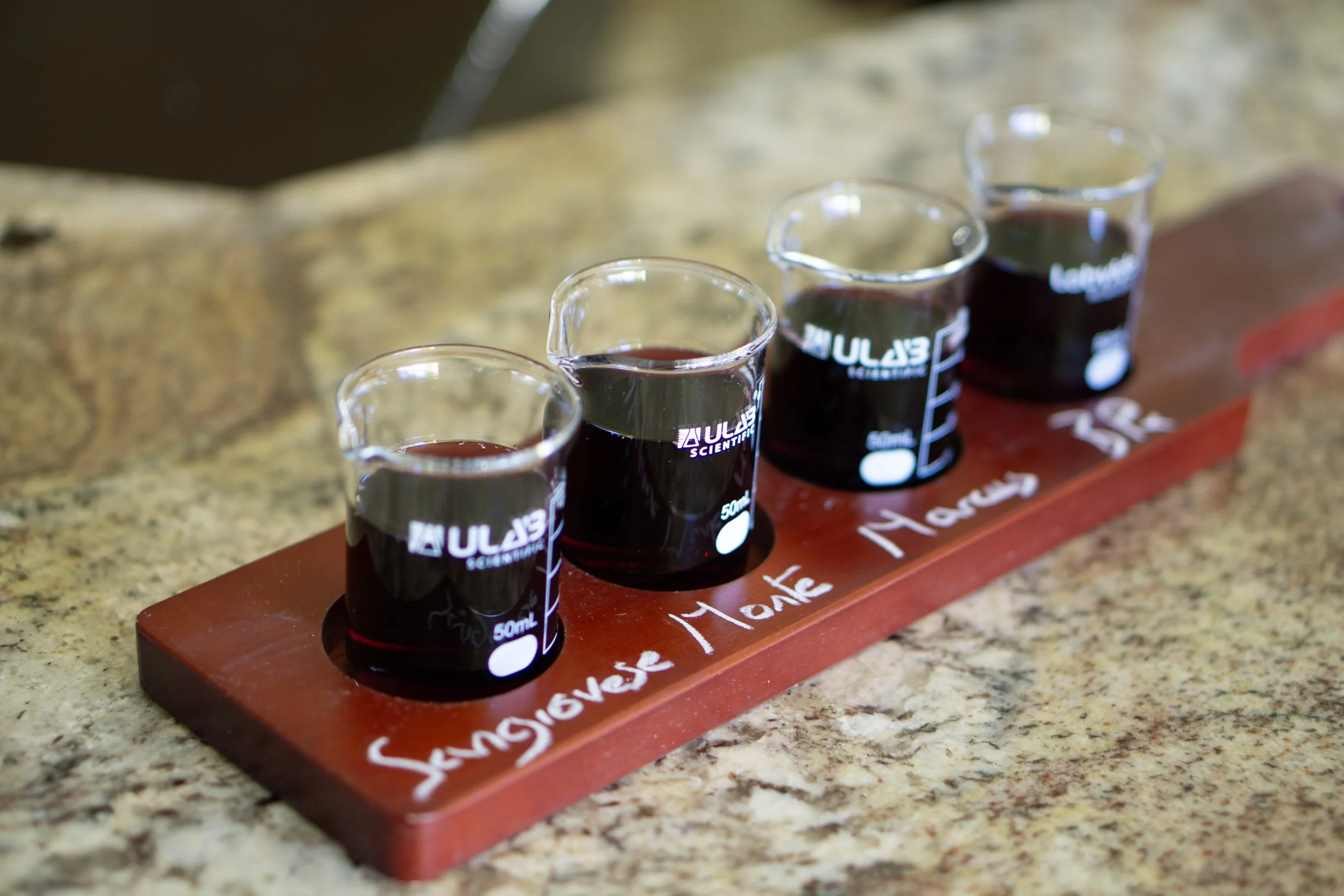
At that level, you’re not correcting a wine — you’re reframing it.
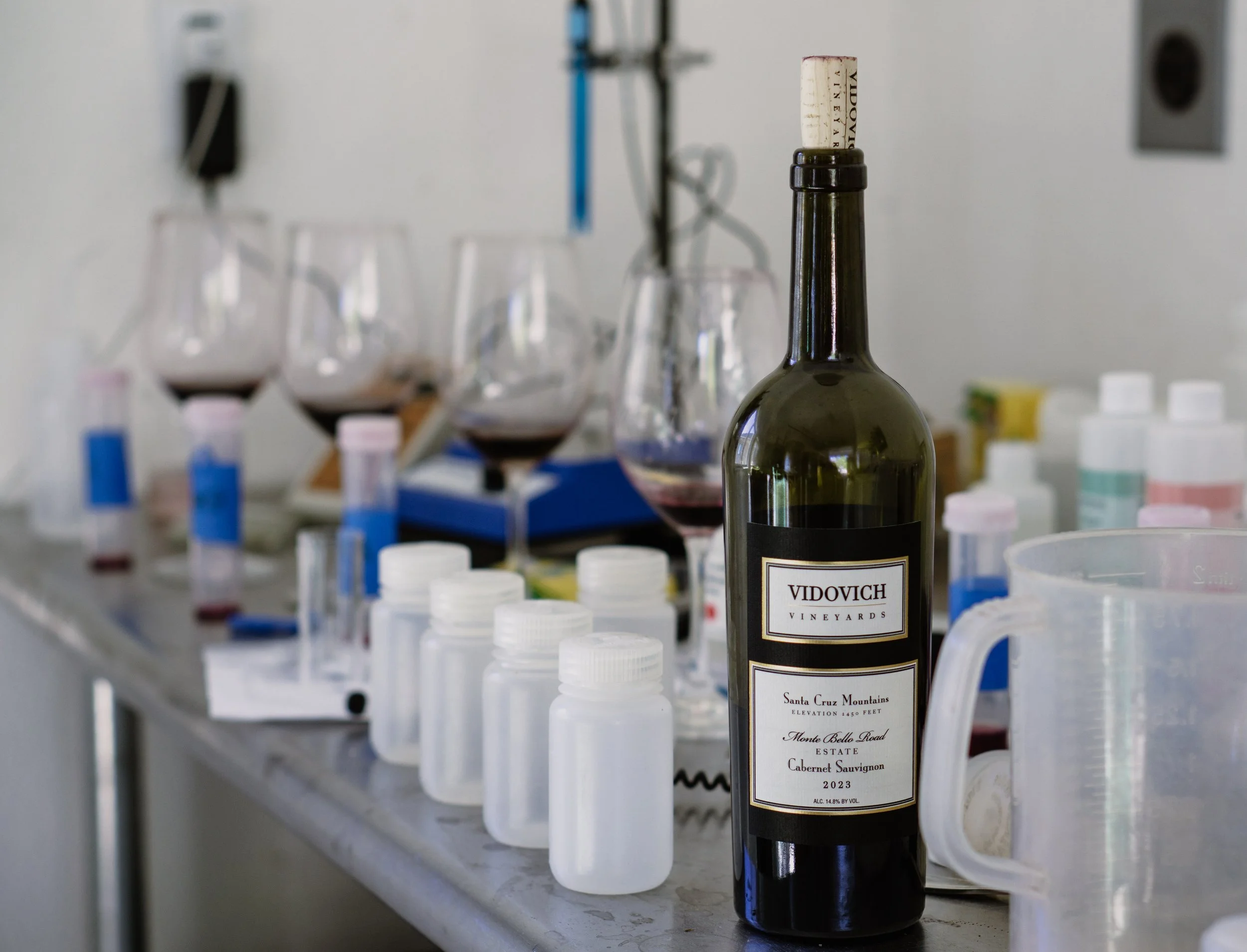
Note: wine shown is 100% single varietal/vineyard
This Is a Global Pattern, Not an Outlier
When you’ve seen this once, you start recognising it elsewhere.
France: Languedoc → Bordeaux
France has repeatedly confronted this reality in public.
Some notable, documented cases:
The 1973–1974 “vin rouge” scandal, where millions of litres of southern French wine were secretly moved north, sparking grower riots in Languedoc.
The 2016–2017 Languedoc–Bordeaux fraud cases, where bulk wine was illegally re-labelled or blended into Bordeaux wines. Several négociants were fined and prosecuted.
Investigations reported by Le Monde, Sud Ouest, and Decanter outlining how inexpensive Mediterranean wine was used to stabilise volume and style in weak Bordeaux vintages.
The motivation was consistent:
Maintain volume
Preserve house style
Support higher price points
Not all cases resulted in convictions. Many never reached court.
Italy: Southern Wine as Northern Backbone
Italy has a long-running and well-documented history (particularly pre-2010):
Puglia and Sicily supplying bulk wine to Tuscany, Veneto, and Emilia-Romagna
Documented investigations into bulk shipments used to “strengthen” weaker northern vintages
Several major fraud prosecutions in the 2000s and 2010s involving falsified origin documents
Again — not folklore. Court records.
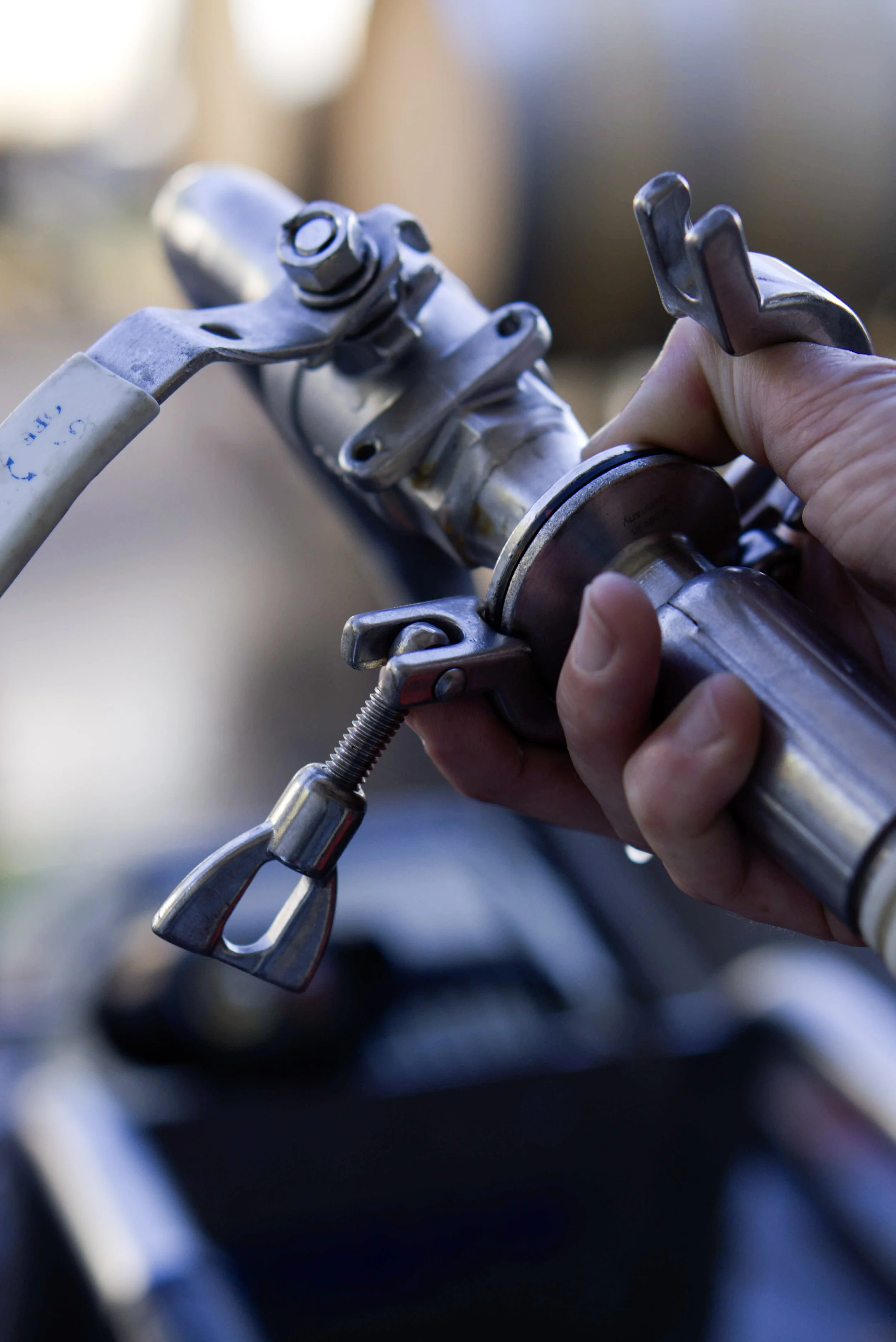
Chile → New Zealand: Legal, Quiet, Effective
In New Zealand, the system often operates legally.
Large corporate producers import bulk wine in flexi-tanks from Chile, blending it into domestic wines while staying inside varietal and origin thresholds.
Industry bodies openly acknowledge bulk imports:
New Zealand Winegrowers annual reports
Trade coverage in The Drinks Business and Wine Business International
The goal isn’t terroir expression. It’s flavour consistency, supply stability, and price control.
Meet the percentage.
Push it to the edge.
Keep the label intact.
How Much “Place” Is Required?
A Comparative Look at Regional Wine Percentage Rules
Wine labels imply precision.
In reality, what “from a place” means depends heavily on where that place is.
Below is a clear comparison of how much wine must actually come from a region for that name to appear on the label — across the U.S. and major global wine regions.
United States (Federal AVA Rules)
In the U.S., AVAs are governed federally by the TTB, and the rules are uniform nationwide.
American Viticultural Areas (AVAs)
85% of the wine must come from the stated AVA
85% of the wine must be from the stated vintage (California and Oregon; other states vary)
75% of the wine must be from the stated grape variety (some states require 85%)
That means:
15% can come from outside the AVA
15–25% can be other varieties
These components do not need to be disclosed
This applies equally to Napa Valley AVA, Willamette Valley AVA, Paso Robles AVA — with notable grandfathered exceptions such as the Santa Cruz Mountains AVA (75%) - more on that outlier another day.
A wine can legally be labeled from a prestigious AVA while up to 15% of its volume originates elsewhere.
France (AOC / AOP System)
France operates under Appellation d’Origine Protégée (AOP) rules, enforced regionally and nationally.
Bordeaux, Burgundy, Rhône, etc.
100% of the grapes must come from the appellation
Grape varieties are strictly defined
Yields, alcohol, and viticultural practices are regulated
Blending from outside the appellation voids appellation status
Examples:
Bordeaux AOC: 100% Bordeaux fruit
Burgundy AOC: 100% Burgundy fruit
Any deviation = loss of appellation status.
Italy (DOC / DOCG)
Italy follows a similarly strict framework.
100% of grapes must come from the stated DOC/DOCG
Grape varieties and percentages are prescribed
Auditing is regionally enforced
Examples:
Chianti Classico DOCG: 100% from defined zone
Barolo DOCG: 100% Nebbiolo, 100% origin
Italy’s scandals historically arose not from loose rules — but from circumventing strict ones.
Spain (DO / DOCa)
Spain also requires:
100% regional origin
Defined grape varieties
Yield and aging regulations
Examples:
Again, no legal allowance for outside wine in DO/DOCa-labelled bottles.
Austria (DAC System)
Austria is notable not just for strict rules — but active enforcement.
100% of grapes must come from the DAC region
Styles and varieties are tightly defined
Routine isotopic and chemical testing is used
Examples:
Australia (Geographical Indications – GI)
Australia sits somewhere between the U.S. and Europe.
85% must come from the stated GI
15% flexibility is permitted
Enforcement focuses primarily on records
Examples:
Margaret River
Hunter Valley
New Zealand (GI System)
New Zealand mirrors Australia closely.
85% regional requirement
Imported wine cannot legally be labeled under a New Zealand GI unless regional thresholds are met.
Auditing is largely paper-based
Examples:
Why This Matters
All of these systems are legal.
None are inherently dishonest.
But they describe very different philosophies of place.
In some countries, origin means majority.
In others, it means totality.
Understanding which system you’re drinking under changes how you read a label — and how much weight you give the word region.
Not judgment.
Just clarity.
The Question That Lingers
This isn’t about condemning winemakers.
Most are operating inside systems they didn’t design, serving markets that expect the same taste every year regardless of weather, disease, or site variation.
But it does leave an honest question:
If 5–10% can fundamentally change a wine, and wine can move quietly across regions and borders…
What does place really guarantee anymore?
Not a verdict.
Just context — and something worth understanding before taking labels at face value.
