A Long Weekend in the Okanagan Valley
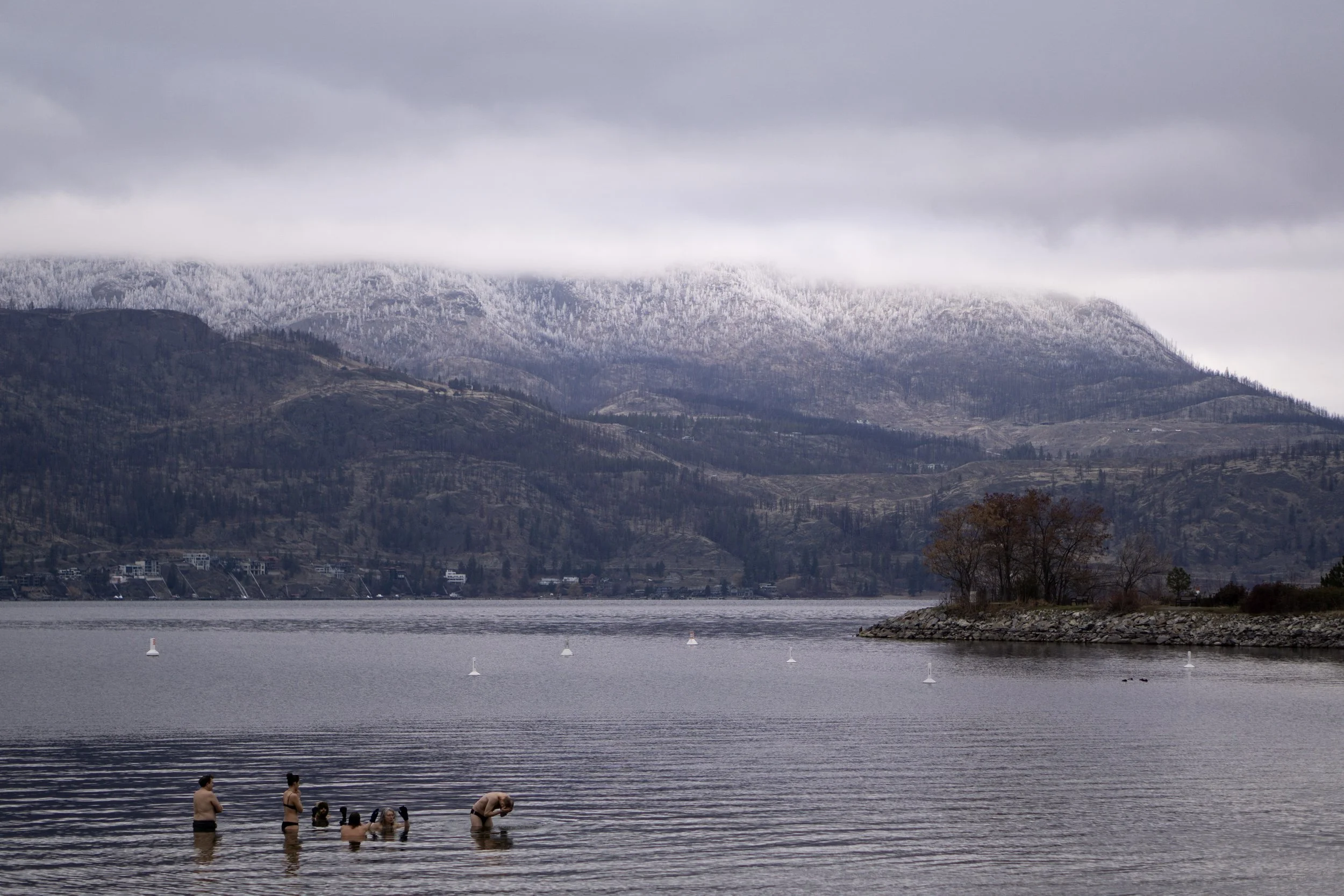
Winter plunge in the Okanagan Lake
The Okanagan Valley isn’t a valley in the classical sense. It’s a long, narrow north–south corridor that runs more than 200 km, terminating hard at the US border.
Geography is everything here.
At the southern tip, Osoyoos sits on the edge of the Sonoran Desert extension — hot, dry, and unforgiving. This is Cabernet Sauvignon territory. If you can ripen Cabernet reliably, produce convincing Rhône-style Syrah, and still (on occasion) freeze grapes naturally for icewine (Northern end), you’re dealing with serious climatic diversity.
That diversity isn’t theoretical — it’s compressed into a single strip of land.
A Region Defined by Extremes
The Okanagan’s soils are the product of glaciation, erosion, and retreating water:
Glacial till: heterogeneous mixes of sand, silt, clay, and gravel
Sandy and gravelly loams near the lake benches
Alluvial fans in valley floors
Very low organic matter in the south
Drainage is generally excellent. Water retention is not — which is why irrigation is unavoidable and highly managed.
Climatically, the lake is the great moderator. Okanagan Lake buffers temperature swings, reflects light, and mitigates frost — but only to a point. Beyond the lake’s reach, vineyards are exposed. Frost, wildfire, and drought are constant threats, not occasional anomalies.
Recent winters have seen frost events severe enough to wipe out up to 90% of production in some sites. Hybrids survive where vinifera doesn’t. This is not easy farming.
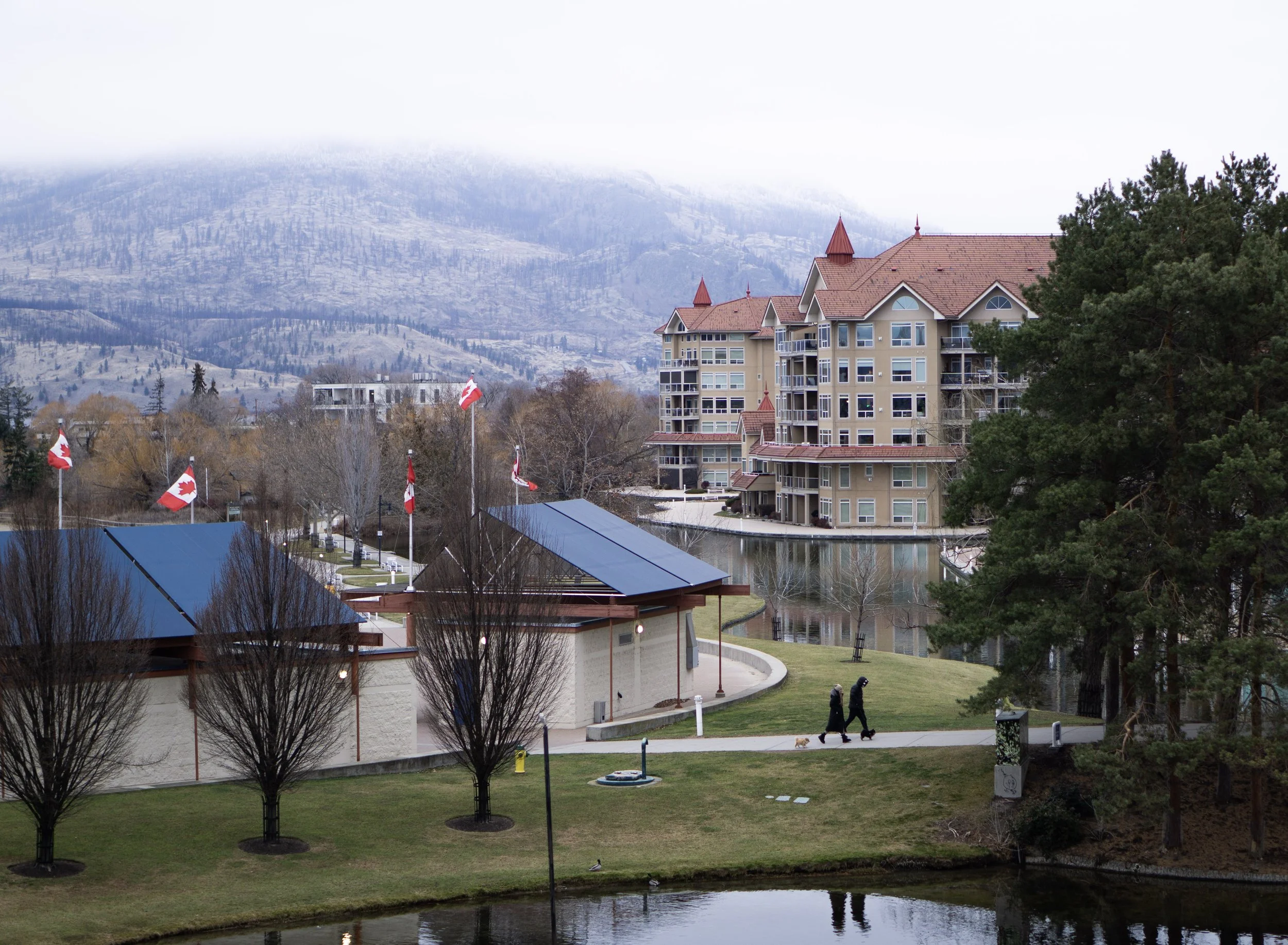
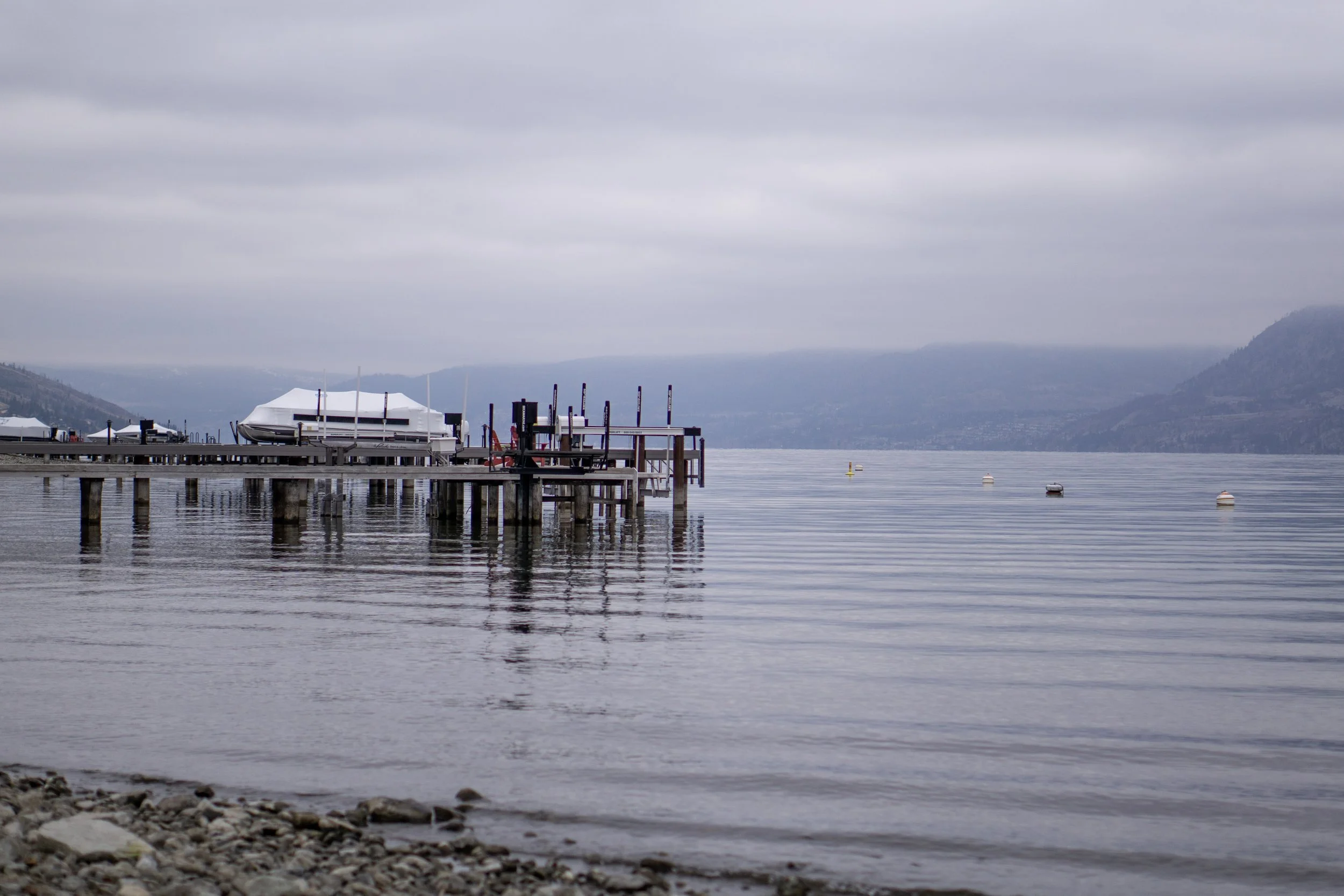
Winter Isn’t the Ideal First Impression
Flying into Kelowna, the main gateway, the first thing that stood out wasn’t vineyards or mountains — it was infrastructure.
Car yards everywhere.
Panel beaters.
Oil-change shops.
Car washes.
And then Canadian Tire — which, apparently, does everything.
It’s practical, utilitarian, and oddly revealing. Even local artist Jed Lind seems to nod to this reality with his automotive sculpture outside the Kelowna Art Gallery — industrial, grounded, unromantic.
But keep driving.
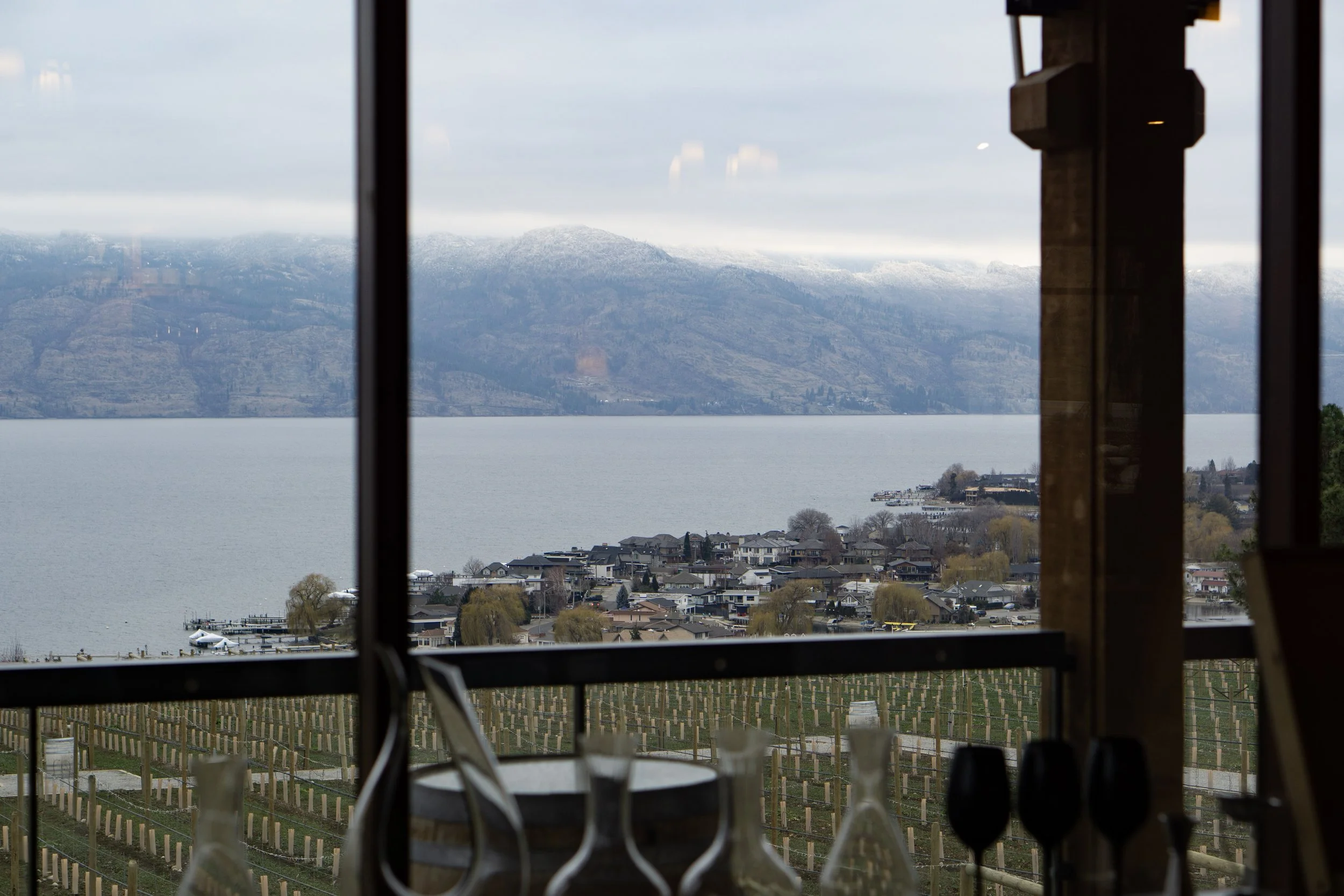
Head south along the lake, out of the commercial sprawl and into the Okanagan proper, and the shift is immediate. The valley opens. The light softens. Vineyards begin to terrace down toward the water. Desert hills roll into alpine silhouettes. The lake stretches long and still, reflecting sky and slope.
The beauty isn’t loud — it unfolds.
And suddenly the infrastructure makes sense. This is a working valley first. The landscape just happens to be spectacular.

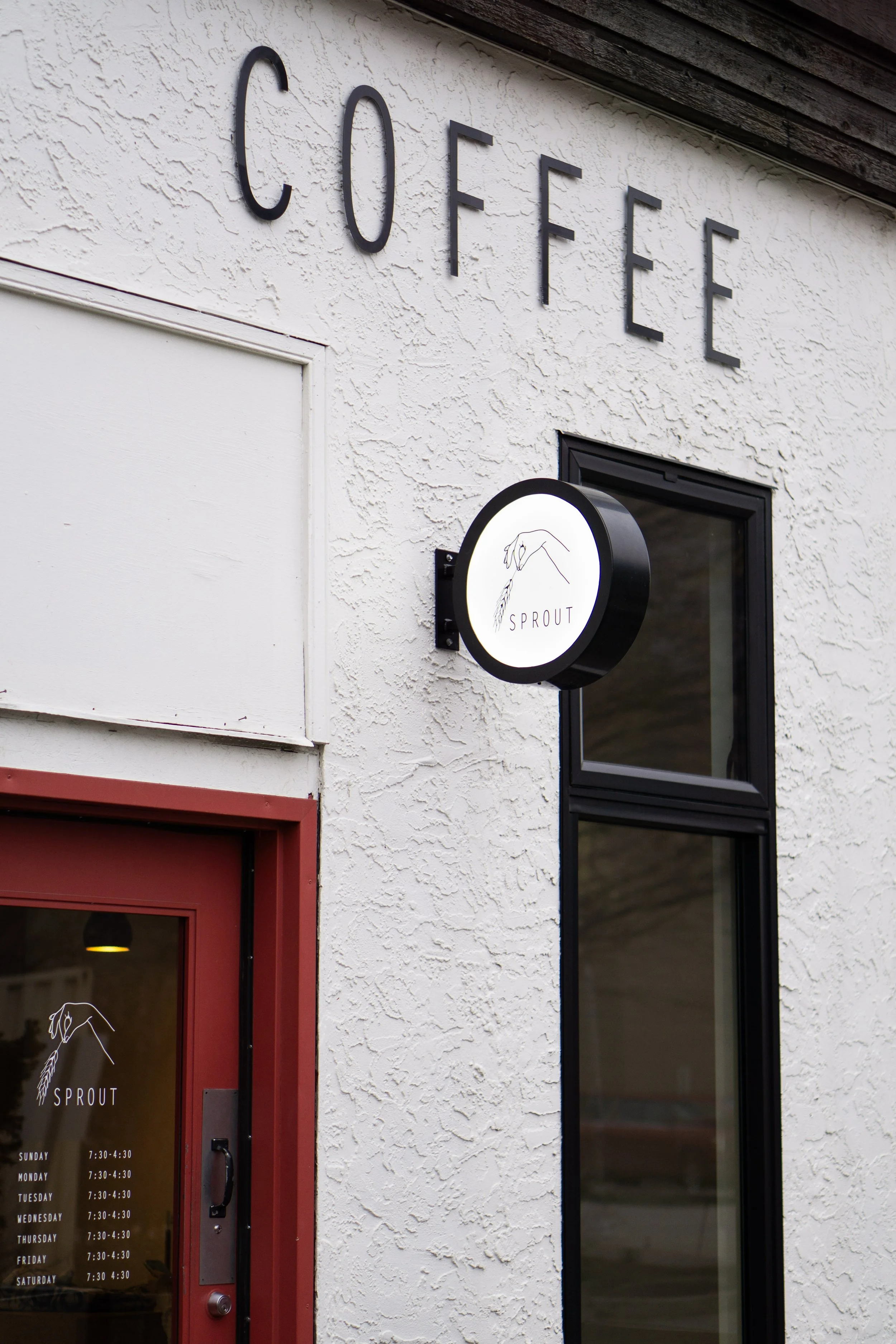
Base Camp and Coffee
We stayed at The Royal Kelowna — a perfect base. Central, walkable, and right on the lake.
First stop, as always, was coffee.
Sprout Bread is essential. Excellent coffee, fresh bread, proper breakfast, and real workspace. No fuss. Just execution.
A walk along the waterfront followed, scanning the lake for Ogopogo. No sightings.
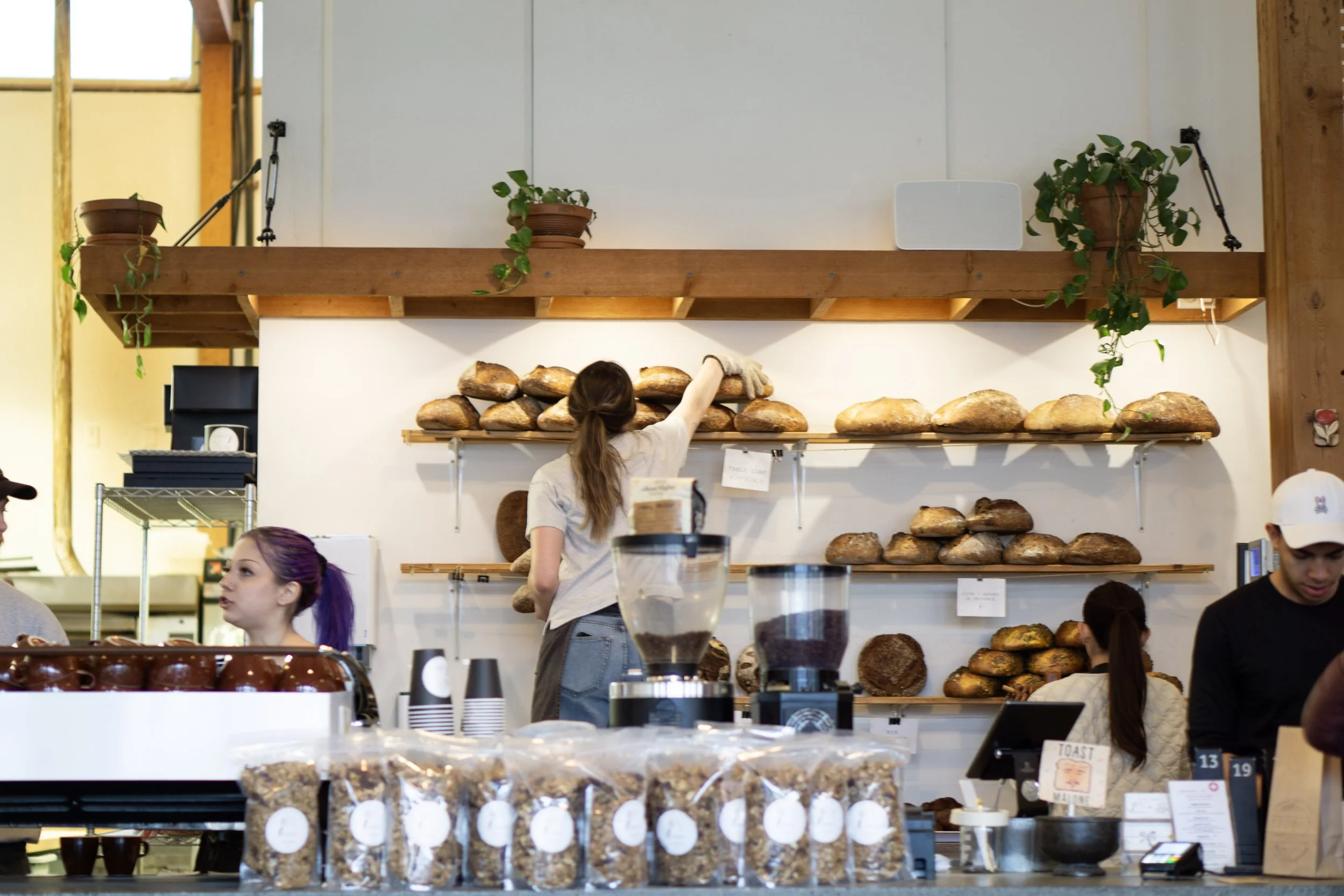
Sprout - go there!
A Quick Survey of Styles
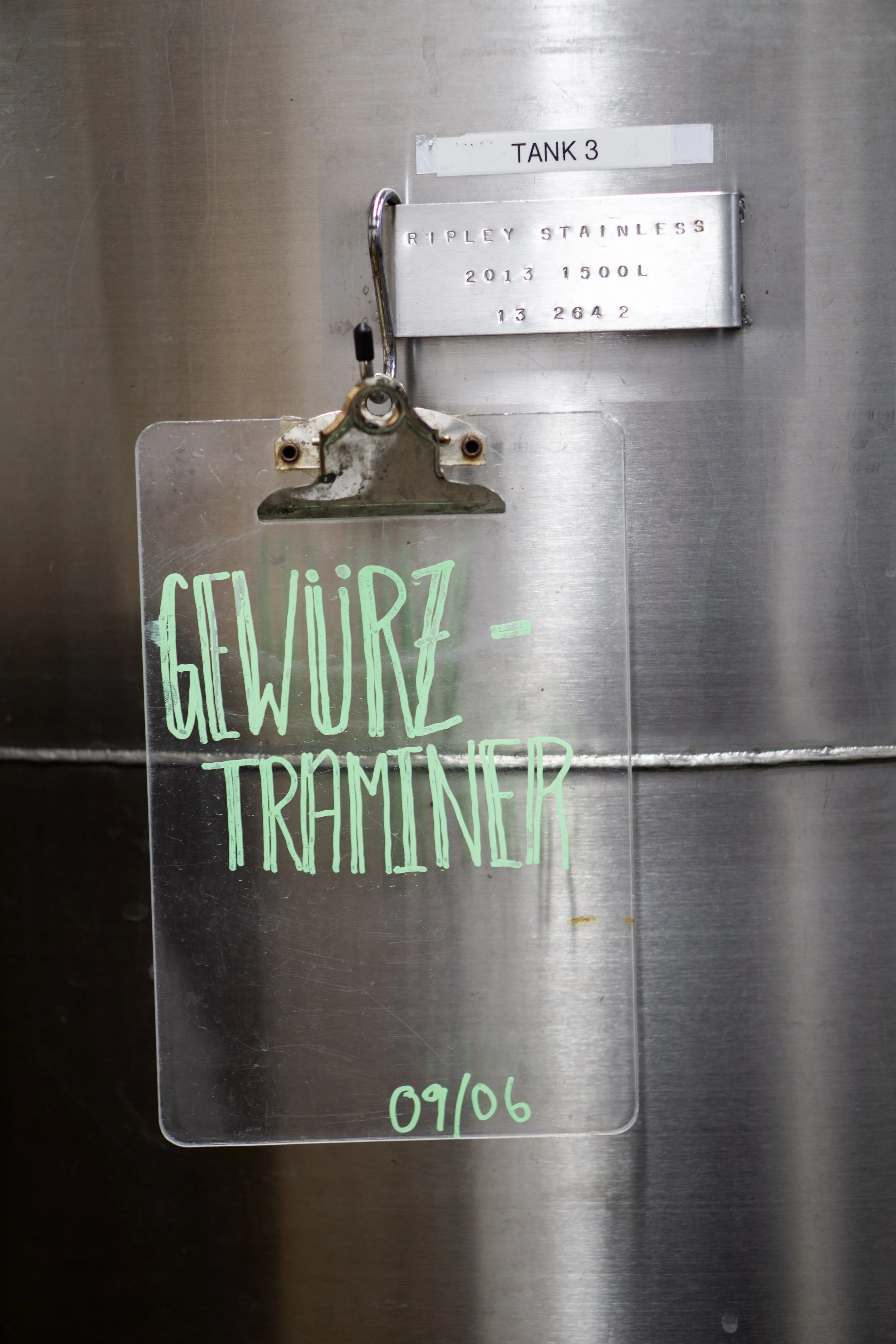
We met up with Cass, assistant winemaker at Mt. Boucherie Estate Winery, who guided us through the first stops.
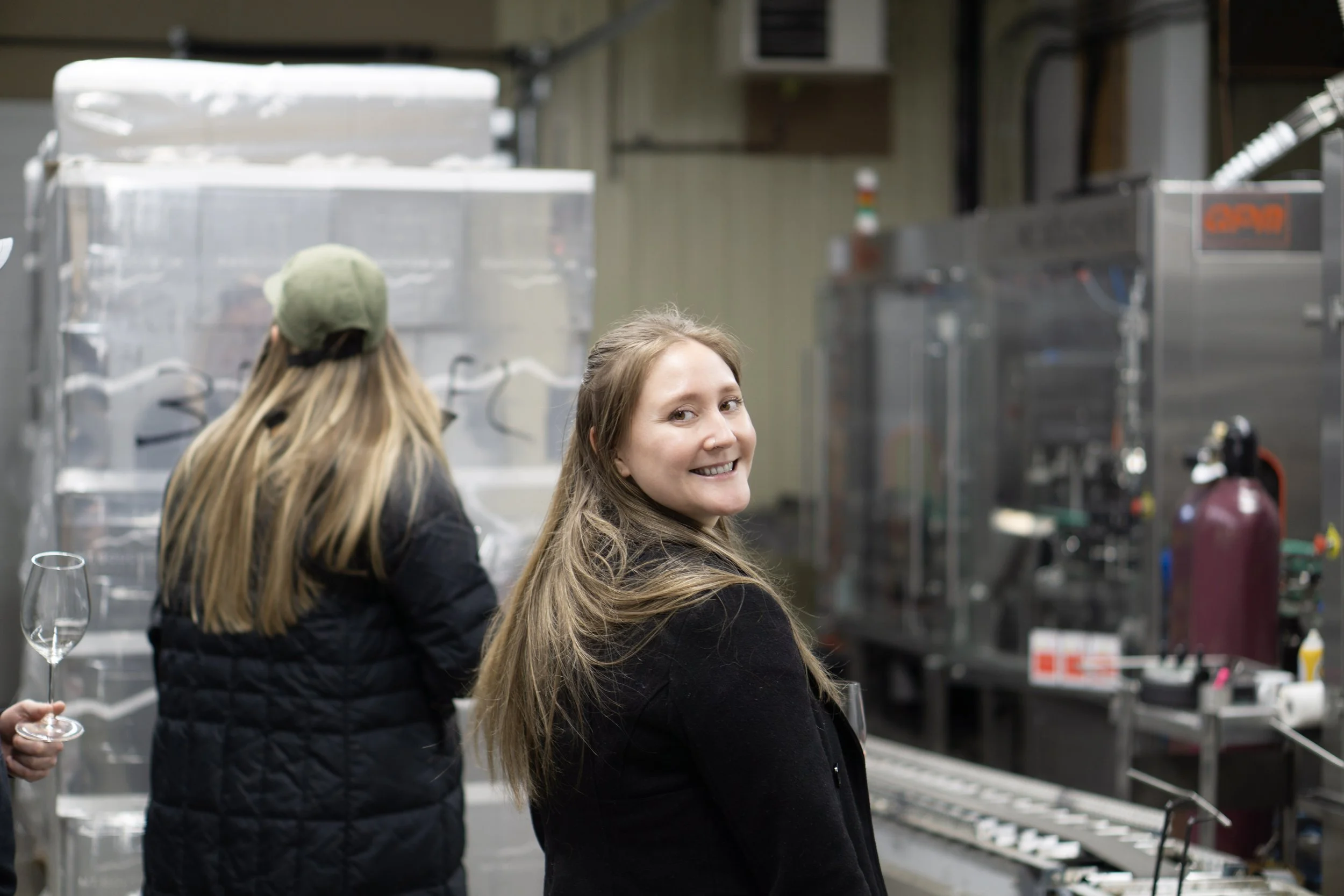
Assistant Winemaker @ Mt Boucherie Estate Winery - Cass.
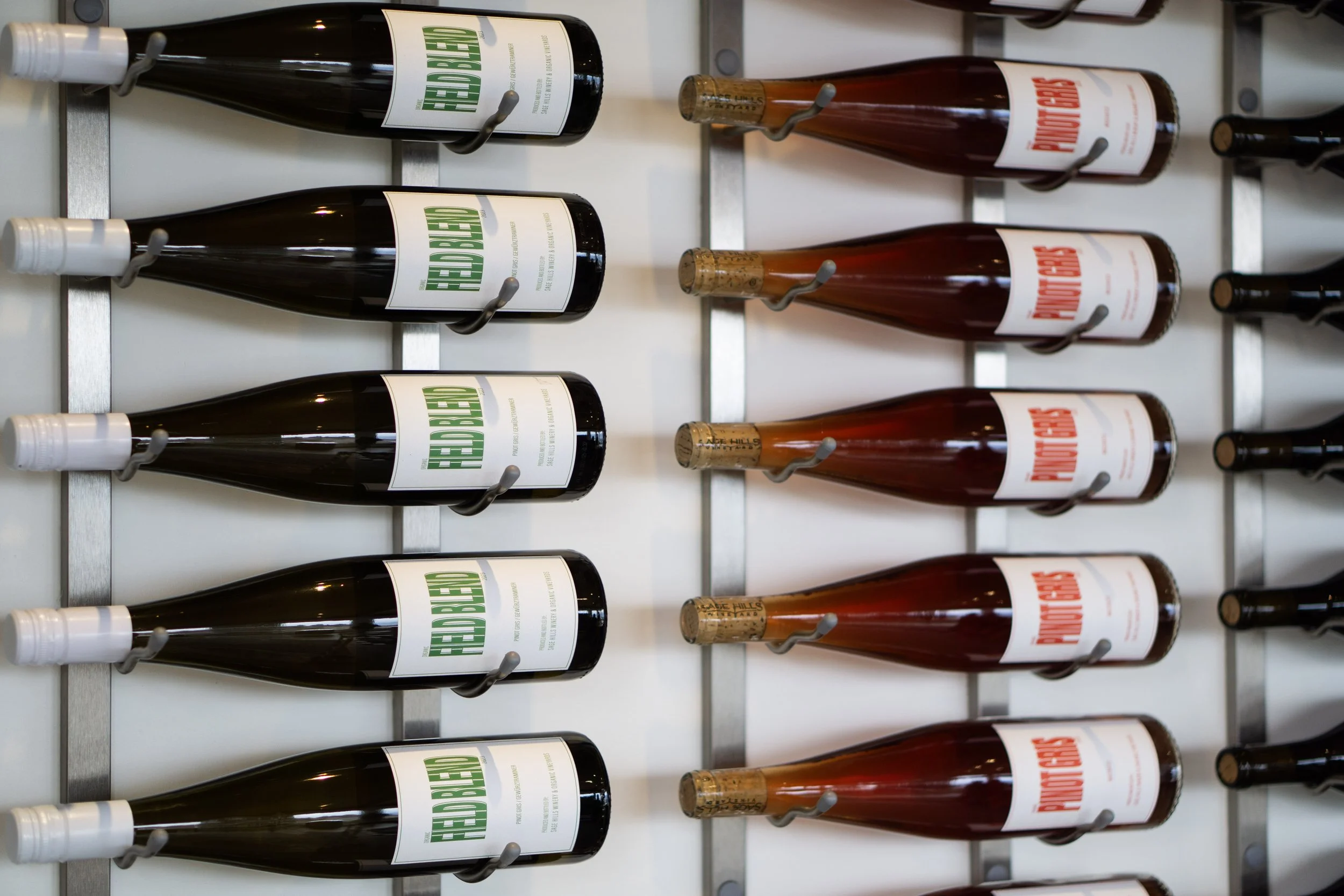
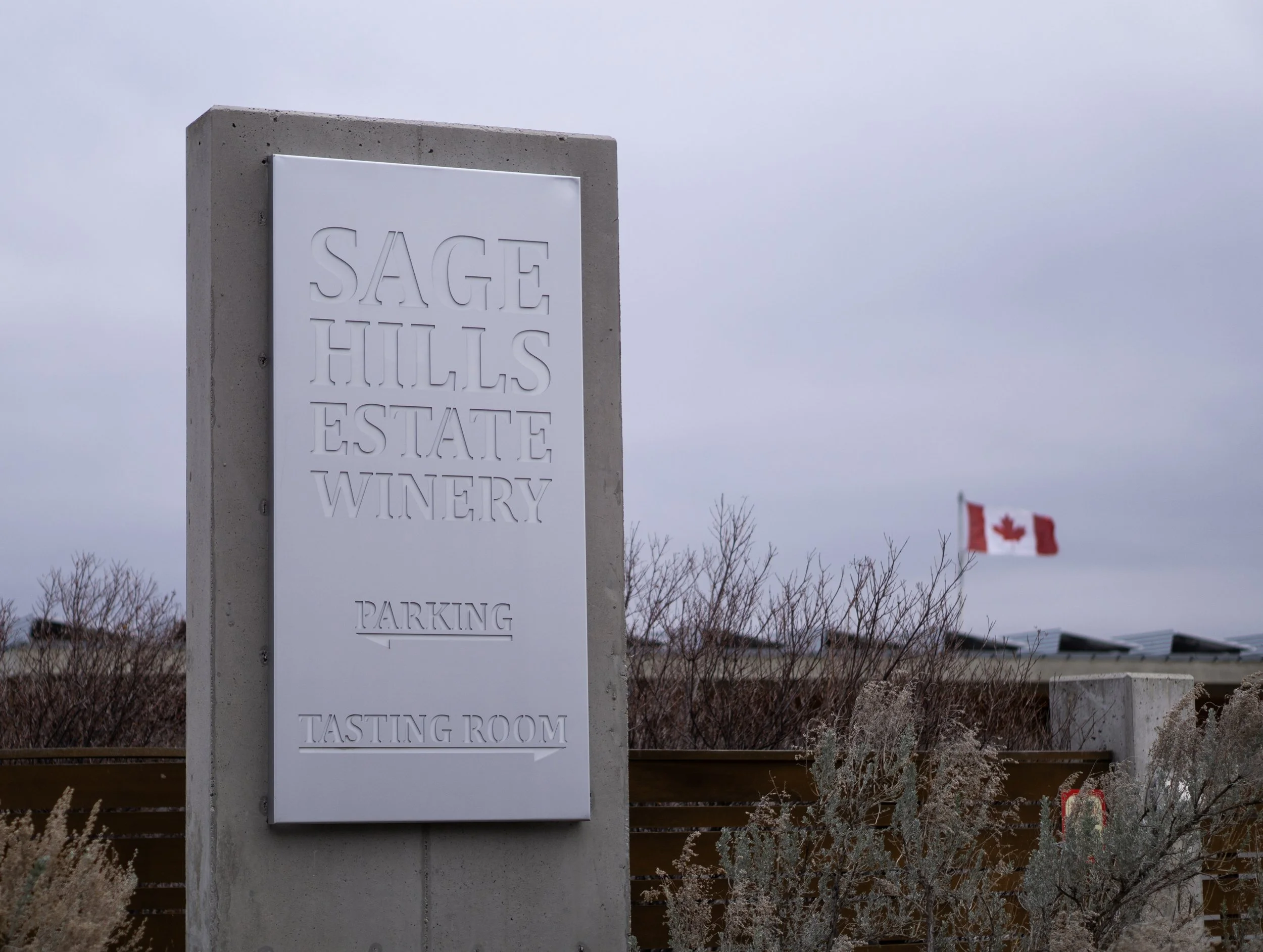
At Sage Hills Winery, Keenan runs a minimal-intervention program. Sage Hills wines see a modest ~10 ppm SO₂ at bottling. His own label? Zero sulphur. Unfiltered.
What stood out wasn’t ideology — it was control. No noticeable VA. No excessive oxidation. A reminder that many faults often excused in “natural” wine are, in fact, manageable.
At Quails' Gate Winery, the contrast was sharp. Polished wines, impeccable views, and a sense of quiet confidence. Okanagan wines tend to be restrained — far removed from the volume and bravado common in parts of California.
As someone from New Zealand, the similarities were obvious. Another Commonwealth country. Another cool-climate mindset. Familiar restraint.
Mark Anthony Group: Scale Meets Precision
This is where the Okanagan gets truly interesting.
The Mark Anthony Group is globally synonymous with White Claw — a mass-market phenomenon built on scale, efficiency, and global distribution.
Less visible is their premium Okanagan wine portfolio, which is intentionally fragmented by site and style rather than consolidated under one brand.
Key Mark Anthony–owned Okanagan wineries include:
Mission Hill Family Estate – flagship, Bordeaux-influenced blends and architectural scale
Martin’s Lane Winery – ultra-focused Riesling and Pinot Noir
CheckMate Artisanal Winery – single-vineyard Chardonnay and Merlot
CedarCreek Estate Winery – site-driven wines with a strong restaurant program
Each operates with its own winemaking team, varietal focus, and philosophy. No shared “house style.”
Martin’s Lane Winery
Martin’s Lane: Architecture and Intent
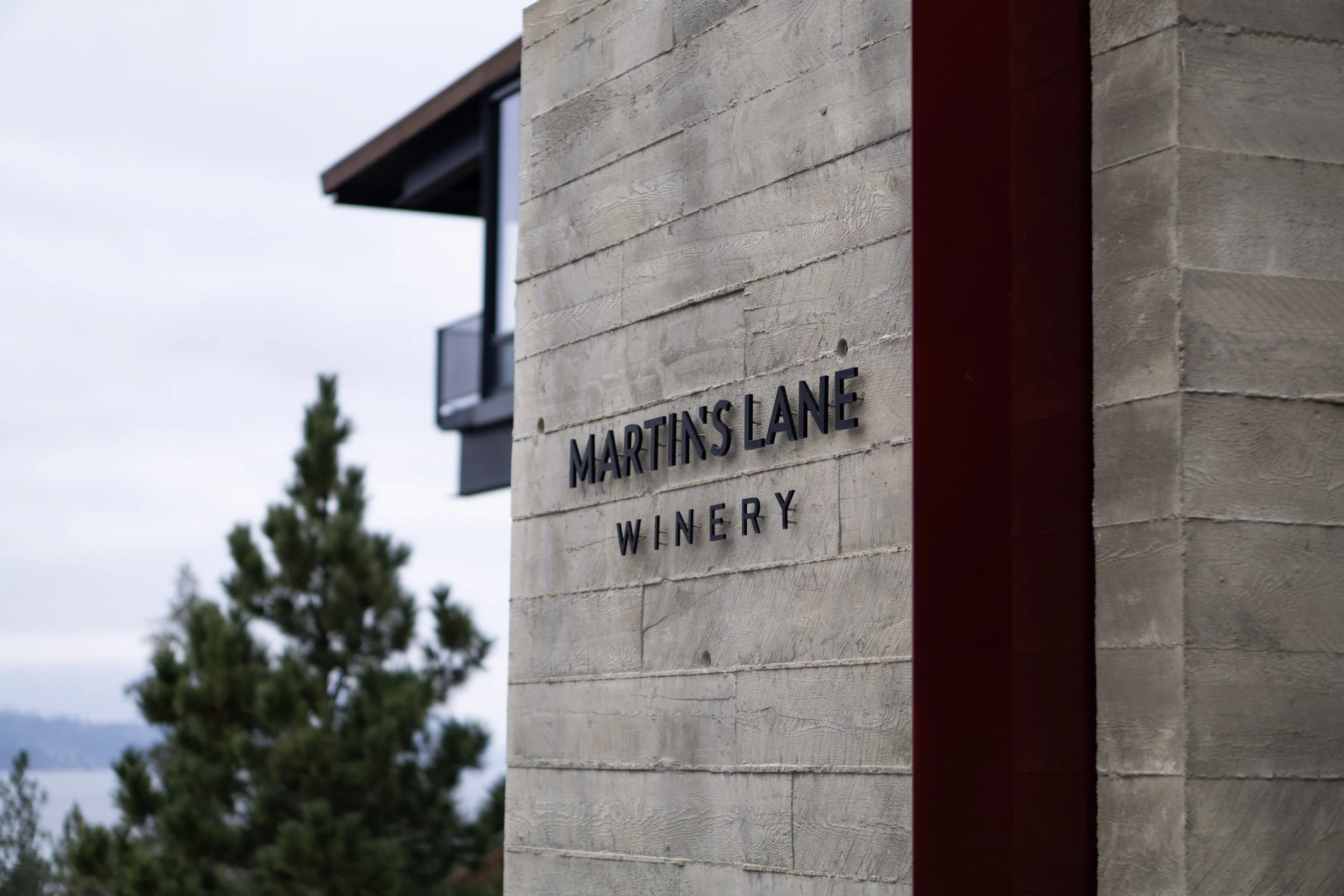
Ella meets us at the entrance — or what looks more like a wall. Brutal, deliberate, and architectural. A sculptural Van Gogh head lies sideways beside the driveway.
If you’ve ever been to Museum of Old and New Art in Tasmania, you’ll understand the feeling immediately.
Ella gives us the initial brief before handing us over to Clarissa Bertoncello, the assistant winemaker.
Clarissa guides us through the site — not just the mechanics of the building, but the reasoning behind it. The region. The vineyard sources. The stylistic intent. The constraints. The decisions that matter.
An absolute gem. Humble. Extremely knowledgeable. Clear. Direct.
After working in the industry since the late ’90s, you develop a fairly reliable radar for inflated narratives and cellar theatre. It doesn’t take long to separate confidence from competence. Clarissa is as legitimate as they come.
No marketing gloss. No rehearsed mythology. Just clarity, depth, and a genuine understanding of both place and process.
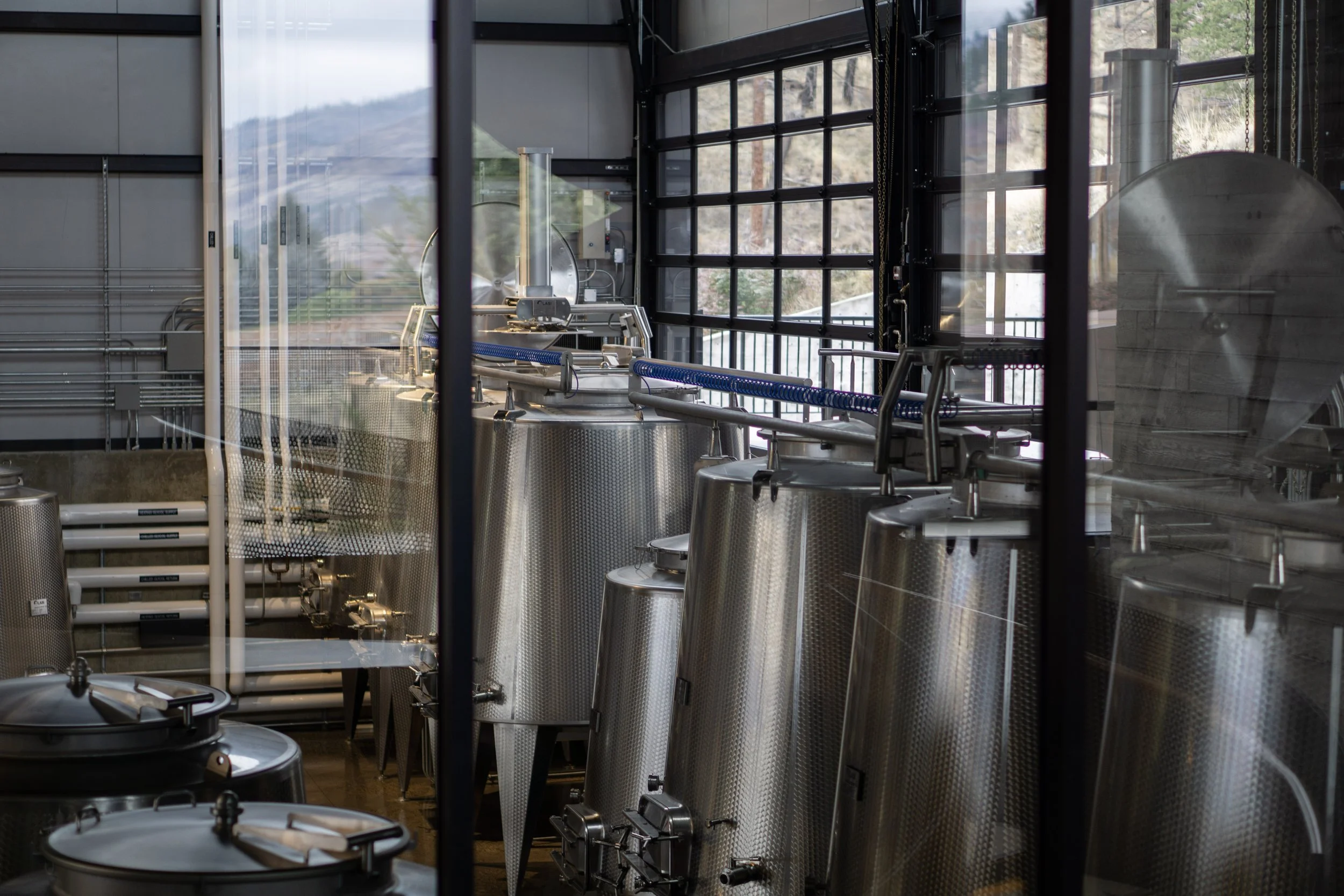
Inside, the detail is staggering. Everything is gravity-fed:
Crush at the top
Fermentation and élevage below
Bottling at the base
Even the refrigeration lines feel intentional. This is a winery designed by people who understand flow, labour, and fatigue — and eliminated friction before it existed.
Focus, Not Excess
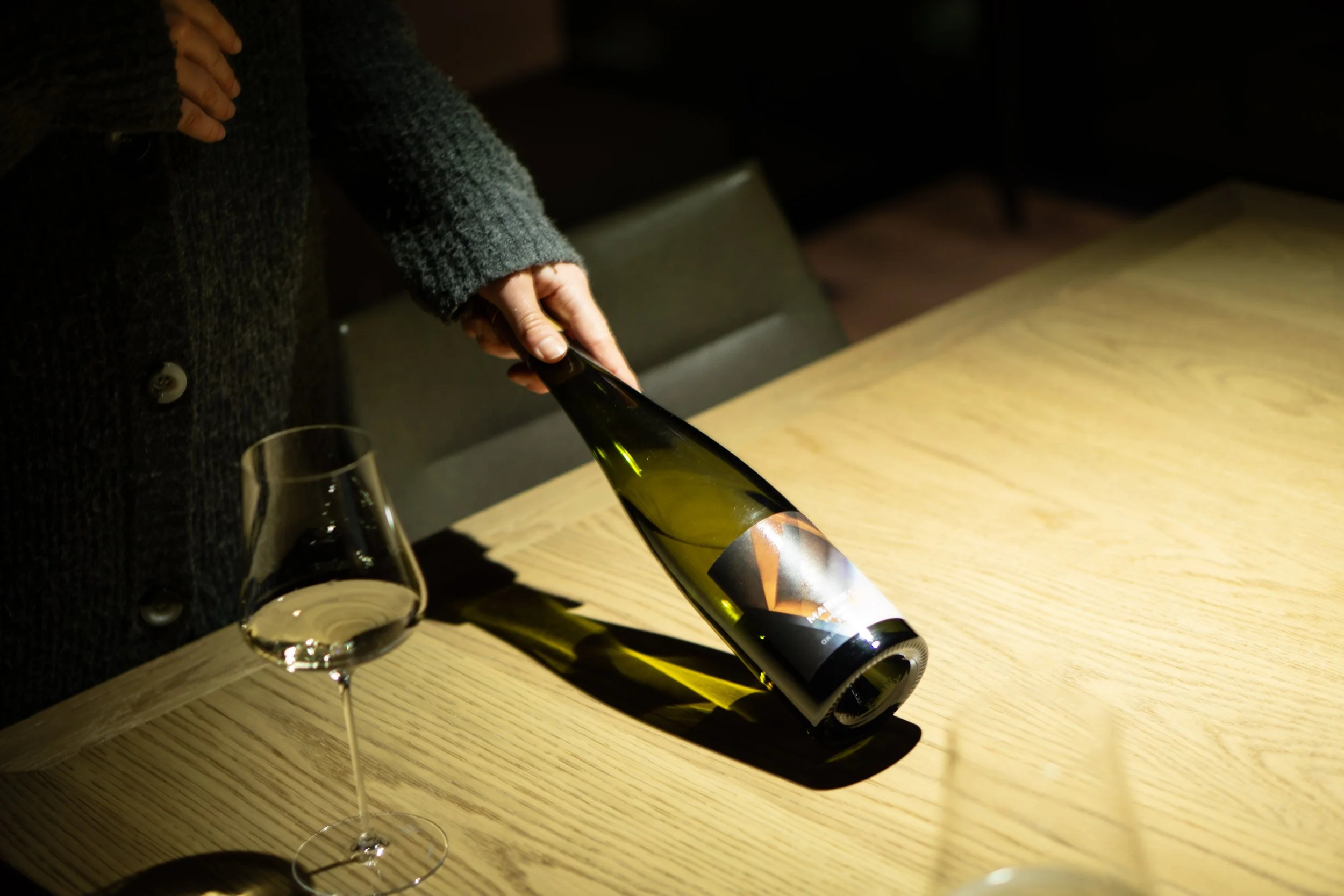
Martin’s Lane does two things only:
Riesling
Pinot Noir
The Riesling is Germanic in spirit — residual handled with precision and confidence.
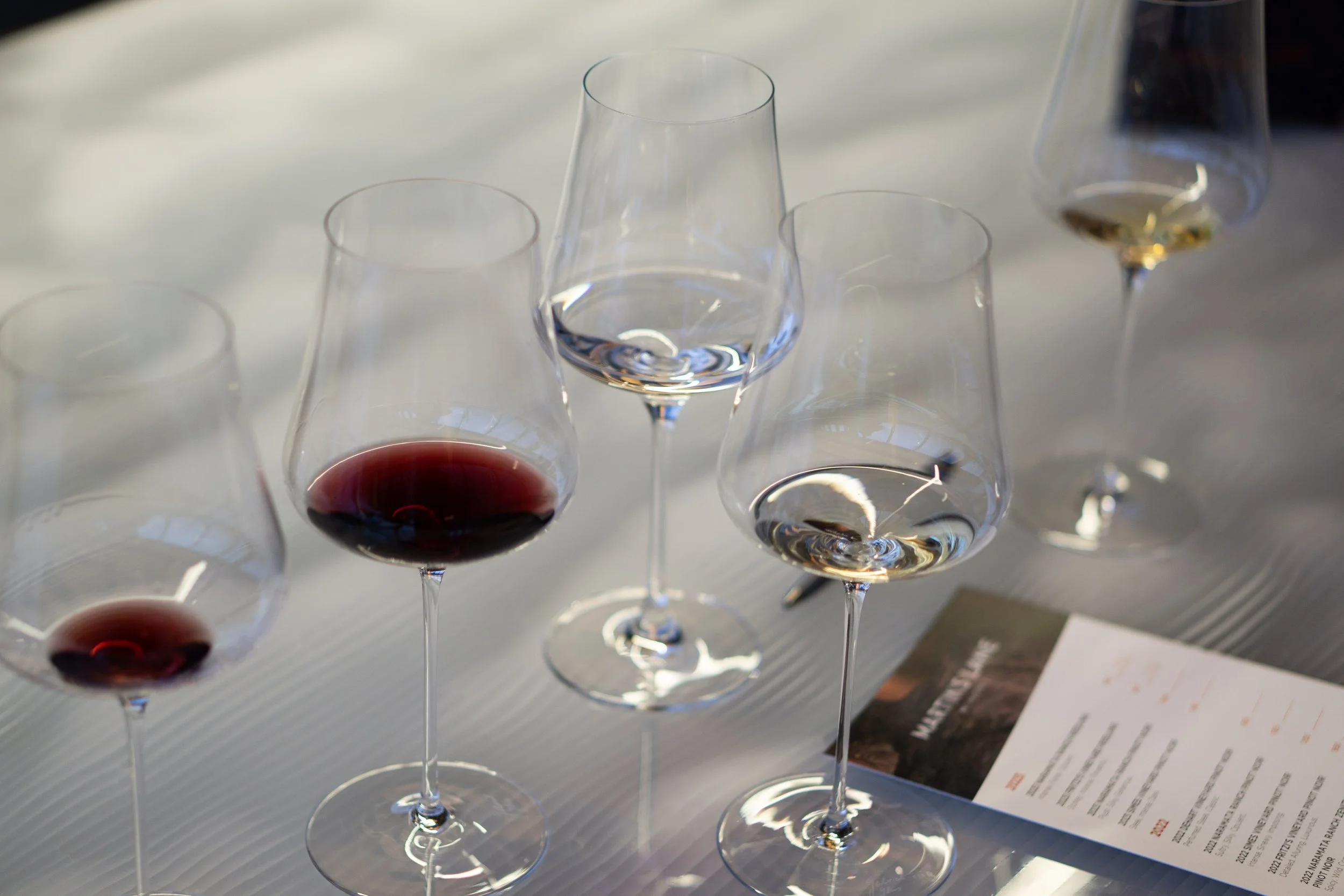
The 2022 Pinot Noirs were exceptional. Silk without fragility. Structure without aggression. Many bottles marked allocated. Waiting lists are real.
We meet the winemaker, Shane — a New Zealander, as is the viticulturist. His background includes Millton Vineyards and Esk Valley. I’d spent time in NZ, and Hawkes Bay in particular — so the shorthand was immediate.
The cultural compatibility makes sense.
To think the same company produces White Claw and super-premium, allocated Pinot Noir is a reminder: scale doesn’t preclude precision.
Martin’s Lane Winery
Mt. Boucherie: Range and Restraint
We circle back to Mt. Boucherie Estate Winery, where Cass works as assistant winemaker.
If Martin’s Lane is hyper-focused precision, Mt. Boucherie is range — and range executed with control.
The lineup spanned Riesling, Chardonnay, Pinot Noir, Bordeaux-style blends — all handled with restraint. But the wine that genuinely caught me off guard was the Syrah.
It had tension. Structure. Lift. Not overripe. Not pushed. There was a Rhône sensibility to it — pepper, savoury edges, clean fruit — but still clearly Okanagan in its line and acidity.
Syrah in the Okanagan makes sense geographically. The southern valley has the heat units. The diurnal swing preserves acidity. The glacial soils provide drainage and stress. But execution is everything. This one felt dialed.
There’s quiet confidence here. No over-extraction. No need to prove anything. Just controlled farming and thoughtful cellar work.
Dinner at The Modest Butcher
Dinner at The Modest Butcher closed the day.
Bone marrow. Duck. Structured reds. Crisp whites.
The Syrah showed beautifully at the table — which is always the real test.
The restaurant is serious without being stiff. Service sharp. Pairings thoughtful. The kind of place that reinforces the winery’s identity rather than competing with it.
If you’re visiting the Okanagan, this stop makes sense.
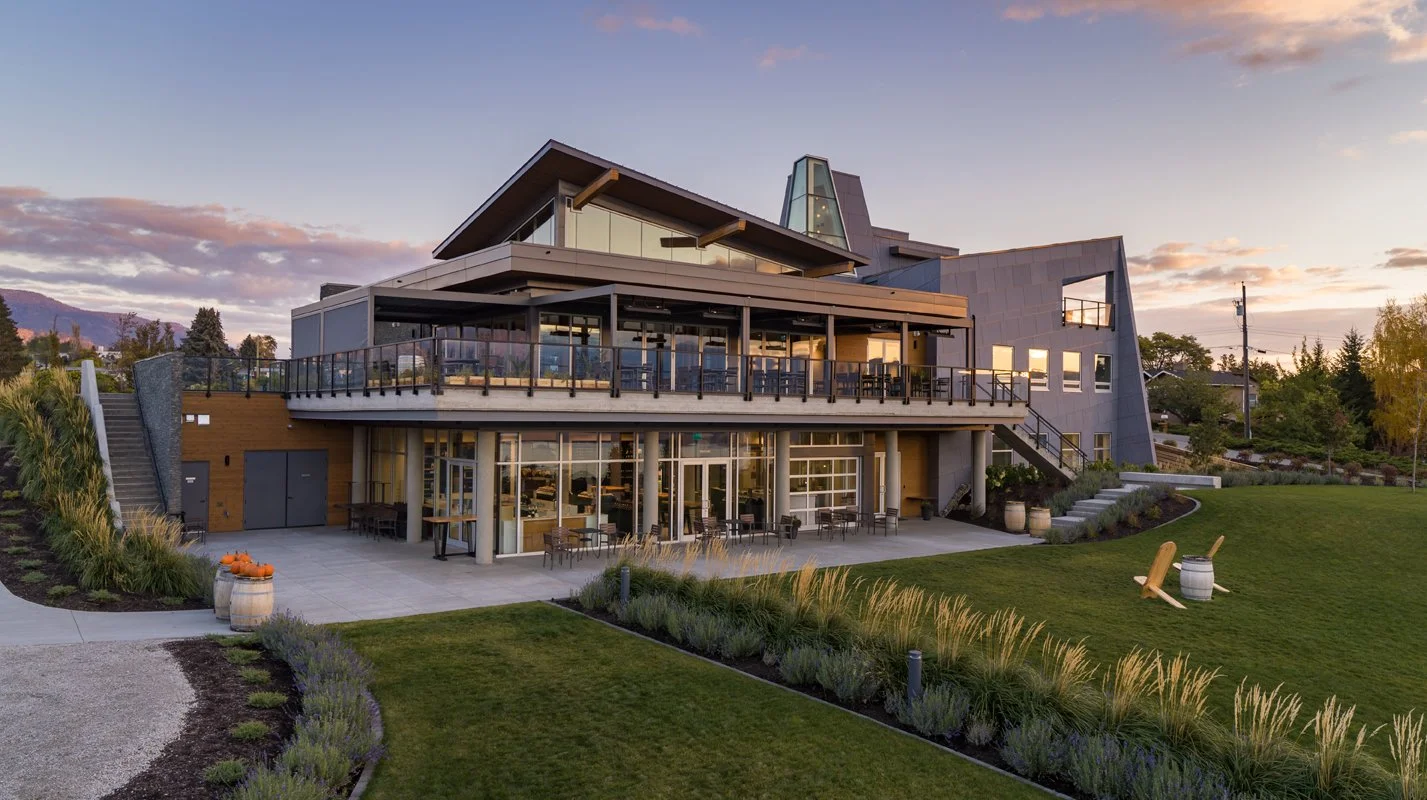
Mt. Boucherie below. The Modest Butcher upstairs. Wine first, dinner after. Image courtesy of Tourism Kelowna.
Final Stop: CedarCreek
A tasting, followed by dinner at Cedar Creek Estate Winery closed the trip. Different site, different winemaker, different voice — but equally compelling.
The restaurant is outstanding. Thoughtful food, confident pairings, and wines that speak clearly of place.
Highly recommended.
Final Thoughts
The Okanagan Valley is not easy.
Frost. Fire. Water scarcity. Extreme seasonal shifts.
But those pressures have produced something rare: a region that hasn’t settled into complacency. It’s still arguing with itself — about varieties, sites, styles, and limits.
If you want the full experience, come in summer. Many tasting rooms shut down or scale back in winter.
But even on a short MLK weekend, one thing is clear:
The Okanagan Valley is one of the most diverse and intentional wine regions in North America — and it’s only just getting started.
