Latvia: Fruit Wine, Stoicism, and a Surprising Culinary Heart
Latvia wasn’t on my winemaking map — and that was the point.

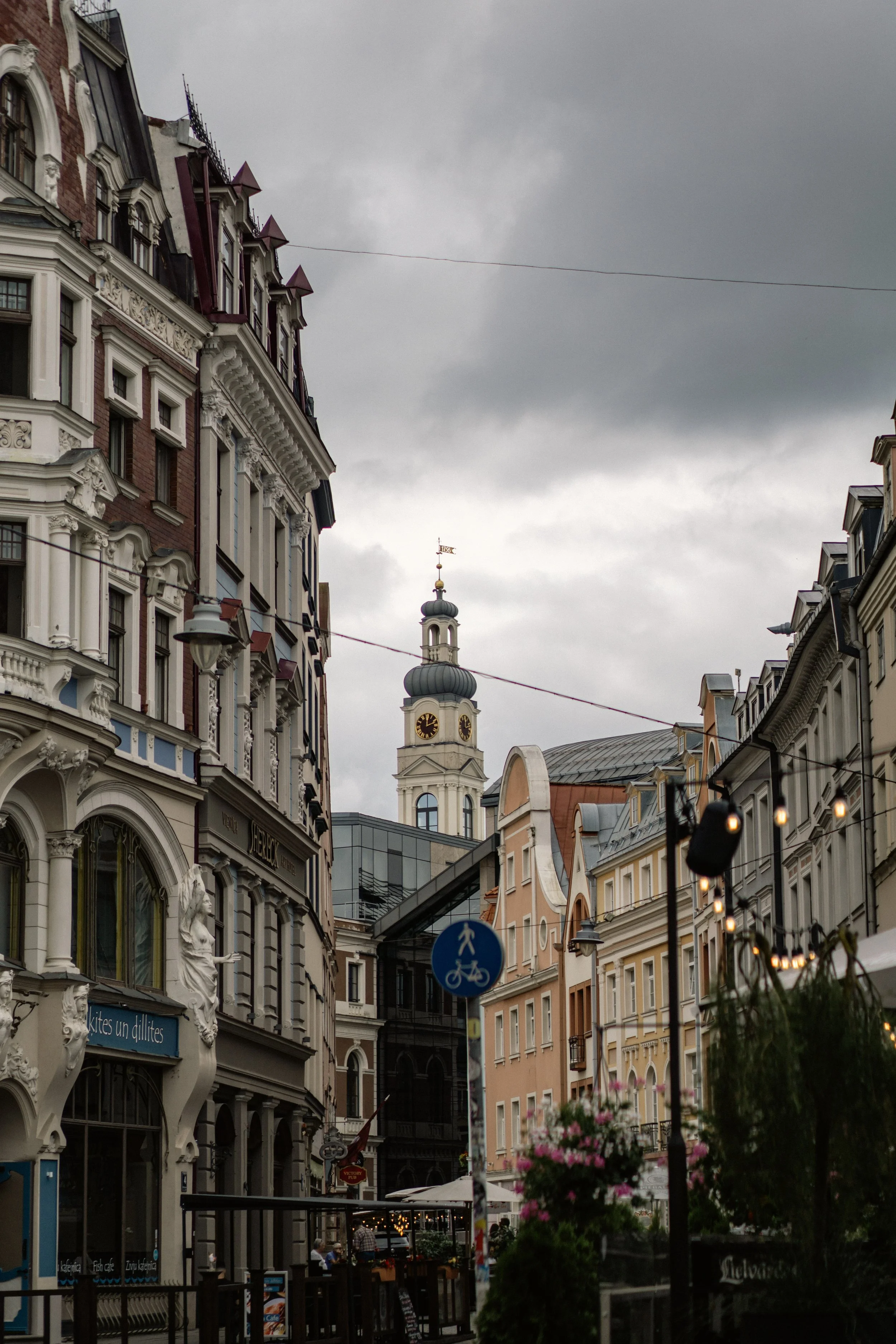
I had heard the stereotypes: a cold Baltic country with a stoic personality, a complicated history, and a climate far too unforgiving for vinifera. But a few days on the ground made it clear that Latvia carries a quiet confidence — warmth tucked beneath reserve, generosity beneath understatement.
And yes, they make wine. Just… not the kind we expect.
There was also a more personal pull: my wife’s family originated here. Her grandfather left Latvia after World War II and eventually immigrated to America, carrying with him a handful of stories but not much detail. So this trip wasn’t just curiosity — it was a way to trace those threads back to the source, to place real land and people behind the fragments she’d heard growing up.
A Brief History of Latvia (Trimmed to What Actually Shapes the Place Today)
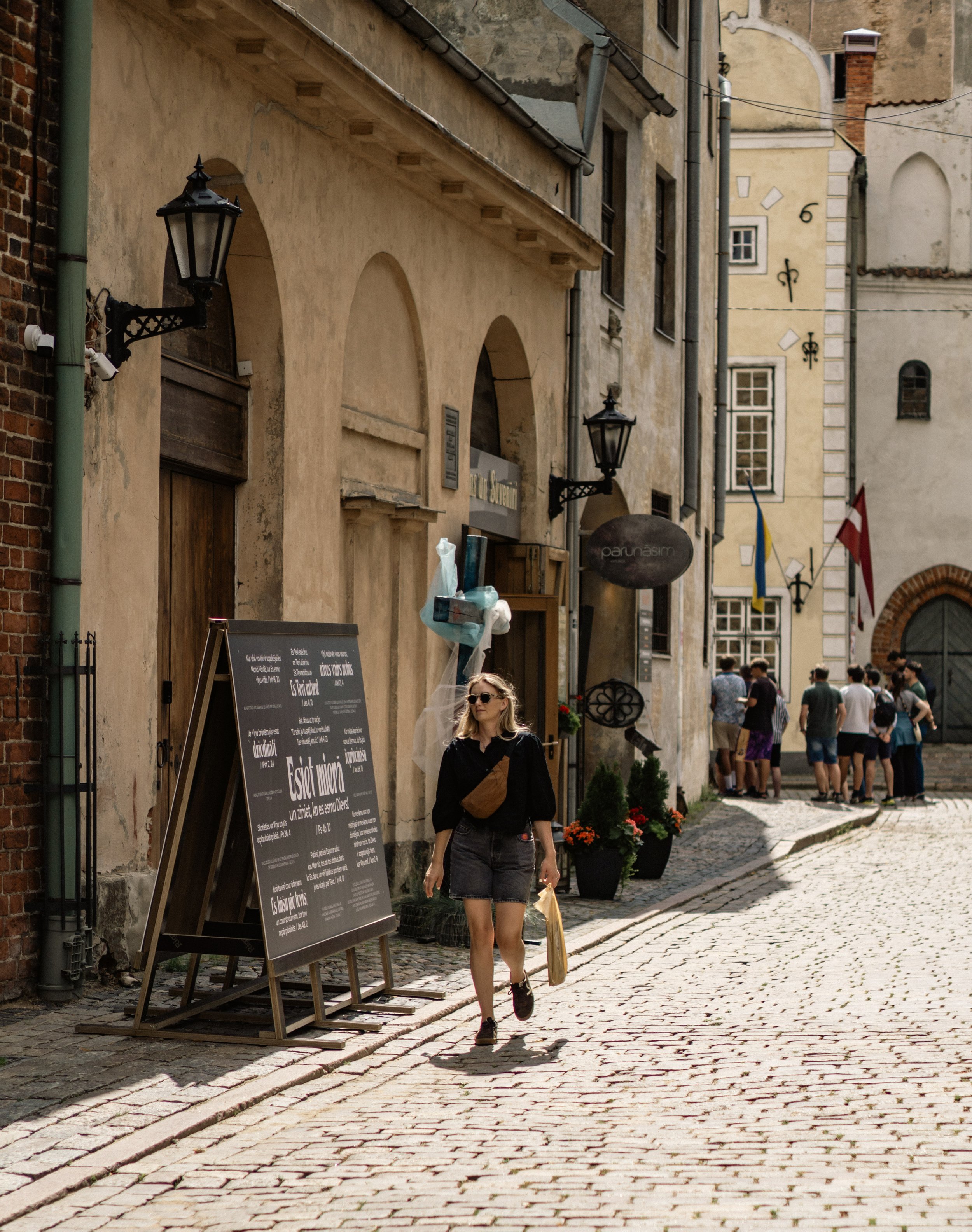

Latvia’s story is one of geography: a small nation pressed between the Baltic Sea and centuries of occupations — German, Polish-Lithuanian, Swedish, Russian, Soviet. Each era left marks on language, architecture, religion, and temperament.
You feel it in the streets:
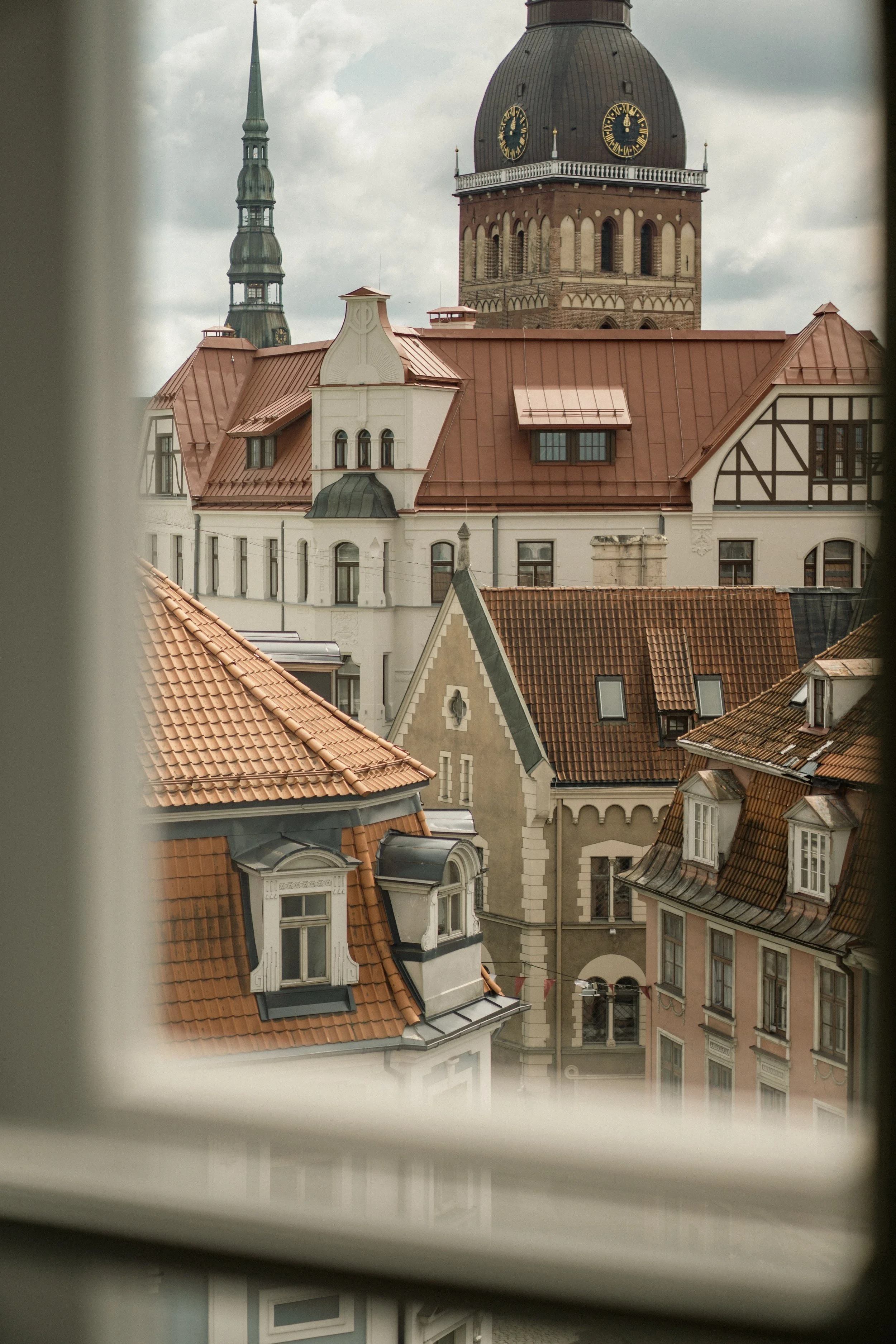
Gothic spires from the Hanseatic days
Art Nouveau façades from the wealthy early 1900s
Soviet blocks hugging the outskirts
A fresh burst of modern, design-forward cafés and restaurants run by a new generation
But underneath the shifts, Latvians have kept a defining trait: endurance. They don’t oversell, don’t boast, don’t perform. Their warmth comes slowly, then fully.
Once you get past the first layer, the people are funny, incredibly welcoming, and proud of their land in a grounded, non-touristic way.
Fruit Wine: A Climate-Driven Necessity, Not a Novelty
Latvia doesn’t have the heat units for Cabernet or Chardonnay. Instead, they’ve developed a culture of fruit wines — not as gimmicks, but as legitimate regional expressions. Rhubarb dominates, followed by currant, apple, quince, and hybrids like Sabel.
One producer stood out during our visit:
ABAVAS Winery – Sabile Wine Region (57°N)
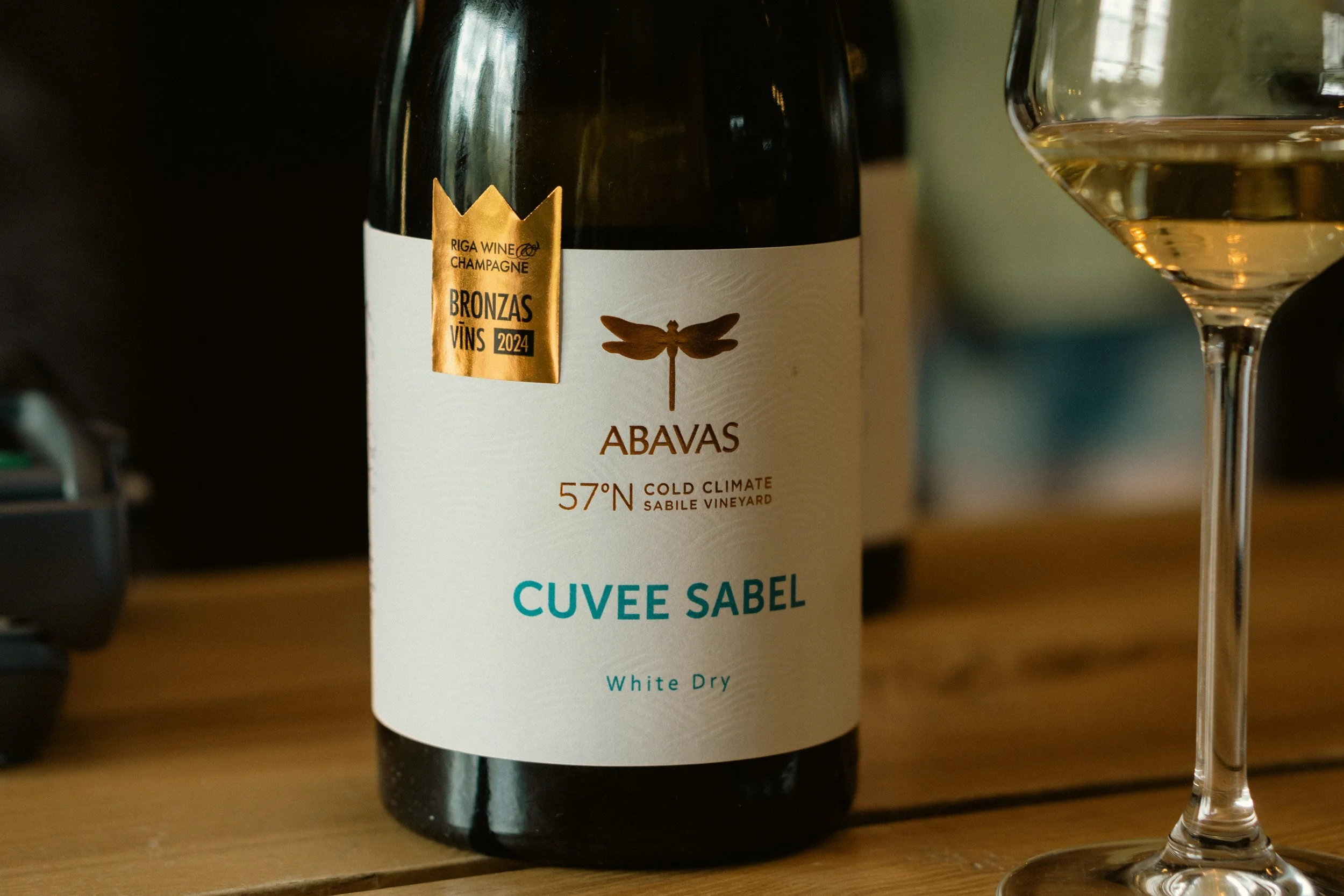
The wines from ABAVAS are precise, clean, and intentional — structured even. The Cuvée Sabel White Dry we tasted had this cool-climate snap: orchard fruit, citrus pith, a gentle phenolic grip, and a surprising mineral line. Nothing sugary. Nothing rustic. Just thoughtful winemaking adapted to latitude.
Fruit wine here isn’t compensating for the climate — it’s embracing it.
A Second Latvian Classic: Flavoured Beer
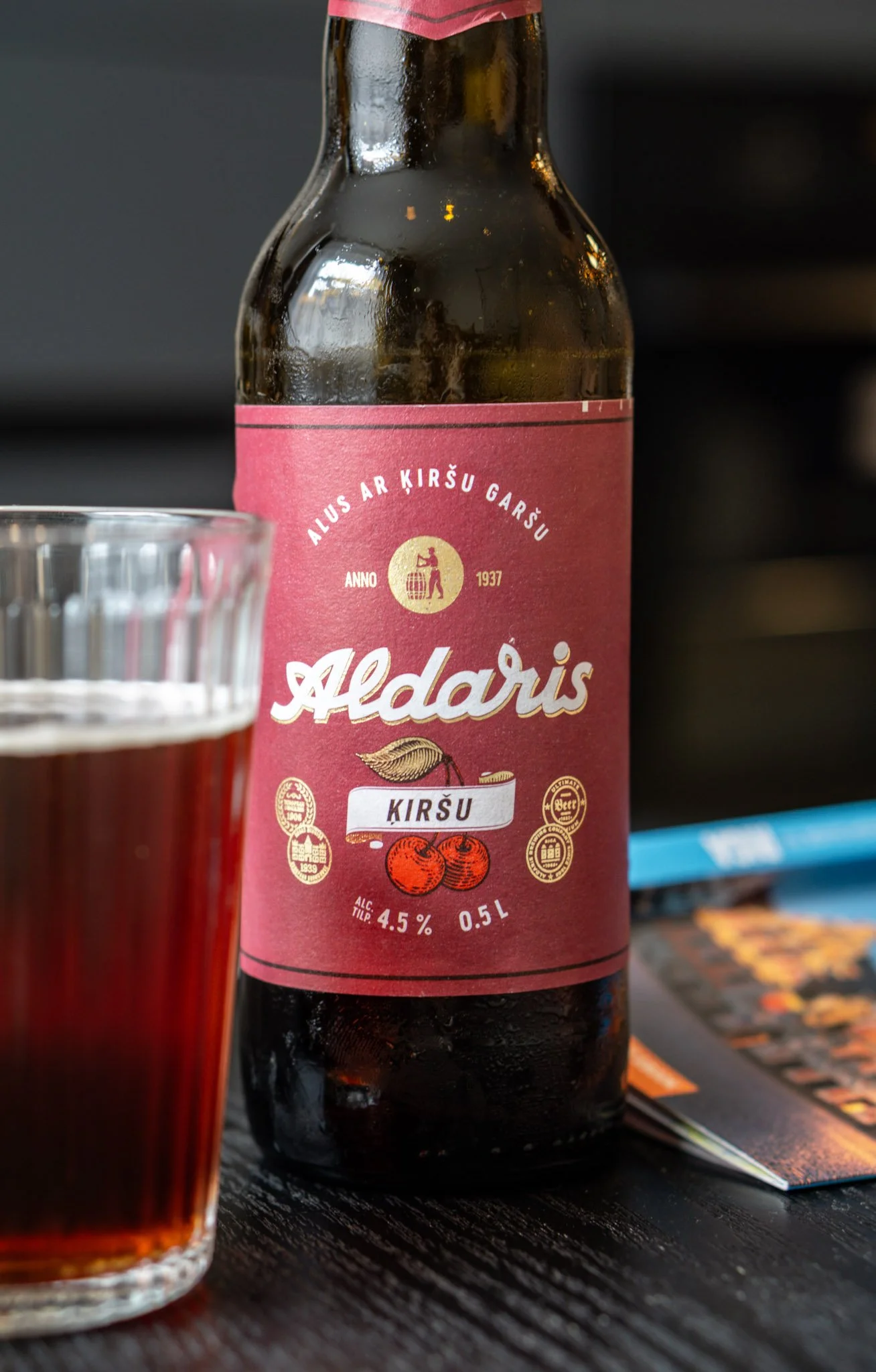
Latvia’s brewing culture runs deep, and Aldaris is one of the names you see everywhere.
Their Kiršu (cherry-infused beer) is a good snapshot of Latvian flavour preferences: subtle sweetness, refreshing acidity, and a nod to old-world brewing traditions.
It’s the kind of drink you imagine someone cracking open after a long winter — fruit as brightness, not novelty.
Riga: A Foodie City Hiding in Plain Sight
Before visiting, I didn’t think “culinary capital.” But Riga is quietly one of Europe’s great food cities.
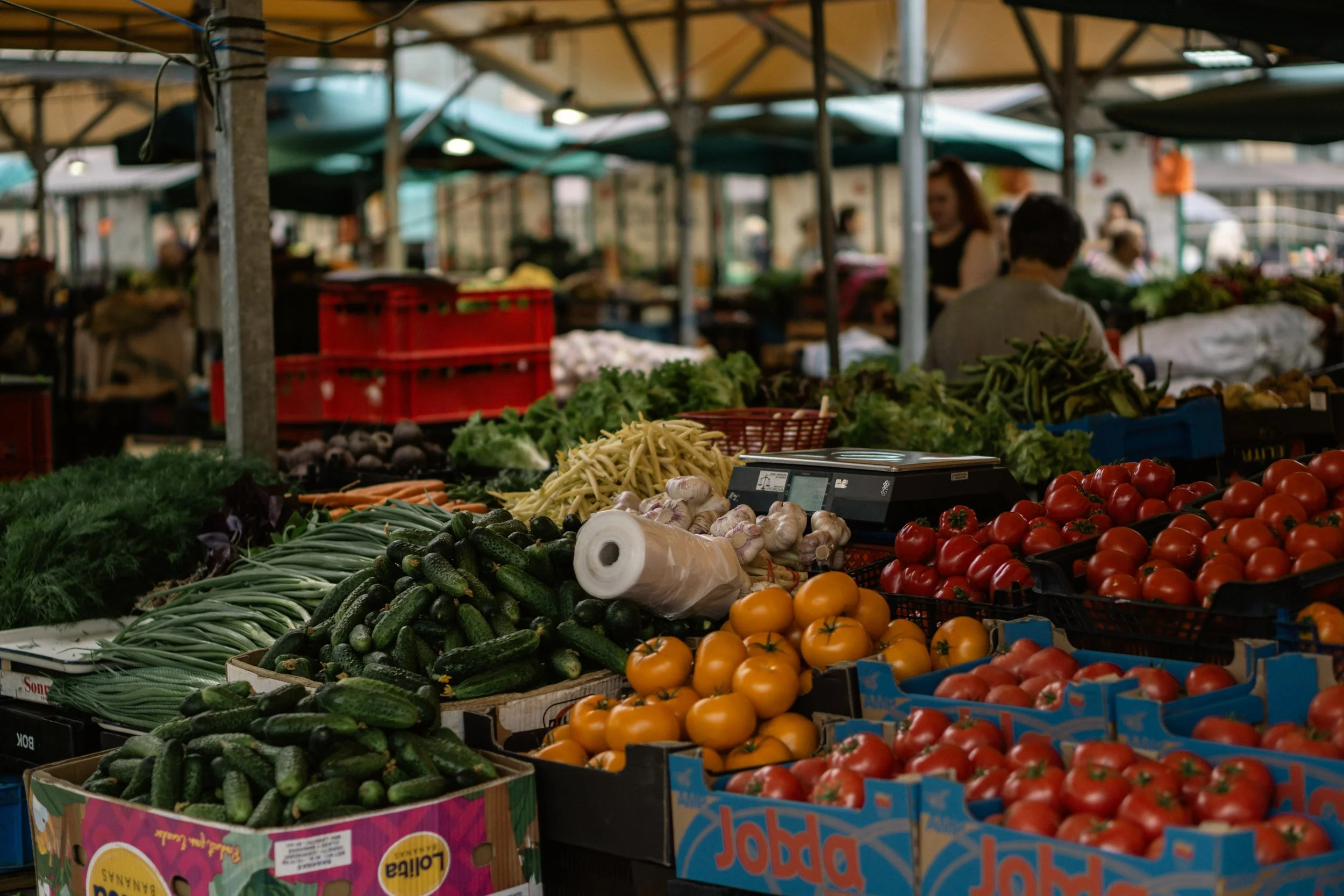
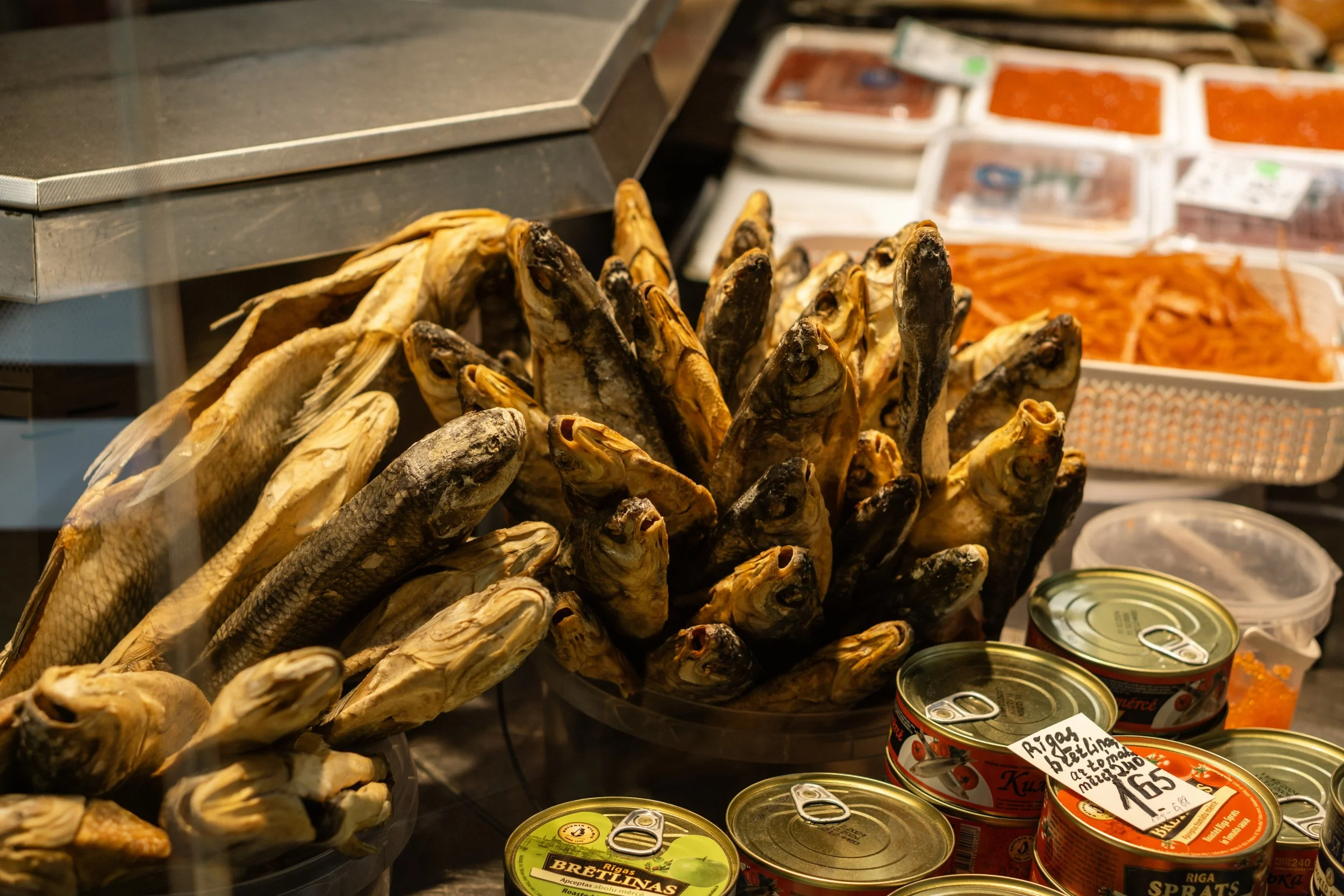
Why it works:
Baltic seafood meets Slavic heartiness
Scandinavian minimalism in plating, but not in flavour
A younger generation trained in Copenhagen, Stockholm, and Berlin returning home
Markets full of produce that shouldn’t be this good at this latitude
Top Michelin-Recognised Restaurants in Riga
Latvia received its first Michelin Guide in recent years, and Riga’s scene is honestly punching above its weight:
One Michelin Star
Max Cekot Kitchen – tasting menus built entirely from Latvian ingredients, served in a converted warehouse
Michelin-Recommended / Bib Gourmand
Entresol – modern Latvian cuisine
Ferma – Latvian ingredients with open-fire cooking
Barents – seafood-focused, Nordic-Baltic precision
Milda – modern Latvian dishes with traditional roots
Riga feels like discovering a culinary movement in real time — chefs leaning hard into seasonality and Baltic produce, serving thoughtful, technique-forward dishes without the usual gloss or the usual cost.
The Monument That Defines Latvia’s Spirit
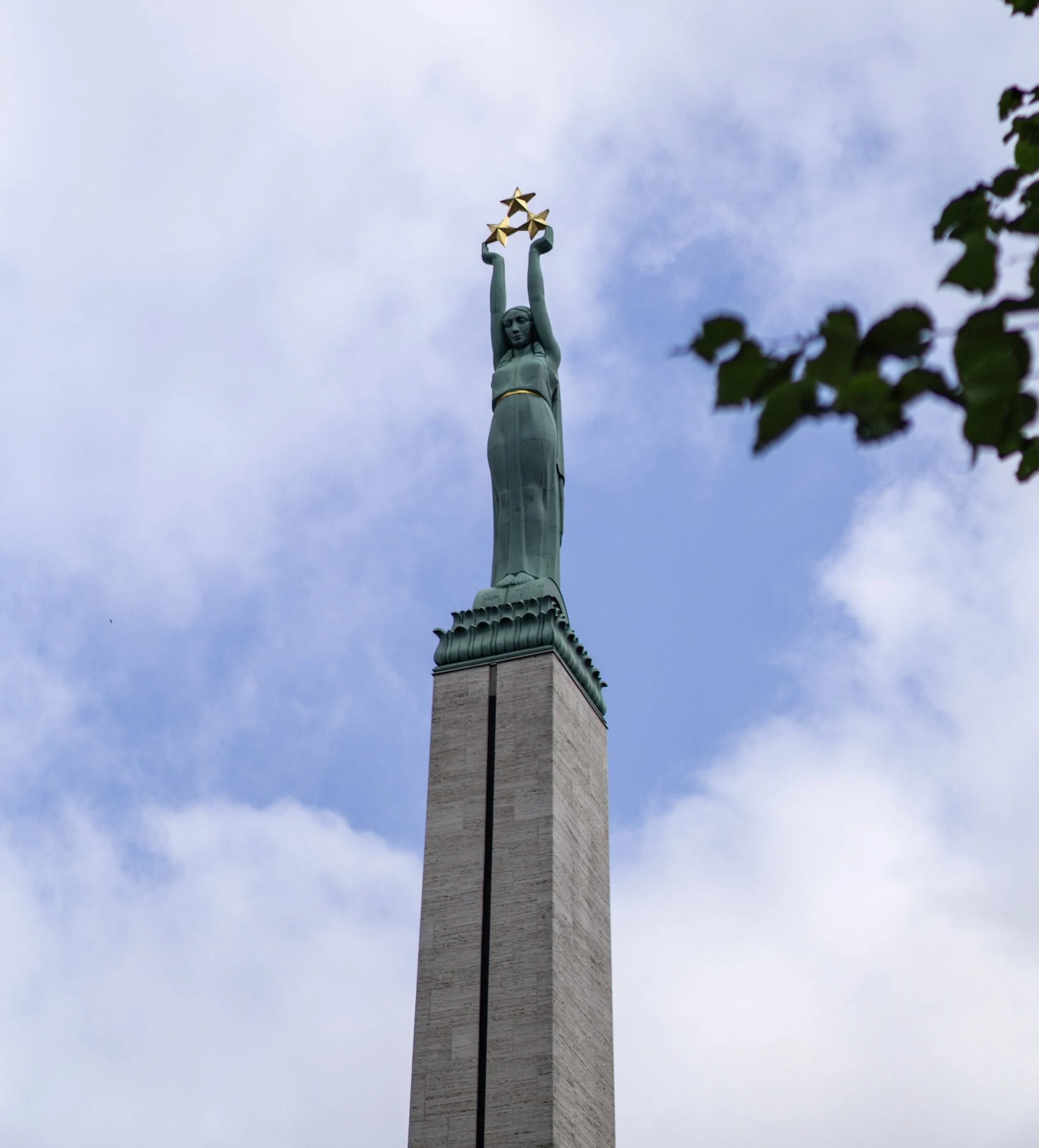
The Freedom Monument - Riga, Latvia
You’ll see it instantly: The Freedom Monument — a statue that honours Latvia’s independence and the sacrifices made to keep it.
Soldiers stand guard in a quiet, disciplined way that says more than any plaque could. It’s one of those places where you feel history pressing into the present.
Markets, People, and the Pulse of Riga
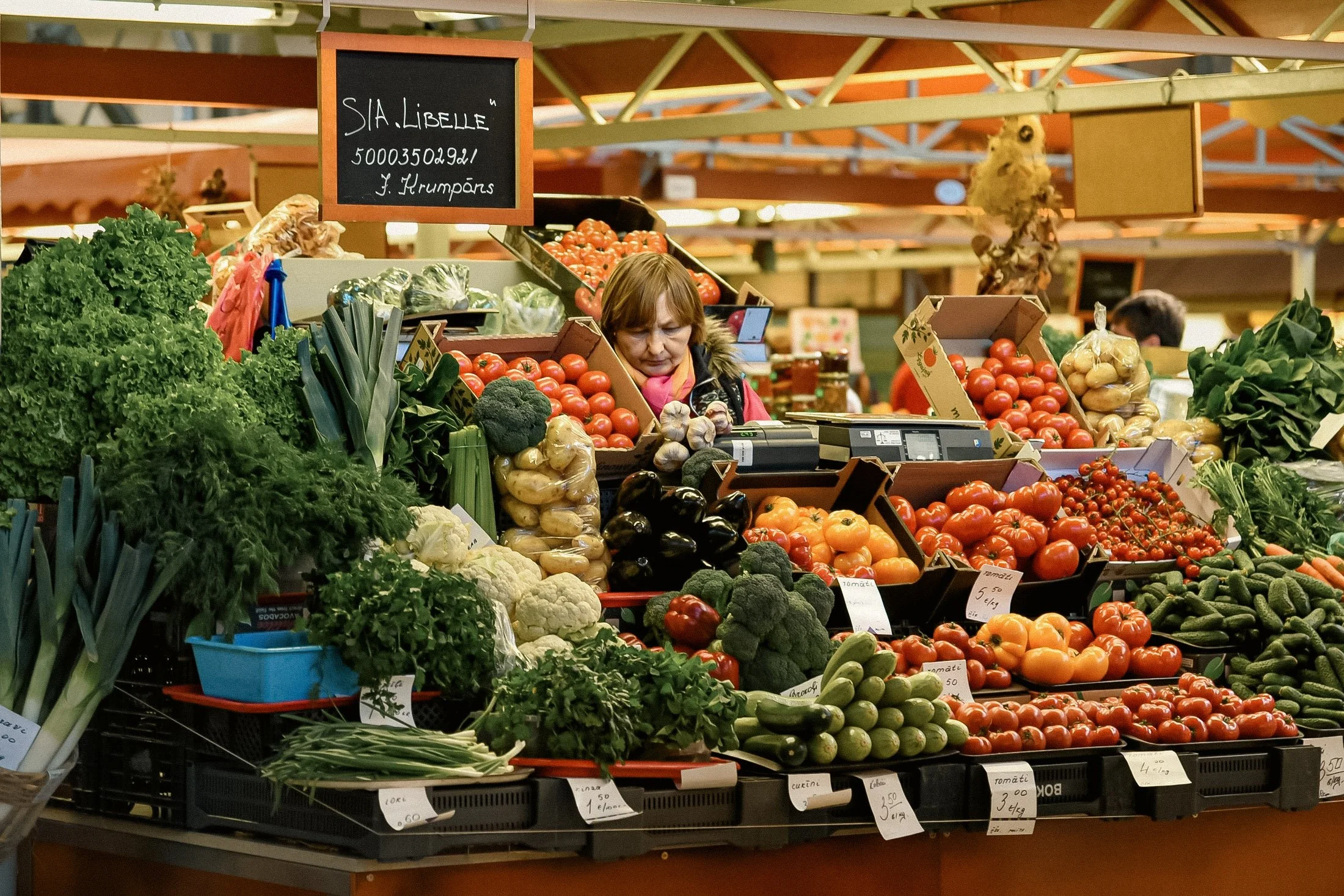
The Riga Central Market, housed in old Zeppelin hangars, is one of Europe’s largest. Fish, berries, smoked meats, breads, cheeses, pickles, honey, and produce piled in colours that shouldn’t exist in a northern winter.
It’s where you really meet the Latvian character: polite until you ask a question, warm once you’ve crossed the line, generous once you’re in.
The people carry the same quality as their wines: cool-toned at first… then surprisingly bright.
What Latvia Taught Me About Wine and People
Latvia might not have Cabernet vineyards rolling over hillsides, but the country understands resilience, adaptation, and flavour — all the things winemakers care about.
Fruit wine here isn’t a novelty.
The food isn’t an afterthought.
And the people aren’t cold — just cautious until you earn their warmth.
If you’re a traveler, a winemaker, or someone who appreciates regions shaped by climate and history, Latvia sinks in quietly and stays with you.
