The Wine Industry Meets Artificial Intelligence
The wine industry has always moved slowly.
Tradition matters here. Farming, weather, patience, instinct. A vineyard doesn’t respond well to urgency, and neither does fermentation. For centuries, wine has been guided by observation, experience, and a fair amount of intuition.
But artificial intelligence is beginning to creep into the edges of the industry.
Quietly at first.
And whether we like it or not, it’s about to change things in ways many people aren’t ready for.
Not just in marketing. Not just in logistics.
In decision making.
The Romantic Side of Wine
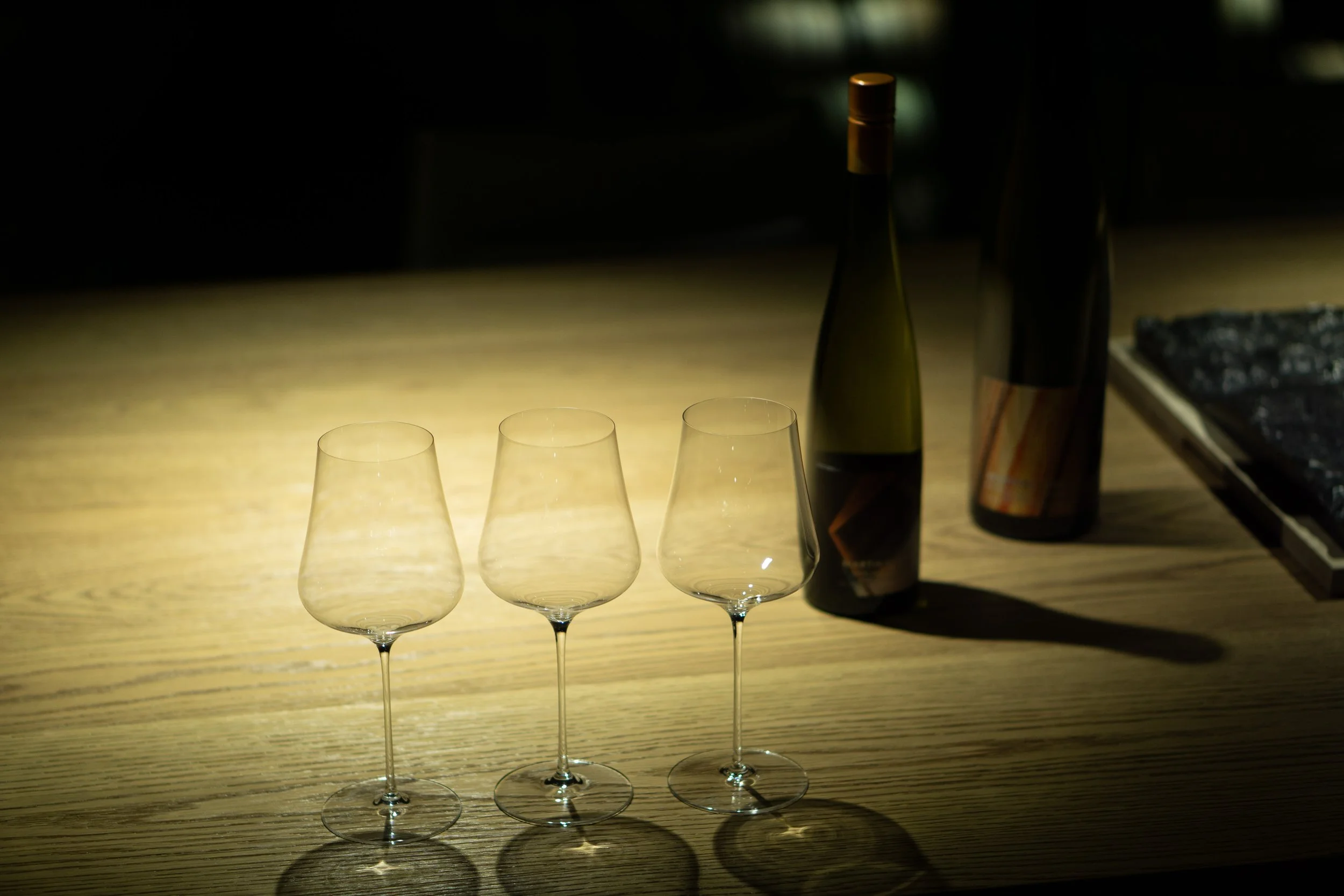
Photo: Barry Timmins
Wine has always sold a story.
The farmer walking the vineyard at sunrise.
The winemaker tasting barrels in a dim cellar.
Generations of knowledge passed down quietly.
There’s something beautiful about that image.
And people in the wine industry often protect it fiercely.
But let’s be honest about something: most wineries today are businesses first and romantic ideals second. Payroll, inventory, shipping costs, compliance, vineyard inputs, marketing spend - the list never ends.
The romance exists.
But it sits on top of spreadsheets.
AI is about to get very good at reading those spreadsheets.
The Consultant vs The Machine
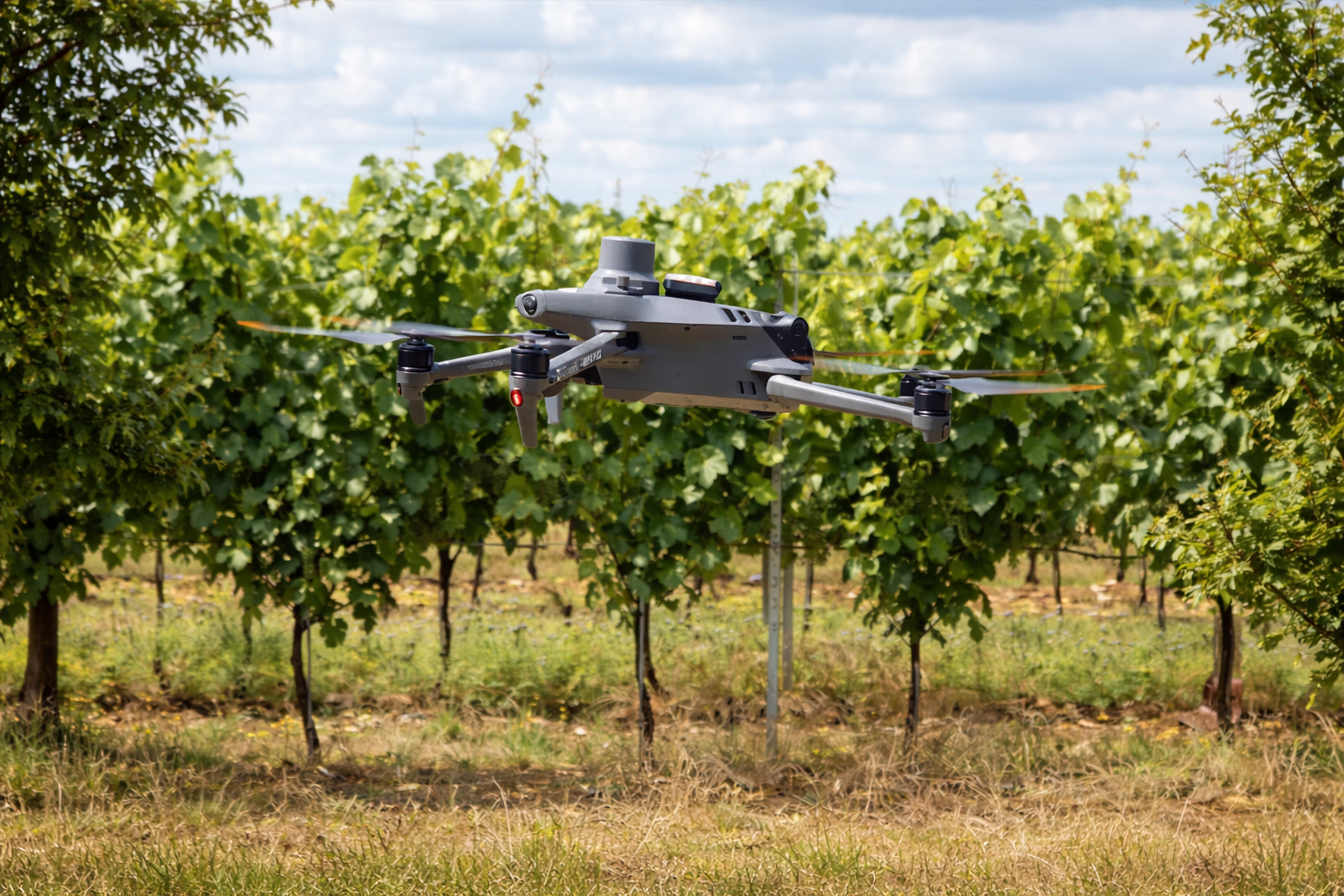
AI created image.
For decades, wineries have relied on consultants.
Viticulture consultants.
Winemaking consultants.
Marketing consultants.
These people build careers on experience - years of trials, observation, and accumulated knowledge.
But imagine something else.
A system that has instant access to:
thousands of research papers on fermentation and viticulture
decades of weather data
soil data and vineyard performance records
global production statistics
historical market trends
pricing data across regions and varietals
…and it can analyze all of it in seconds.
Not weeks.
Not months.
Seconds.
This doesn’t necessarily eliminate consultants.
But it changes the equation dramatically.
If someone can ask a machine:
“Based on climate, soil type, elevation and historical weather patterns, what rootstock and clone combinations perform best here?”
…the answer may arrive instantly - backed by more data than any individual consultant could realistically carry in their head.
The wine industry has always relied heavily on experience.
AI introduces something else: scale of knowledge.
Sales and Marketing: The Immediate Impact
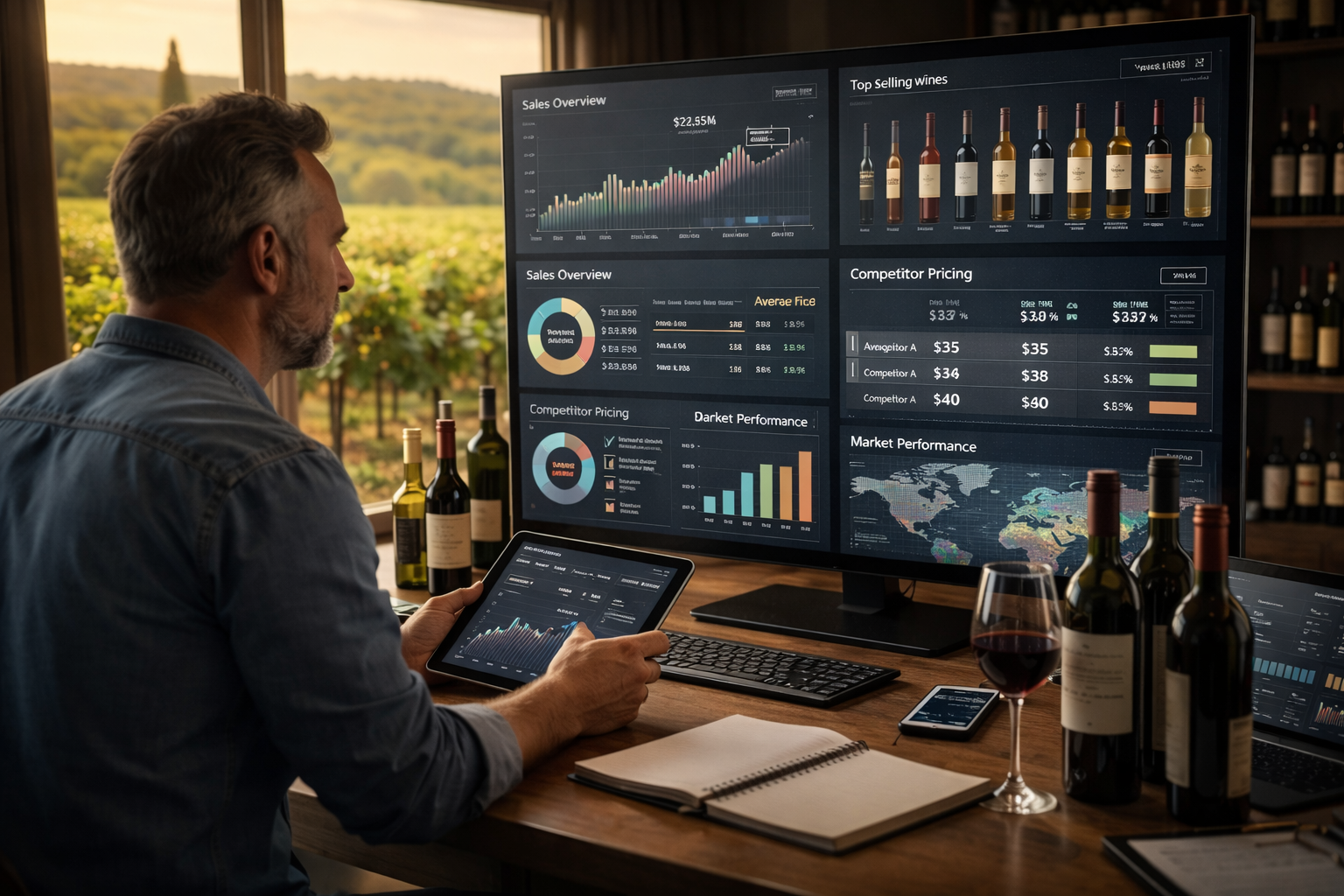
AI created image.
If there’s one area where AI will immediately change the wine industry, it’s sales and marketing.
Imagine feeding a system:
your full sales history
your distributor performance
your direct-to-consumer data
competitor pricing
competitor brand positioning
restaurant placements
social media engagement metrics
Then asking:
“Where is our pricing wrong?”
“Which SKU is underperforming?”
“Which market should we focus on next?”
The machine doesn’t care about ego.
It doesn’t care about the story you want to tell.
It simply analyzes patterns.
And it will likely identify inefficiencies most businesses never notice.
The Personality Divide
AI tends to divide people into two camps.
Camp One:
People who see it as a threat.
They worry about job displacement, loss of creativity, and the erosion of traditional skills.
Camp Two:
People who see it as a tool.
They welcome the efficiency and the ability to make faster, more informed decisions.
Interestingly, this divide often has less to do with technology and more to do with personality.
Some people are comfortable with rapid change.
Others prefer continuity.
The wine industry historically leans toward the latter.
What AI Cannot Replace
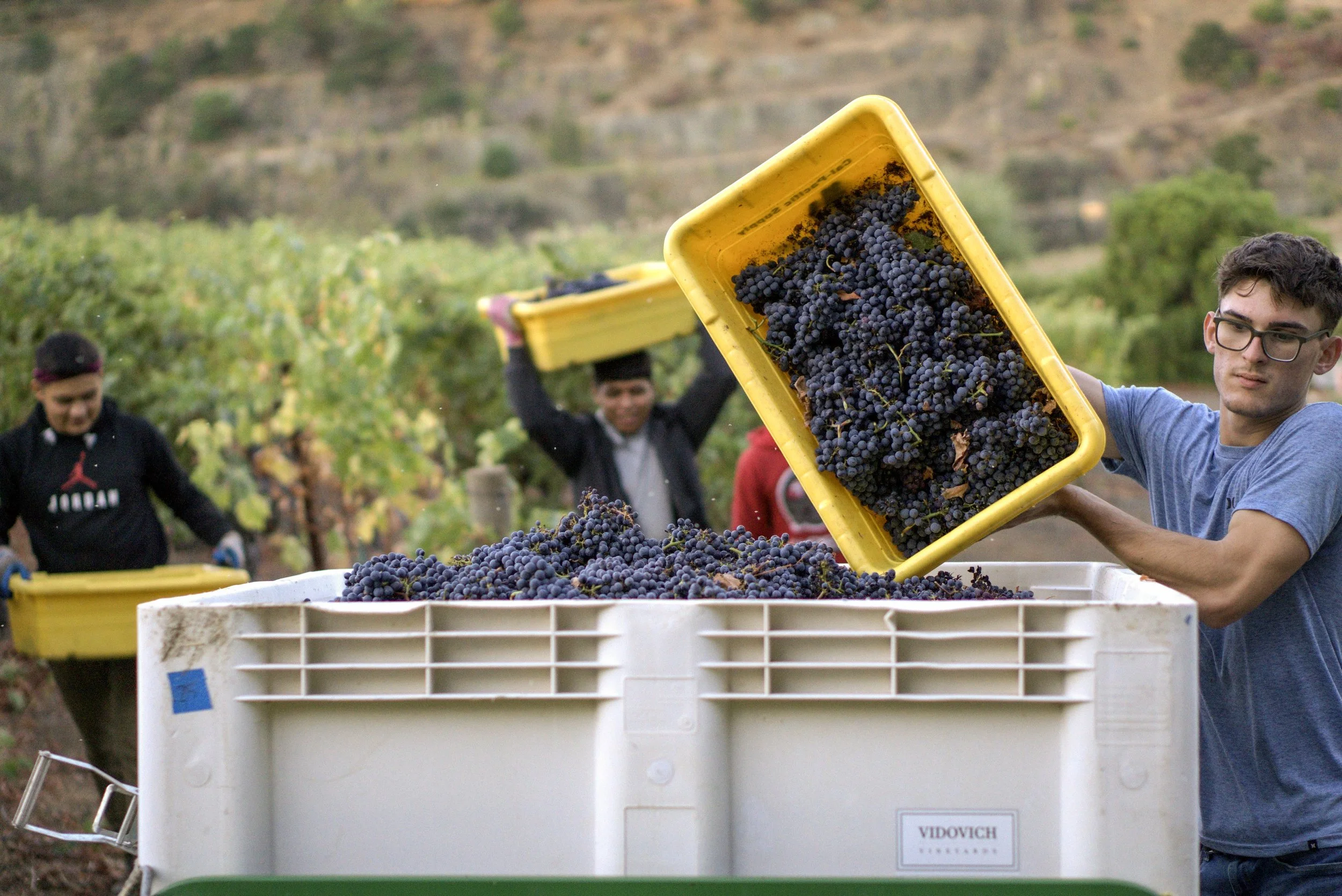
Los Altos Hills, CA
For all its power, AI still has clear limits.
It can’t prune vines.
It can’t drive tractors through steep mountain vineyards.
And it can’t smell Brettanomyces in a barrel.
The wine industry is still, fundamentally, agriculture.
Blue-collar work remains the backbone of the entire system.
The people working vineyards every day - pruning, thinning, harvesting - are not about to be replaced by software.
At least not anytime soon.
When the Industry Struggles
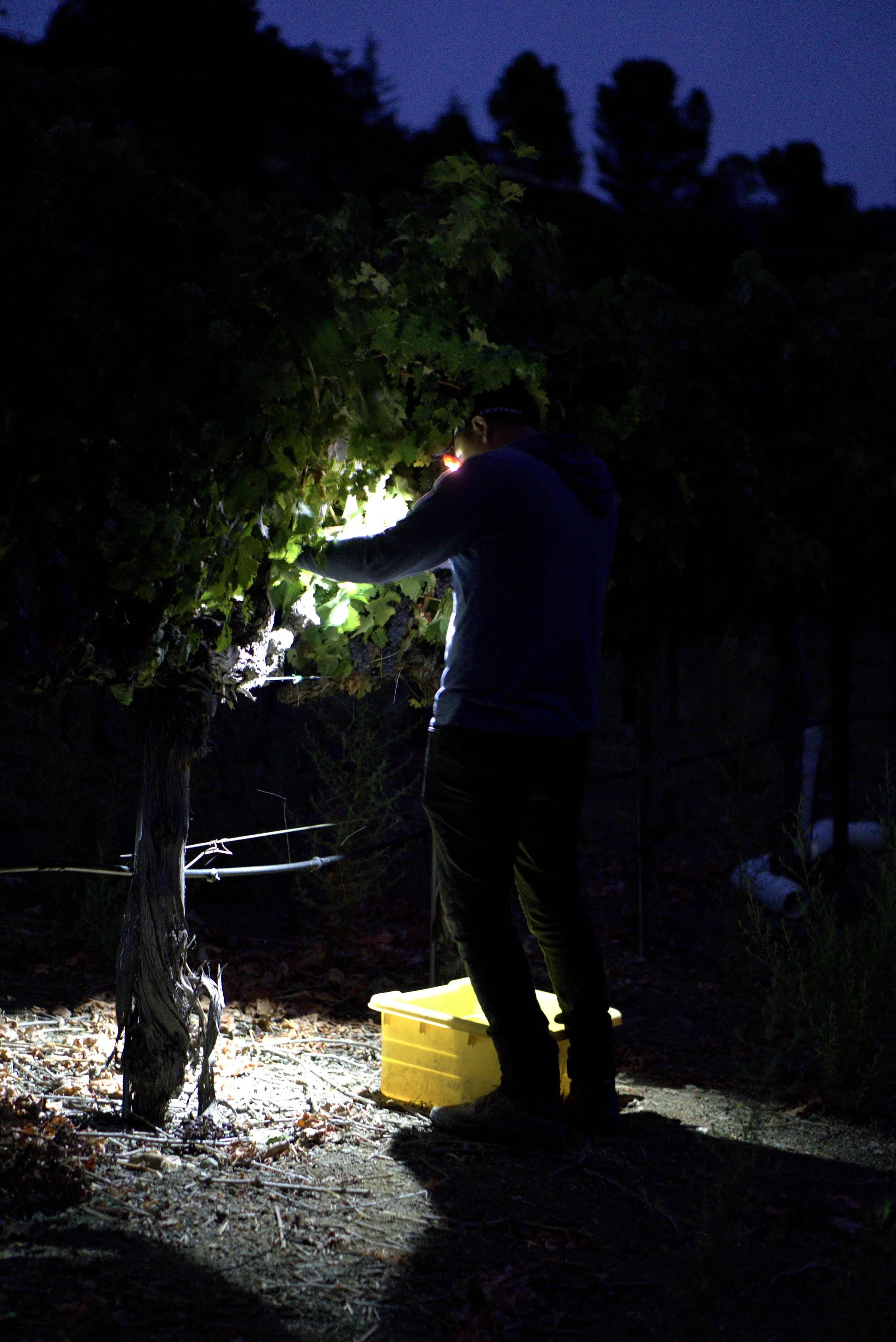
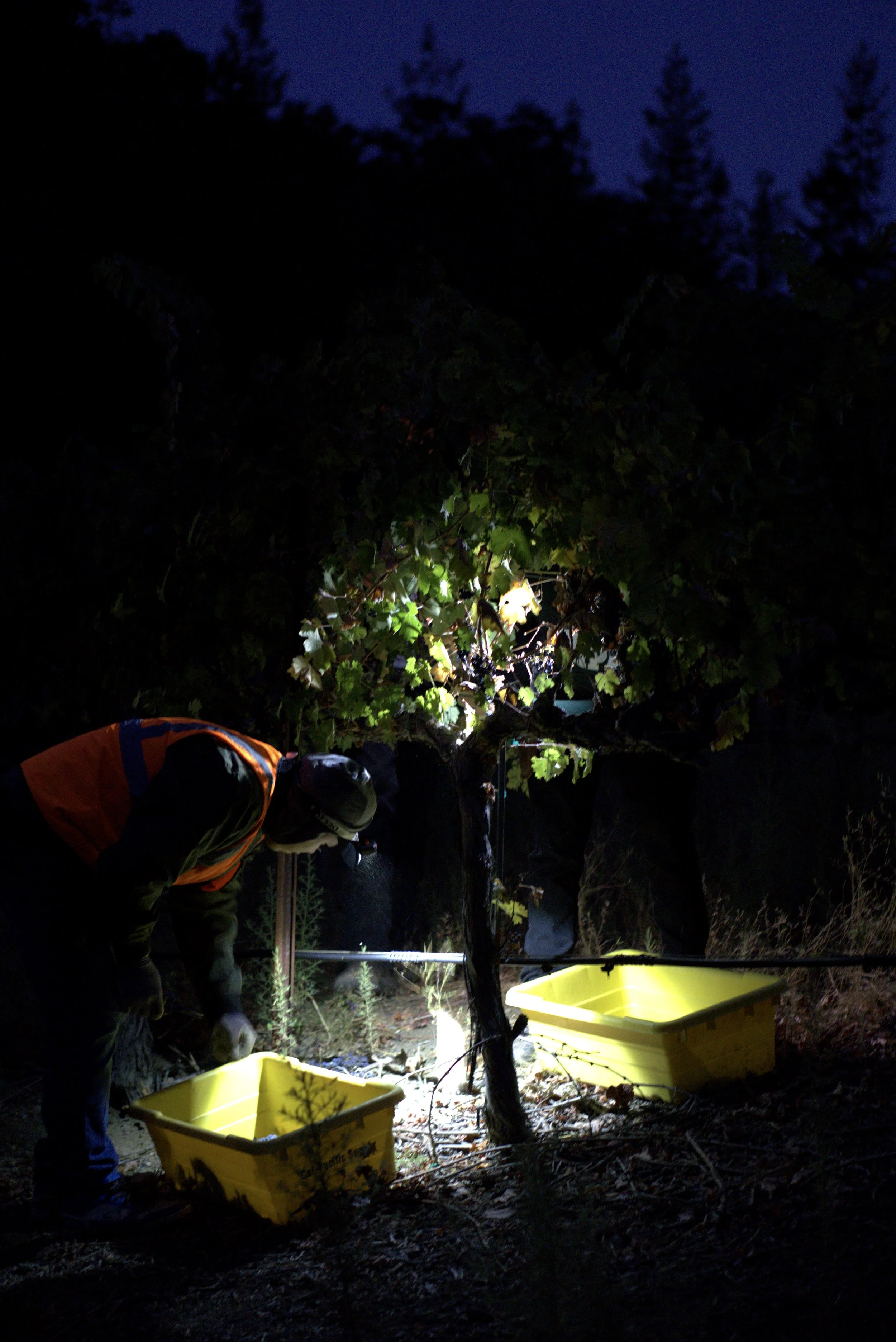
Recently I spoke with a couple of friends in McLaren Vale, South Australia.
The industry there has taken a hit.
Vineyards are being listed for sale.
Producers are downsizing.
Layoffs are happening.
Moments like this force businesses to reassess everything.
And this is exactly the kind of moment where AI becomes powerful.
A vineyard owner could ask:
Should I pull out a block?
Should I graft to another variety?
Should I sell bulk wine instead of bottling?
Should I reduce SKUs?
If the prompt is brutally honest, the machine will give brutally honest answers.
No bias.
No emotional attachment.
Just probability and economics.
The Strange Value of Objectivity
One thing I’ve noticed while experimenting with AI is how often it exposes human bias.
We all carry it.
Our decisions are shaped by emotion, personal experience, ego, tradition, and habit.
Machines don’t have those.
Sometimes the machine tells you something uncomfortable.
Sometimes it tells you something you suspected but didn’t want to admit.
That’s where it gets interesting.
Building Software Without Knowing How to Code
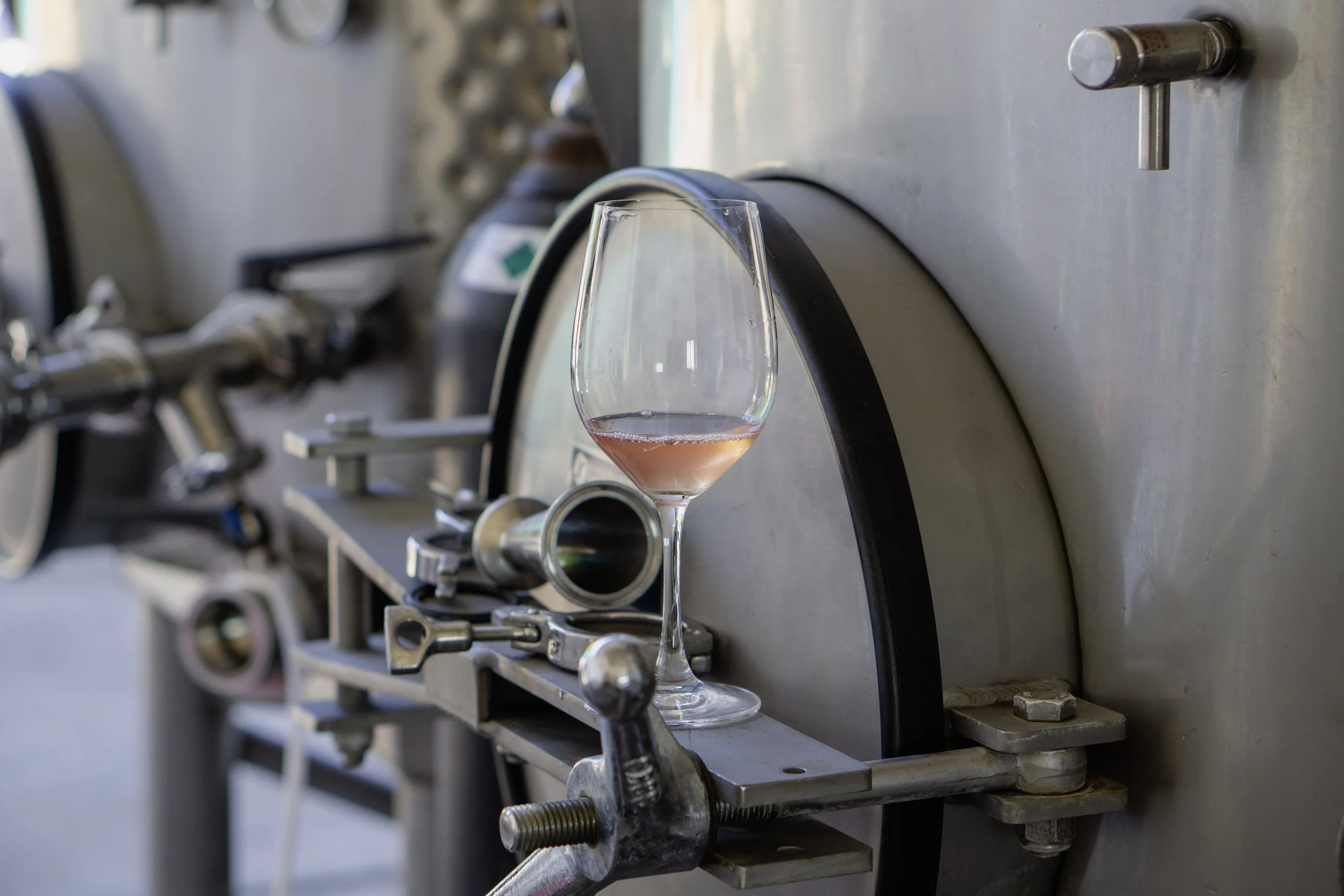
Photo - Barry Timmins
Here’s where things get even stranger.
I’m currently building my own version of a winery management system - something similar to Vintrace - using AI.
It’s probably sitting at about 70% of the functionality I actually need, and it’s improving every week.
The strange part?
I don’t know how to code.
The AI writes the code. I just explain what I want the system to do.
Fermentation tracking.
Lot tracking.
Inventory logic.
Production calculations.
You describe the problem and the machine builds the framework.
Ten years ago this would have required a development team.
Now the barrier isn’t technical skill.
It’s imagination.
The End of Expensive Winery Software?
This raises an interesting question for the industry.
Wineries currently pay for a long list of software subscriptions:
winery management systems
wine club platforms
CRM software
compliance tracking
ecommerce integrations
inventory systems
marketing automation tools
All of these exist because historically wineries couldn’t build them themselves.
But if AI can write software on demand, that assumption starts to break down.
A winery owner could theoretically build their own internal tools tailored exactly to their operation.
No generic software.
No features you don’t use.
No expensive monthly subscriptions.
Just systems designed around the way your winery actually works.
And the AI can maintain and modify it.
A Historical Parallel
When LED light bulbs arrived, everyone was excited.
They used far less power.
Electricity bills would drop.
At least that was the theory.
What happened instead?
Power companies raised prices.
People now have worse indoor lighting and often pay roughly the same monthly bill.
Efficiency doesn’t always mean less work.
Sometimes it simply raises expectations.
AI may follow the same path.
It won’t necessarily make people work less.
It may simply allow businesses to produce more with fewer people.
The Future of Winery Operations
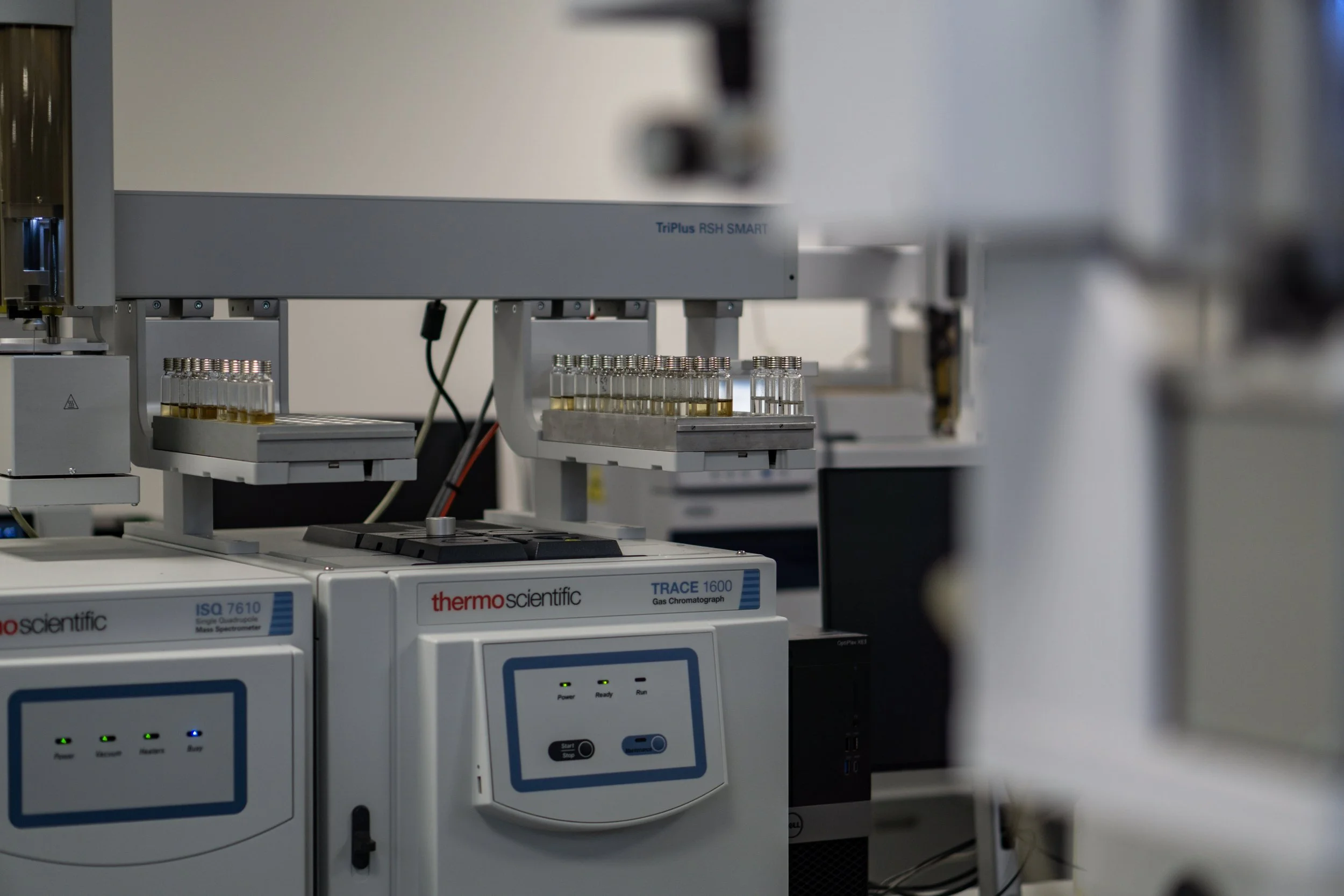
Cork Supply, Portugal
Labor is often the largest cost in wine businesses.
Imagine a winery where:
inventory is tracked automatically
sales forecasts update daily
vineyard irrigation adjusts to weather forecasts
marketing campaigns optimize themselves
financial projections update in real time
In that world, layers of middle management start to disappear.
A winery owner might simply oversee the system.
The AI handles the operational details.
It’s not impossible to imagine.
The Real Question

Martin’s Lane - Okanagan Valley, Canada.
Wine has always been a blend of instinct and observation.
Farmers reading the weather.
Winemakers tasting tanks.
Producers making decisions with incomplete information.
Artificial intelligence introduces something new into that equation.
Not intuition.
Not tradition.
But uncomfortable clarity.
It doesn’t care about how things have always been done.
It simply analyzes the data and offers an answer.
And that can be confronting.
Because sometimes the machine confirms your instincts.
But sometimes it proves you wrong.
The wine industry has survived phylloxera, prohibition, global recessions, and shifting consumer tastes.
It will survive artificial intelligence too.
But the people who thrive will probably be the ones who treat it the same way farmers have always treated new tools:
Not as a replacement for experience.
But as something that makes the work sharper.
And faster.
The vineyard still needs hands.
The cellar still needs judgment.
But the decisions surrounding those places are about to get a lot more informed.
Whether we like it or not.
